
The Ultimate Guide to Bridging Assets Safely in 2026

Executive Summary: Since 2020, over $3 Billion has been stolen from cross-chain bridges. Yet, bridging is essential. This tutorial teaches you the "Triple-Check" method for moving assets safely, recommending specific aggregators and security tools to keep your wallet drained-proof.
1. Introduction: The Bridge Dilemma
You have USDT on Solana. You want to buy an NFT on Ethereum. You must bridge. This moment—where you sign a smart contract to lock your funds—is the most dangerous action in crypto. If the bridge has a bug, your funds are gone forever.

2. Core Analysis: Aggregators vs. Native Bridges
2.1 Native Bridges (The Slow & Safe Route)
Every L2 has an "Official Bridge" (e.g., Optimism Gateway).
- Safety: Highest. If this bridge breaks, the whole L2 is dead anyway.
- Speed: Slow (Can take 7 days to exit).
2.2 Liquidity Aggregators (The Fast Route)
Tools like Jumper (Li.Fi), Bungee (Socket), and DeBridge scan multiple pools to find the cheapest route.
- Safety: High (They audit the underlying bridges).
- Speed: Fast (2-5 minutes).
2.3 The "Verified" List 2026
| Bridge Name | Type | Trust Model | Recommended For |
|---|---|---|---|
| Across | Intents | Optimistic Verification | L2 to L2 (Cheap) |
| Stargate V2 | Liquidity | LayerZero Messaging | Stablecoins |
| Wormhole | General | 19 Guardians | Solana <-> Ethereum |
| Circle CCTP | Native | Burn-and-Mint | USDC (0 slippage) |
3. Technical Implementation: The Triple-Check Method
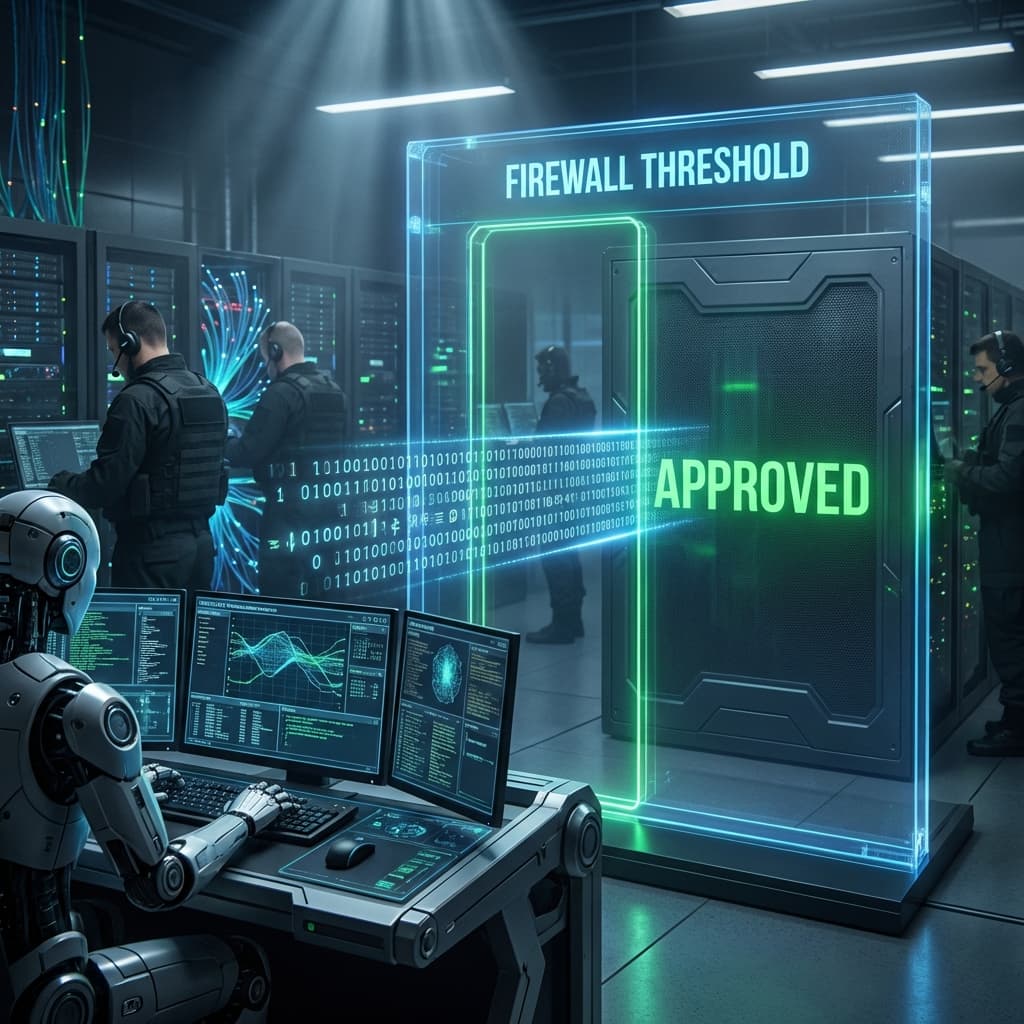
Before you click "Bridge", perform these three checks:
- URL Check: Are you on
jumper.exchangeorjumper-promo-airdrop.xyz? (90% of hacks are phishing sites). - Approval Limit: Never approve "Unlimited" tokens. If you are bridging 1000 USDC, approve exactly 1000 USDC.
- Route Verification: Does the output chain match? Hackers sometimes swap the destination address to their own.
4. Challenges & Risks: "Dust Attacks"
If you see a random token appear in your wallet after bridging, DO NOT TOUCH IT. This is a "Dust Attack." If you try to sell it, the smart contract may drain your other assets.
- Action: Hide the token in your wallet interface and ignore it.
5. Future Outlook: Chain Abstraction
By 2027, "Bridging" will disappear from the UI. Wallets will just show your total balance. When you click "Buy," the wallet will automatically bridge in the background. This involves risks (hidden fees), but it is the inevitable path for UX.

6. FAQ: Bridging
1. What happens if my funds get stuck? Don't panic. Check the "Explorer" link. Usually, the destination chain is just congested. You might need to "claim" the funds manually on the destination side.
2. Can I bridge Bitcoin to Ethereum? Not directly. You must wrap it (WBTC/tBTC) or use a specialized bridge like Thorchain which allows native swaps.
3. What is CCTP? Cross-Chain Transfer Protocol by Circle. It burns USDC on chain A and mints it on chain B. It is the safest way to move USDC because there is no "Honeypot" of locked funds to hack.
4. Should I use a VPN? Yes. Some bridges geoblock users. A VPN ensures you can access the frontend.
5. How do I revoke permissions? After bridging, go to Revoke.cash and remove the allowance you gave to the bridge contract. This is known as "Wallet Hygiene."

Related Articles
Account Abstraction Use Cases 2026: The End of Seed Phrases
Lost your seed phrase? In 2026, it doesn't matter. Discover how ERC-4337 Account Abstraction is making Web3 indistinguishable from Web2.
Decentralized Identity (DID) Explained: Owning Your Data
Stop using 'Login with Google'. In 2026, your Ethereum wallet is your passport, credit score, and social profile wrapped in one.
Layer 2 Scaling Solutions 2026: The Rollup Wars
Ethereum is too expensive? Not on L2. Compare Arbitrum, Base, Optimism, and ZK-Sync to find the cheapest and fastest network.