DAO Legal Structures: From Discord Chat to Wyoming LLC

Executive Summary: The "Wild West" days of DAOs are over. After the Ooki DAO lawsuit (where token holders were held personally liable), the industry woke up. In 2026, every serious DAO wraps itself in a legal shell. This guide explores the "Wyoming D-LLC" and the "UNA" (Unincorporated Nonprofit Association).
Introduction
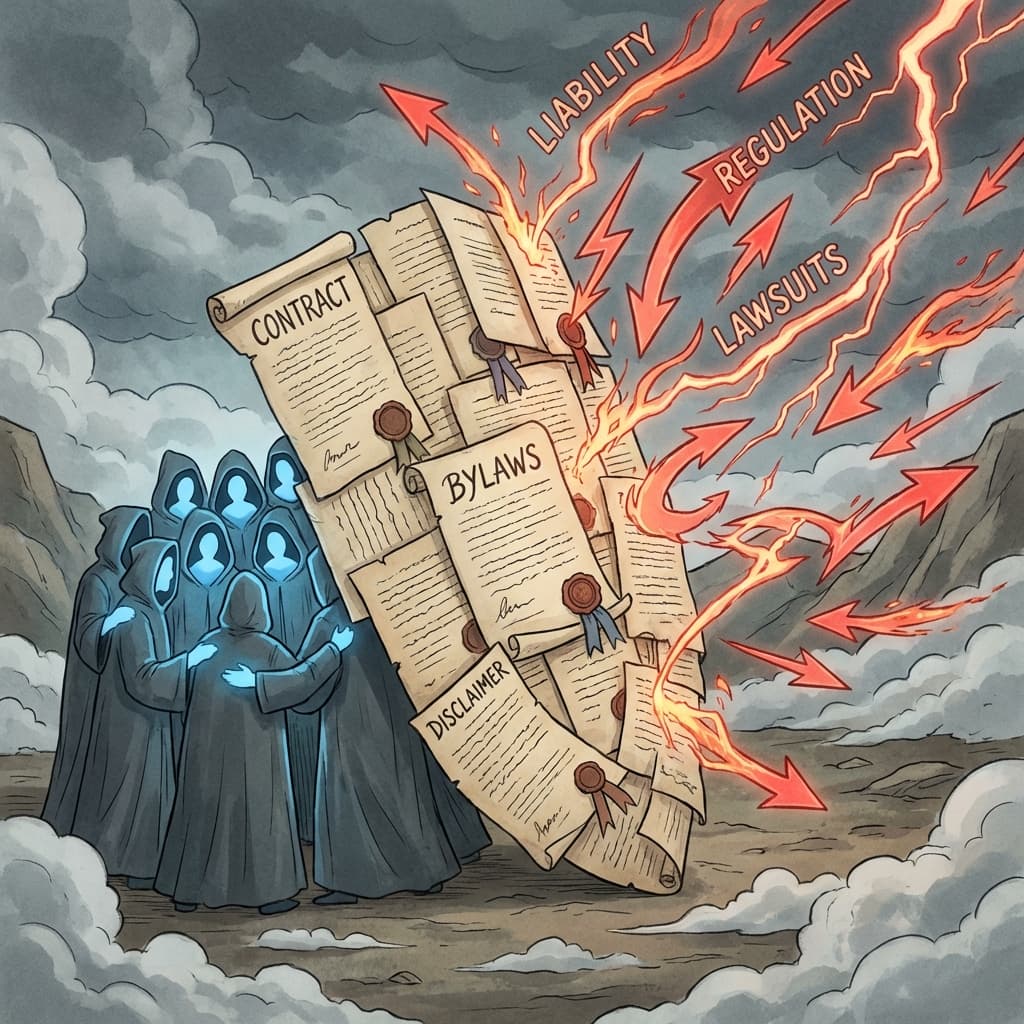
In 2022, the CFTC sued Ooki DAO. They served the lawsuit by posting it in the DAO's chat box. The terrifying ruling: Every voting member was personally liable. If the DAO broke the law, the regulators could come after your house and your car, just because you voted "Yes" on a proposal.
That was the wake-up call. In 2026, "Naked DAOs" are extinct. We now have Wrapped DAOs.
The Menu of Entities
1. The Wyoming D-LLC (Decentralized LLC)
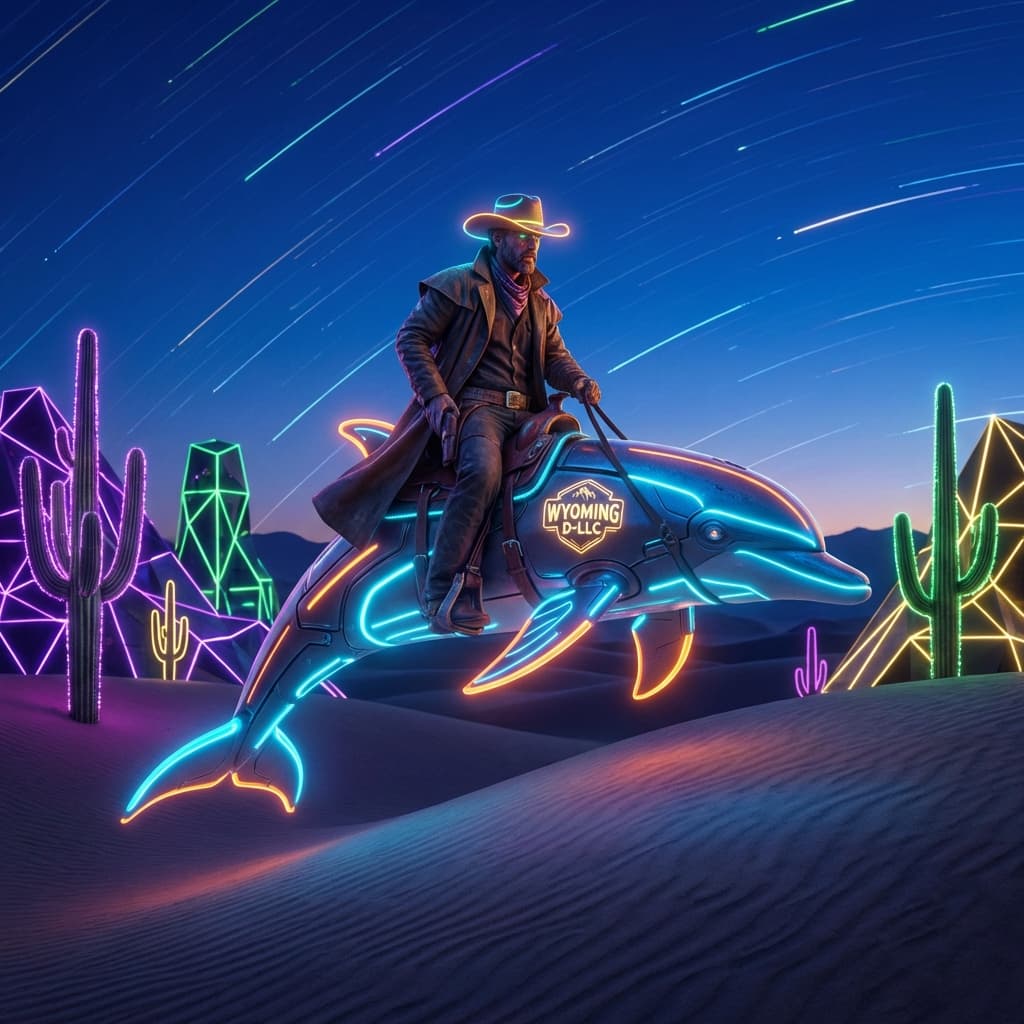
Wyoming was the first US state to recognize DAOs.
- The Deal: It treats the DAO like an LLC. It gives it "Legal Personality." The DAO can sign contracts, hire employees, and pay taxes.
- The Protection: It shields members. If the DAO gets sued, the members' personal assets are safe. Only the DAO's treasury is at risk.
2. The Marshall Islands DAO
For global projects. The Marshall Islands allows DAOs to register without a list of member names (KYC is done at the DAO level, not the government level). It is popular for DeFi protocols that want to remain decentralized but need a corporate face.
3. The UNA (Unincorporated Nonprofit Association)
Popular for charities and social clubs. It allows the DAO to own property and hold bank accounts, but profit distribution is harder. Good for ConstitutionalDAO style projects (buying a copy of the Constitution).
The "Bermuda" Strategy
Many large protocols (like Uniswap/Aave) use a "Foundation" model.
- Cayman Foundation: Holds the IP and the Treasury. It has Directors who are legally responsible.
- The DAO: The token holders vote on "Instructions" to the Foundation. The Foundation executes the will of the DAO, but has a veto right if the DAO votes to do something illegal. It is a system of checks and balances.
Sub-DAOs and Pods
In 2026, we realized monolithic DAOs are too slow. We split them into Sub-DAOs (Pods).
- Legal Pod: A registered LLC.
- Dev Pod: A general partnership of coders.
- Marketing Pod: A Cayman entity. The main DAO acts like a "Mother Ship," allocating budget to these independent satellite entities.
FAQ
Q: Does a DAO have to pay taxes? A: Yes. If it's a D-LLC, it pays taxes like a corporation. If it's a "Naked DAO," it's a mess—every member might owe taxes on their share of the treasury. (Consult a lawyer, this is not financial advice).
Q: Can a DAO sue someone? A: Yes, if it is wrapped. A naked DAO cannot sue because it "doesn't exist." A Wyoming D-LLC can sue a hacker to recover stolen funds.
Q: Is "Code is Law" dead? A: No, but "Code is Law" only applies on the blockchain. When the blockchain touches the real world (hiring people, buying servers), "Law is Law." You need a bridge.
Conclusion
Structure is not sexy. But it is necessary. The Legal Wrapper is the spacesuit that allows the alien organism (the DAO) to survive in the harsh atmosphere of the terrestrial legal system. Without it, you die. With it, you can conquer the world.
Related Articles
Music NFTs: Spotify is Dead, Long Live the Artist
Musicians earn $0.003 per stream. With Music NFTs, they earn $50 per song. Explore the 'Invest in Your Favorite Artist' model of 2026.
NFT Ticketing: How We Finally Killed the Scalper
Taylor Swift fans rejoice. Smart tickets allow artists to cap resale prices, earn royalties on transfers, and give fans digital collectibles.
The Rise of 'Utility Memecoins': Why Dog Money is Getting Serious
It used to be a joke. Now, Memecoins are launching L2 blockchains, funding space missions, and powering decentralized social networks.