
Quantum-Safe Blockchains: Preparing for Q-Day 2030
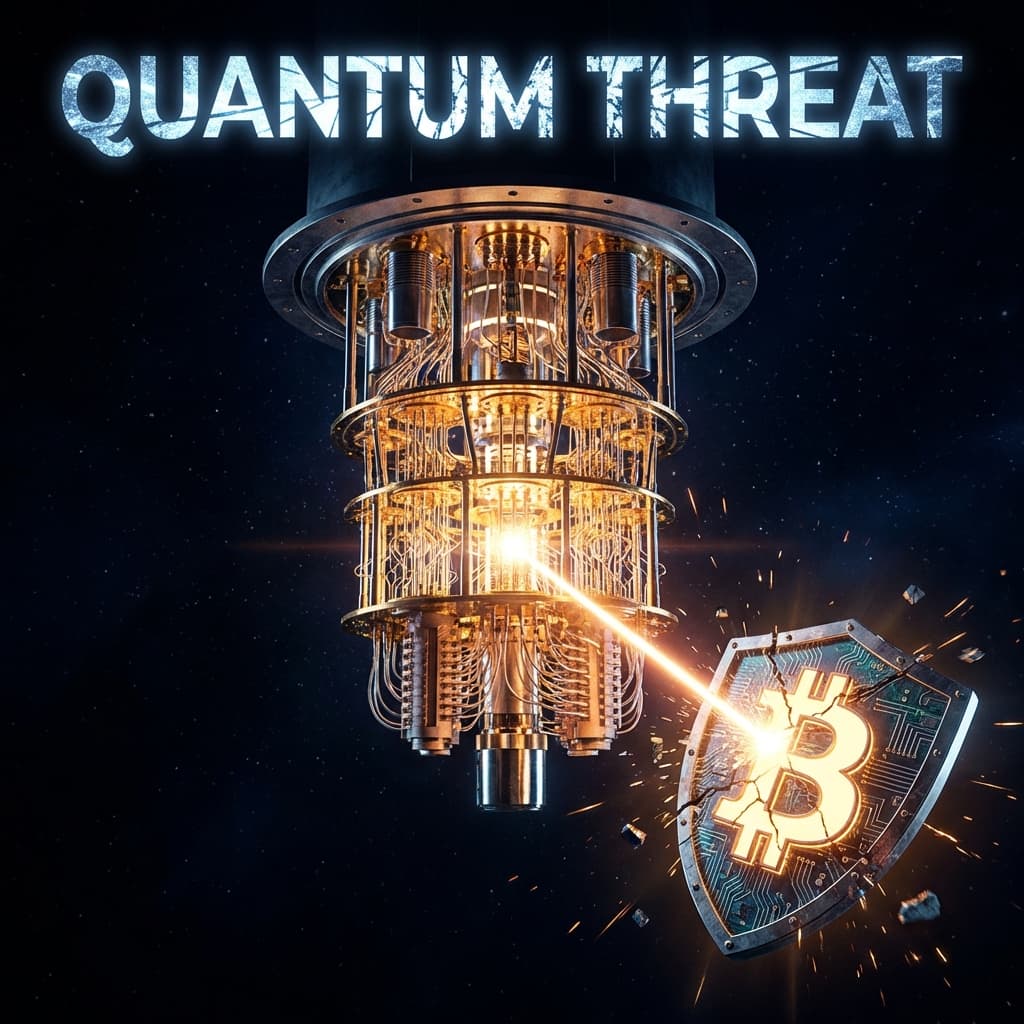
Executive Summary: With big tech confirming 10,000+ qubit quantum computers by 2030, the "Shor's Algorithm" threat to crypto is real. Current Elliptic Curve Cryptography (ECC) will become crackable. This article details the 2026 roadmap for upgrading blockchains to Post-Quantum Cryptography (PQC).
Introduction
It is the looming shadow over the industry. Q-Day: The day a Quantum Computer is powerful enough to run Shor's Algorithm and derive a private key from a public key. For Bitcoin and Ethereum, which rely on Elliptic Curve Cryptography (secp256k1), this means anyone could empty any wallet where the public key has been revealed (i.e., any wallet that has ever sent a transaction).
In 2026, the panic hasn't hit, but the preparation has begun.
The Solution: Lattice-Based Cryptography
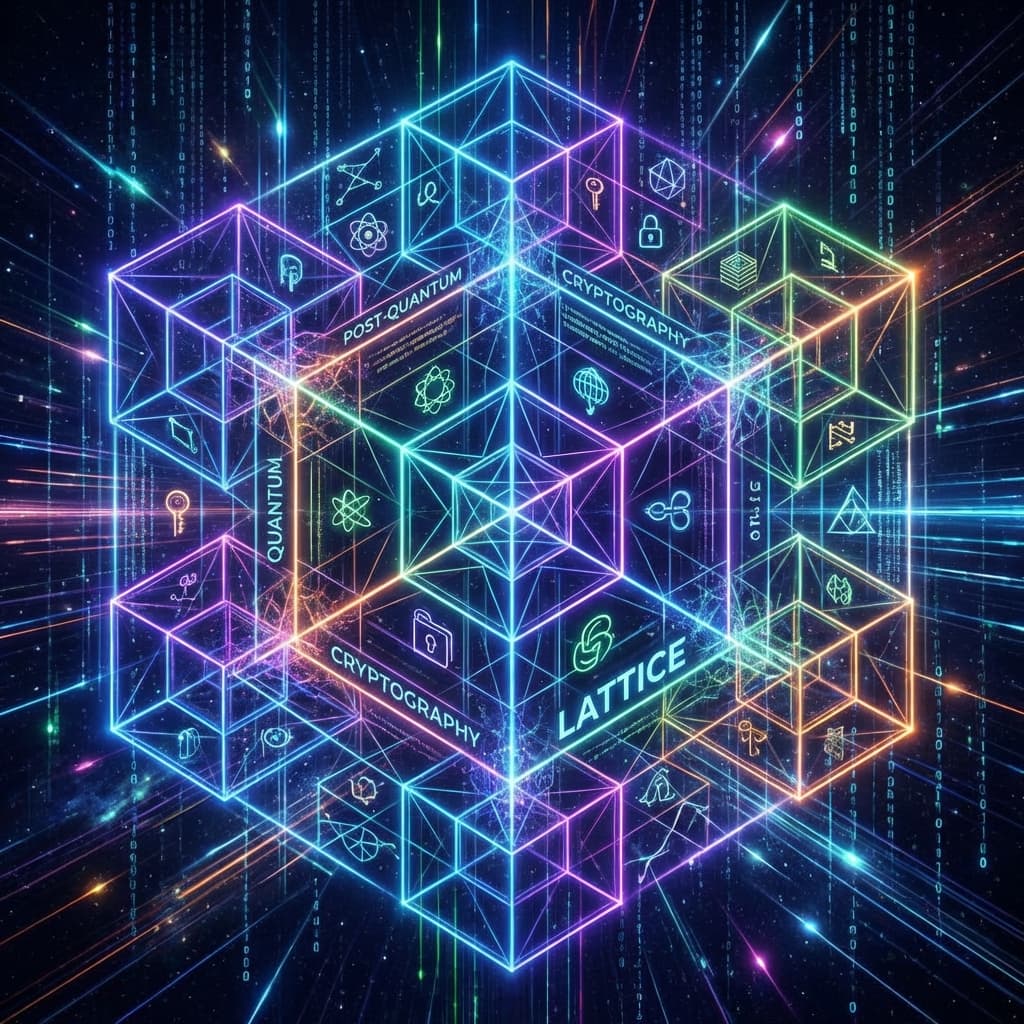
We cannot stop Quantum Computers. We must change the lock. Post-Quantum Cryptography (PQC) uses math problems that even quantum computers find hard. The leading standard selected by NIST (National Institute of Standards and Technology) is Lattice-Based Cryptography. Imagine a grid in 500 dimensions. Finding the closest point in that grid is impossibly hard, even for a quantum supercomputer.
The Migration Path for Ethereum
Ethereum has a "Abstraction" advantage. Because of Account Abstraction (see my previous post), upgrading Ethereum is easier than Bitcoin.
- Phase 1 (2026): NIST finalizes PQC signature standards (Dilithium/Falcon).
- Phase 2 (2027): Ethereum introduces a new Account Type supporting PQC signatures.
- Phase 3 (User Action): Users must migrate their assets. You will create a new "Quantum-Safe Wallet" and send your funds from your old ECC wallet to the new one.
The Bitcoin Challenge
Bitcoin is harder to upgrade due to its rigid consensus. However, a soft fork will eventually enable Lamport Signatures or STARK-based signatures (which are inherently quantum resistant). The risk is "Lost Coins." Satoshi Nakamoto's original coins (1 Million BTC) are in P2PK (Pay to Public Key) addresses. The public keys are visible. If Satoshi doesn't move those coins to a quantum-safe address before Q-Day, quantum hackers will steal them.
Native Quantum-Safe Chains
Some chains launched quantum-ready from day one.
- Algorand: Uses Falcon keys for state proofs.
- QANplatform: A Layer 1 built specifically to be quantum-resistant, allowing developers to write code in any language.
- XX Network: Created by David Chaum, prioritizing quantum privacy.
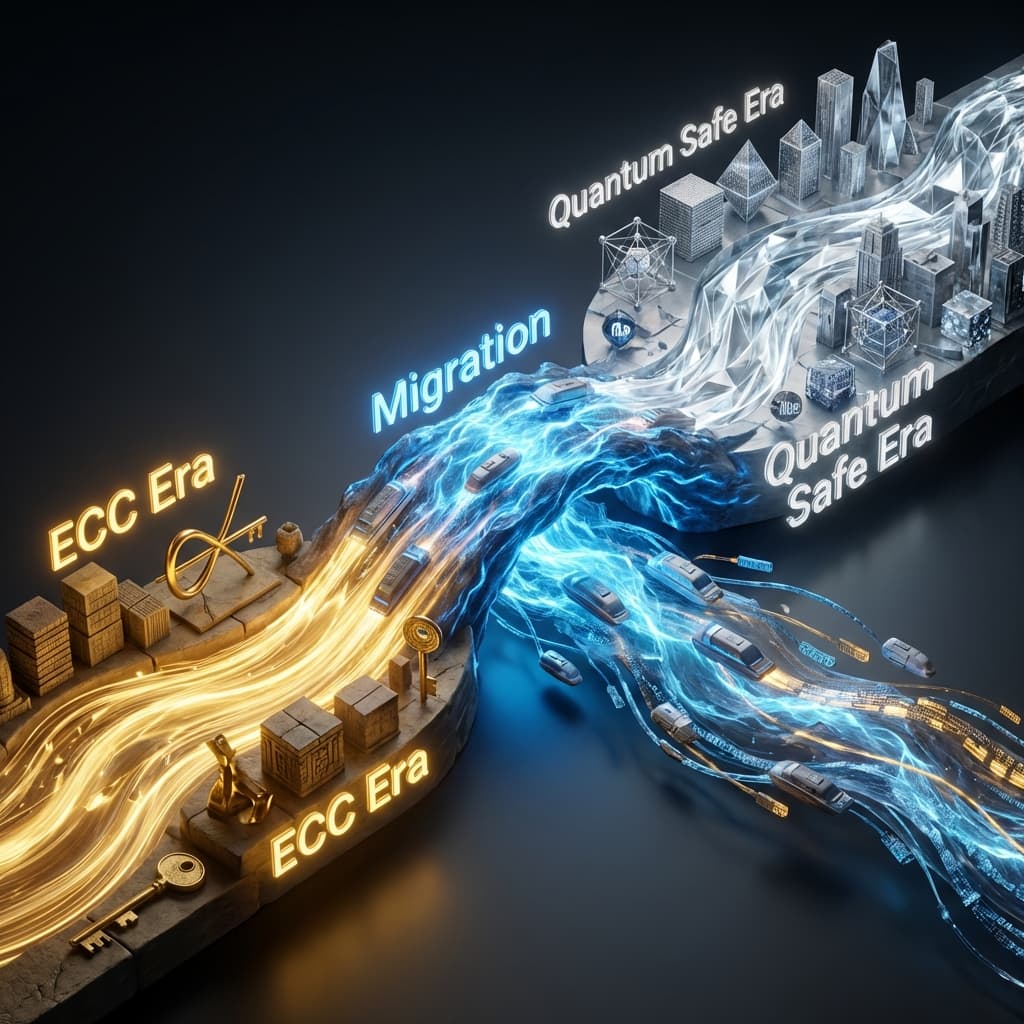
The Trade-Off: Efficiency
PQC is safe, but "heavy." An ECC signature is 64 bytes. A Lattice signature is 2,400 bytes. This bloats the blockchain massive. 2026 research focuses on optimizing proof sizes so that becoming quantum-safe doesn't make the blockchain 50x slower/expensive to run.
FAQ
Q: When is Q-Day? A: Estimates vary. IBM says 2029. Google says 2030+. But we need to upgrade years before urgency strikes. "Store now, Decrypt later" attacks are already happening (hackers hoarding encrypted data to crack it in 2030).
Q: Are my seed words safe? A: Seed words (BIP-39) are hashed using SHA-256. Hashes are actually quite quantum resistant (Grover's Algorithm only weakens them by half). The vulnerable part is the public key derived from the seed, not the seed itself.
Q: Why don't we switch now? A: Because PQC is new. We don't trust the math fully yet. It's risky to move $2 Trillion to a new crypto standard that hasn't been battle-tested for a decade.
Conclusion
Quantum Migration will be the Y2K event of crypto. It will require a massive, coordinated effort to upgrade the entire internet's security layer. It is an engineering challenge, but solvable. The blockchain will survive, but it will speak a new mathematical language.

Relaterede artikler
Decentraliseret Identitet (DID) & Soulbound Tokens: Du er ikke en tegnebog
Dagene med 'Log ind med Google' er forbi. Lær hvordan Decentraliseret Identitet (DID) lader dig eje din digitale identitet og opbygge et omdømme on-chain.
Zero-Knowledge Proofs: Privatliv er den nye Skalerbarhed
Alt hvad du ved om privatliv er forkert. ZK Proofs lader dig bevise, at du kan tilbagebetale et lån uden at afsløre din banksaldo. Et dybt dyk ned i ZK-Rollups og Identitet.
Kontoabstraktion (ERC-4337): Døden over Seed Phrase
Vi har endelig løst UX-problemet. Lær hvordan Smart Accounts muliggør social gendannelse, gasfrie transaktioner og biometrisk signering i 2026.