


Asset-Backed Stablecoins: The Post-Fiat Standard of 2026
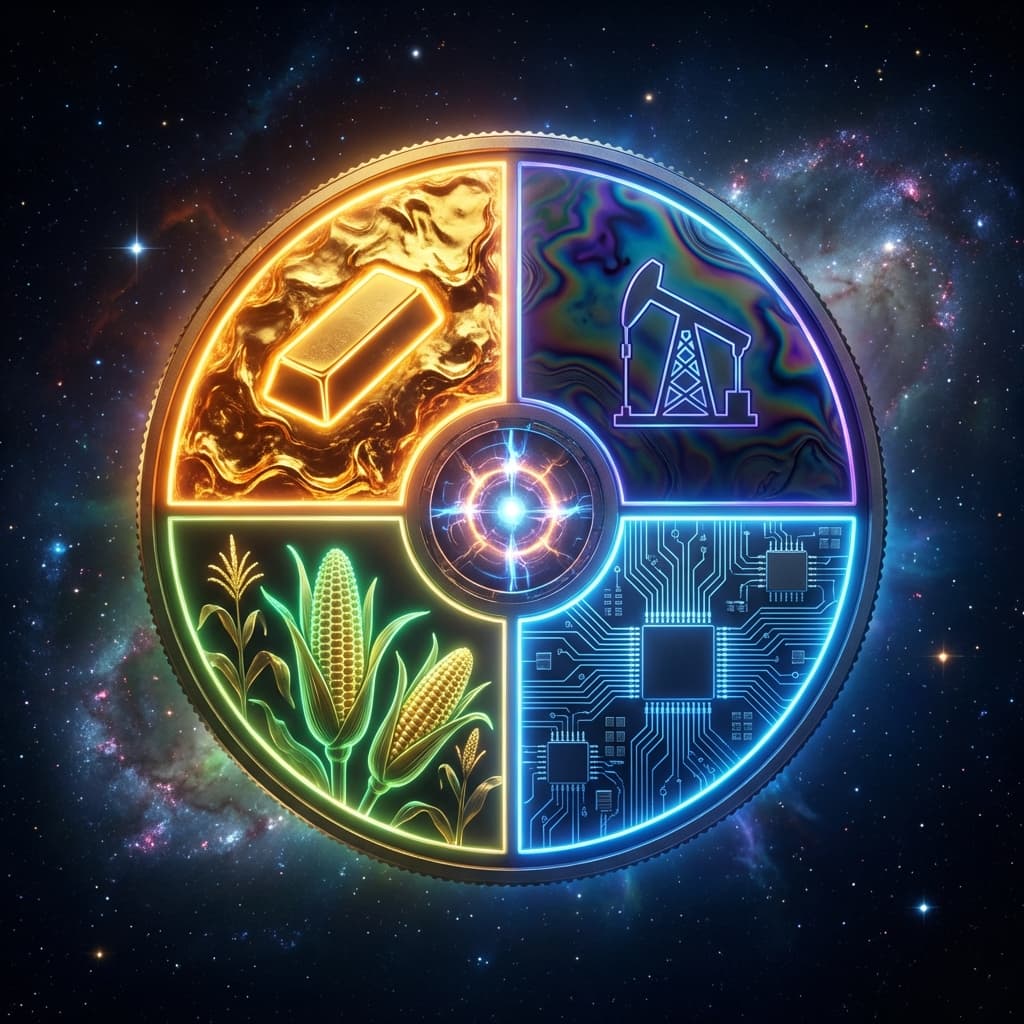
Executive Summary: Inflation has eroded the purchasing power of fiat-pegged stablecoins. In 2026, the market is pivoting to 'Flatcoins'—tokens backed by baskets of tangible assets like housing, energy, and commodities. This report analyzes the mechanics of inflation-resistant money and the leading protocols redefining 'Stability'.
Introduction
For a decade, "Stablecoin" meant "Pegged to the US Dollar." But in 2026, with global inflation averaging 4%, holding a dollar-pegged token is a guaranteed way to lose wealth. The definition of stability has shifted from Price Stability ($1 = $1) to Purchasing Power Stability (1 Token = 1 Loaf of Bread + 1 Gallon of Gas).
Enter the Flatcoin. These are asset-backed stablecoins designed to track the Cost of Living, not a central bank currency.
The Basket Theory: How It Works
Instead of holding US Treasury bills (which pay interest but depreciate in real terms), 2026 Flatcoin issuers hold a diversified basket of Real-World Assets (RWAs) on-chain.
The Standard "CPI Basket"
- 30% Real Estate: Tokenized residential REITs (Homebase).
- 20% Energy: Tokenized Oil/Uranium futures.
- 20% Food: Agricultural commodity tokens.
- 15% Gold: Paxos Gold (PAXG).
- 15% Bitcoin: As the "digital gold" hedge.
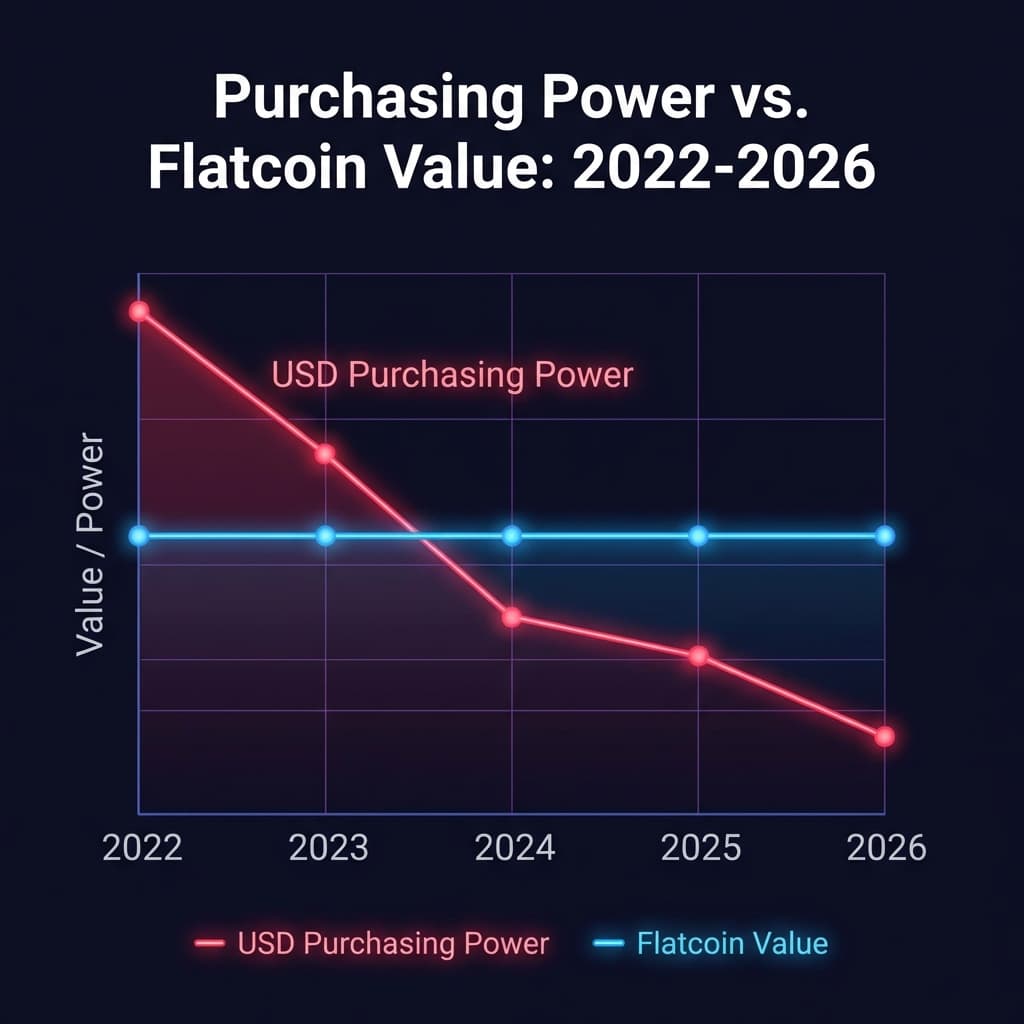
The token's price floats against the dollar but stays flat against the Consumer Price Index (CPI). If inflation rises, the value of the backing assets rises, and so does the token price (e.g., trading at $1.04).
Leading Protocols
1. Frax Finance (FPI - Frax Price Index)
The pioneer. Frax holds a massive treasury of assets and uses a Chainlink Oracle tracking the US CPI. If inflation goes up, the protocol mints FPI to match it, effectively paying the holder the inflation rate.
2. Reserve Protocol (RSR)
Reserve allows anyone to build their own "Asset-Backed Currency." In Venezuela and Argentina, communities use "R-tokens" backed by US Equities and Gold, ignoring their local currency entirely.
3. Nuon
Nuon uses a "crypto-native" flatcoin approach. It over-collateralizes with ETH but algorithmically adjustments the target peg based on daily inflation data, creating an "independent money" not beholden to TradFi assets.
Challenges: The Oracle Lag
The biggest innovative hurdle was Latency. Government CPI data comes out once a month. That is too slow for crypto. In 2026, protocols use Truflation—an on-chain oracle that tracks 12 million price points (from Amazon, Zillow, GasBuddy) in real-time. This provides a "Daily CPI," allowing Flatcoins to adjust their peg every 24 hours.
FAQ
Q: Is this safer than USDC? A: Different risk. USDC has counterparty risk (Circle/Banks). Asset-backed coins have market risk (if Real Estate crashes). They are safer against inflation, but riskier against volatility.
Q: Can I pay for coffee with it? A: Yes. Wallets now auto-convert. You hold Flatcoins to preserve wealth, and when you tap your card, it swaps to USDC instantly for the merchant.
Q: Why Uranium? A: Energy is the baseline of all productivity. Tokenized Uranium (U3O8) has become a popular stablecoin backing because it is non-perishable and has high value density.
Q: Is this legal? A: It falls under commodities regulation rather than banking regulation, which ironically makes it easier for some jurisdictions to approve than fiat-backed stablecoins.
Conclusion
We are witnessing the "De-Dollarization" of DeFi. Not because the dollar is collapsing, but because it is an inferior store of value compared to a diversified basket of humanity's resources. In 2026, smart money doesn't hold cash; it holds the economy.

Related Articles
Stablecoins: The New Global Settlement Rails
SWIFT is too slow. Visa is too expensive. In 2026, Stablecoins settle $50 Trillion annually, becoming the default layer for cross-border B2B payments.
BNPL 2.0: The B2B Credit Revolution
Buy Now Pay Later isn't just for sneakers anymore. In 2026, B2B BNPL allows companies to finance cloud costs, inventory, and SaaS subscriptions on-chain.
Tokenized Mortgages 2026: Home Ownership on the Blockchain
The 30-day closing period is history. Tokenized mortgages allow for instant settlement, fractional ownership, and global liquidity for real estate debt.