
Blue Economy Tokenization: Financing the Future of Our Oceans
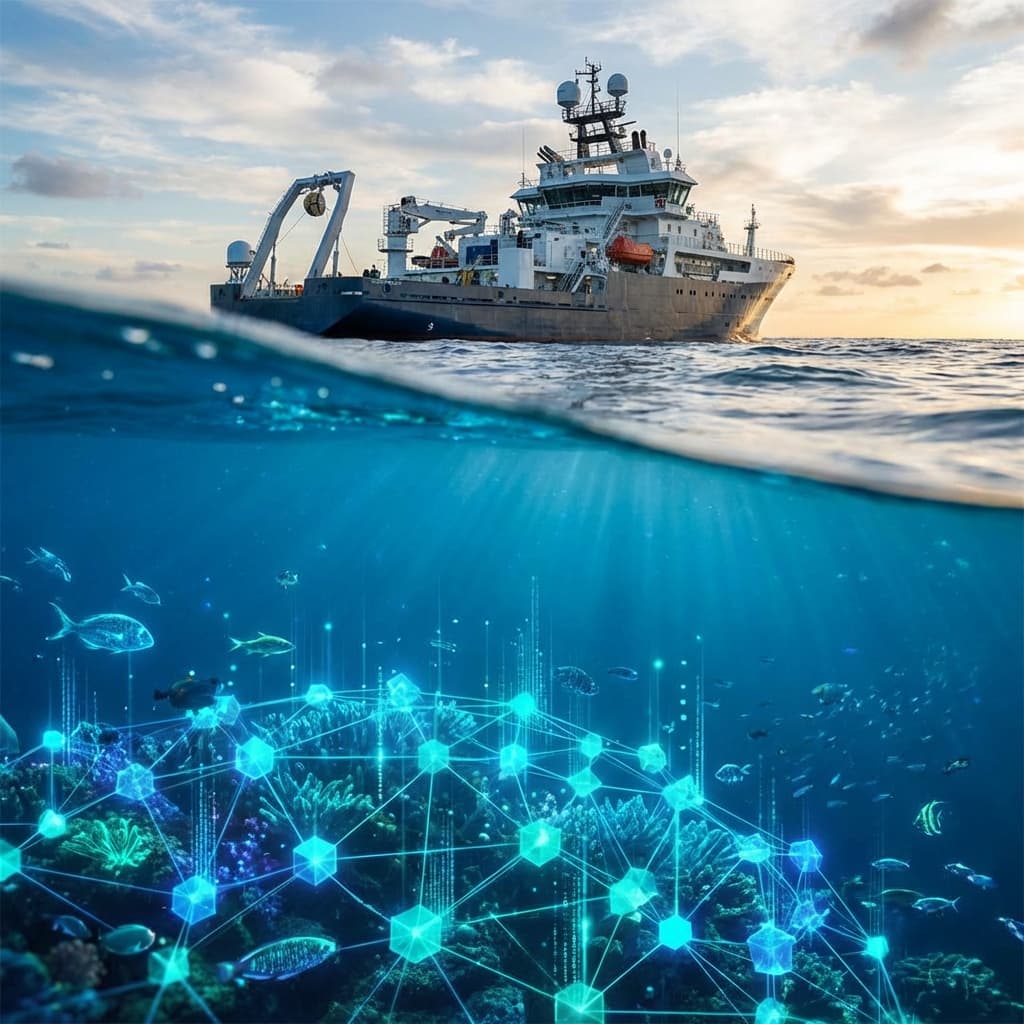
Executive Summary: The "Blue Economy"—sustainable use of ocean resources—is an annual $2.5 Trillion market. In 2026, blockchain has become the primary mechanism for financing ocean conservation. This article explores "Blue Bonds" on-chain, tokenized plastic credits, and the sovereign debt-for-nature swaps saving island nations.
Introduction
The ocean absorbs 30% of global CO2. It feeds 3 billion people. Yet, it has been chronically underfunded by traditional finance. Since conservation relies on charity, The Blue Economy relies on profit. In 2026, we have financialized ocean health. By tokenizing the outcome of conservation (e.g., 1 ton of plastic removed), we have created liquid assets that corporations buy to meet ESG mandates.
Key Tokenization Verticals
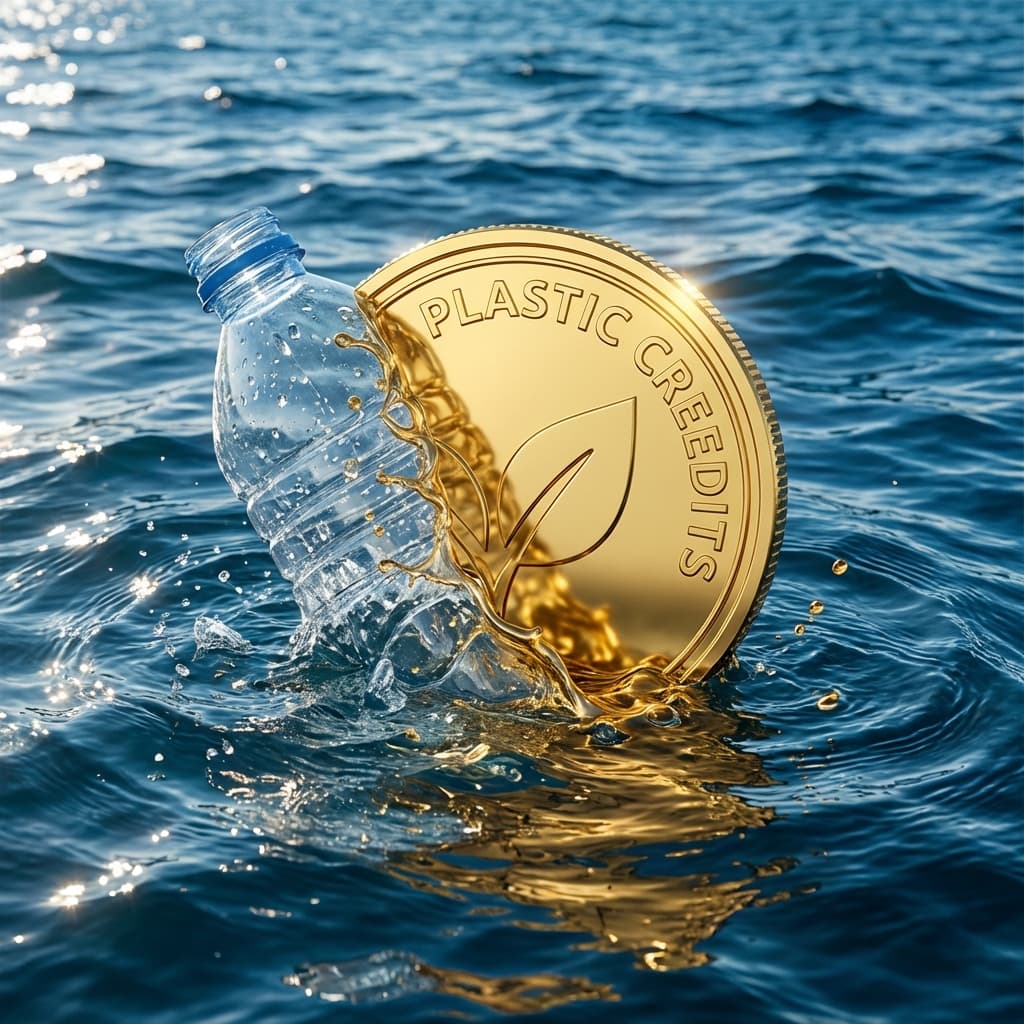
1. Ocean Plastic Credits
Projects like The Plastic Bank and RePurpose Global operate on-chain.
- Action: A coastal scavenger in Indonesia collects 100kg of ocean-bound plastic.
- Verification: They upload photo/GPS proof to the blockchain.
- Minting: The protocol mints "Plastic Credit Tokens."
- Sale: Coca-Cola buys and burns these tokens to offset their bottle production. The scavenger is paid instantly in stablecoins.
2. Tokenized Blue Bonds
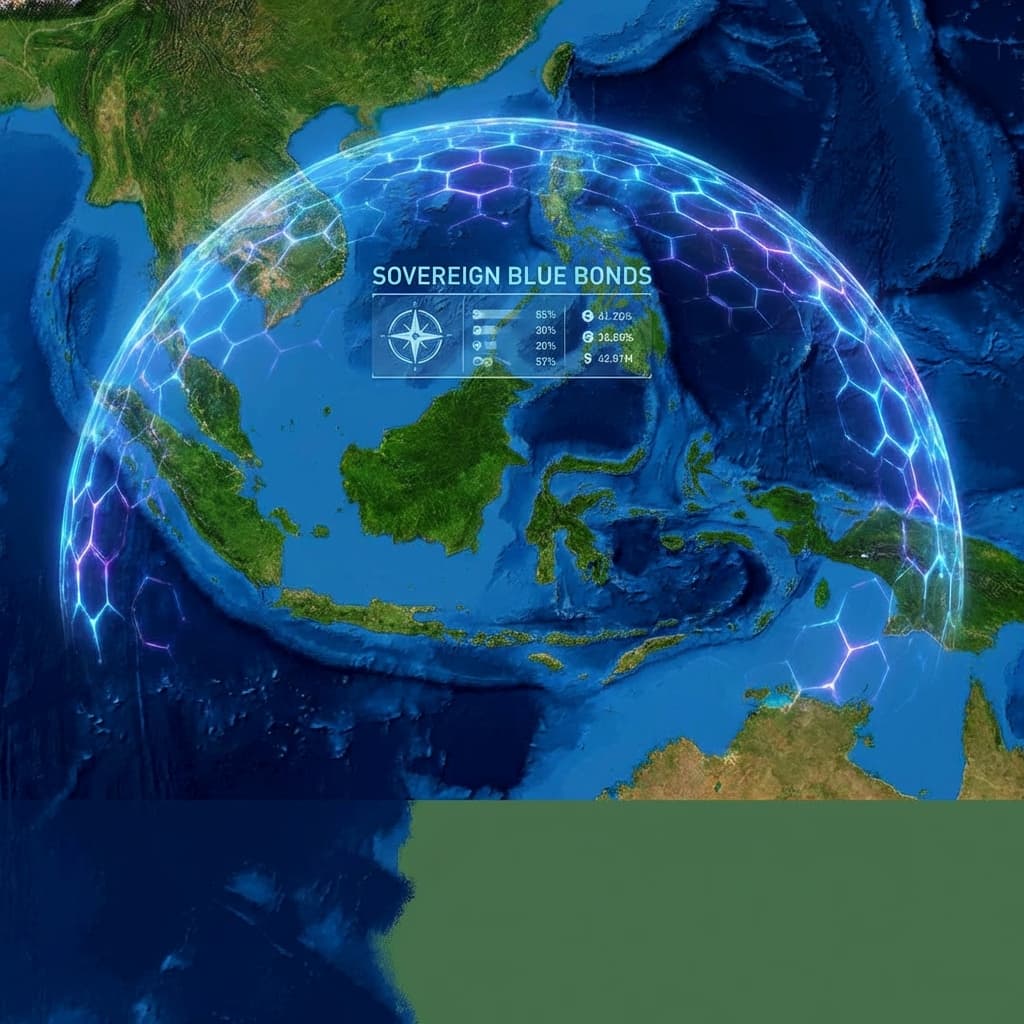
Traditionally, island nations (like Barbados or Fiji) paid high interest rates on debt. Now, they issue Tokenized Blue Bonds. Investors (DAOs and Impact Funds) lend money at lower rates. In exchange, the nation legally commits to protecting 30% of its coastline as a "No-Take Marine Zone." The bond yield is paid from eco-tourism revenue, tracked transparently on-chain.
3. Data-as-an-Asset (Ocean Oracles)
The ocean is a black box. DePIN projects like WeatherXM have successfully deployed thousands of solar-powered ocean buoys. These buoys collect data (wave height, acidity, temp) and sell it to shipping companies and insurance firms. The data stream is an asset class.
The "Sei" of the Sea?
Specific blockchains have pivoted to focus on this niche. Sei Network (and its Carbon branch) and Celo have become the homes for ReFi (Regenerative Finance). Their low carbon footprint and "Mobile First" approach suit developing coastal nations where the work happens.
Sovereign Debt Swaps on Chain
The biggest deal of 2025 was the Galapagos DAO Swap. A DAO bought $100M of Ecuadorian distressed debt on the secondary market for pennies on the dollar and forgave it. In return, Ecuador expanded the Galapagos Marine Reserve. This "Debt-for-Nature" swap, executed via smart contract, proved that crypto capital can move faster than the World Bank.
FAQ
Q: How do we know the plastic was actually recycled? A: Traceability. The blockchain tracks the "Chain of Custody" from scavenger to collection center to recycling plant. If the chain breaks, the token is flagged.
Q: Is this greenwashing? A: It can be. That's why 2026 standards require "Additionality." You can't issue credits for recycling that would have happened anyway. It must be new action.
Q: What is the ROI? A: For investors in Blue Bonds, returns are typically 5-7% APY. The "Alpha" comes from the impact metrics, which are increasingly required for EU corporate reporting.
Q: Can I invest in a specific coral reef? A: Yes. NFT projects like "Coral Tribe" allow you to "sponsor" a reef sector. The money funds the planting of heat-resistant super-corals, and you receive video updates from underwater drones.
Conclusion
Blue Economy Tokenization saves the ocean by making it "too valuable to pollute." It aligns the survival of marine ecosystems with the P&L of global corporations. In 2026, the cleanest investment you can make is Blue.

Related Articles
Stablecoins: The New Global Settlement Rails
SWIFT is too slow. Visa is too expensive. In 2026, Stablecoins settle $50 Trillion annually, becoming the default layer for cross-border B2B payments.
BNPL 2.0: The B2B Credit Revolution
Buy Now Pay Later isn't just for sneakers anymore. In 2026, B2B BNPL allows companies to finance cloud costs, inventory, and SaaS subscriptions on-chain.
Tokenized Mortgages 2026: Home Ownership on the Blockchain
The 30-day closing period is history. Tokenized mortgages allow for instant settlement, fractional ownership, and global liquidity for real estate debt.