
Carbon Credit Tokenization: Solving the Double-Counting Crisis via ReFi
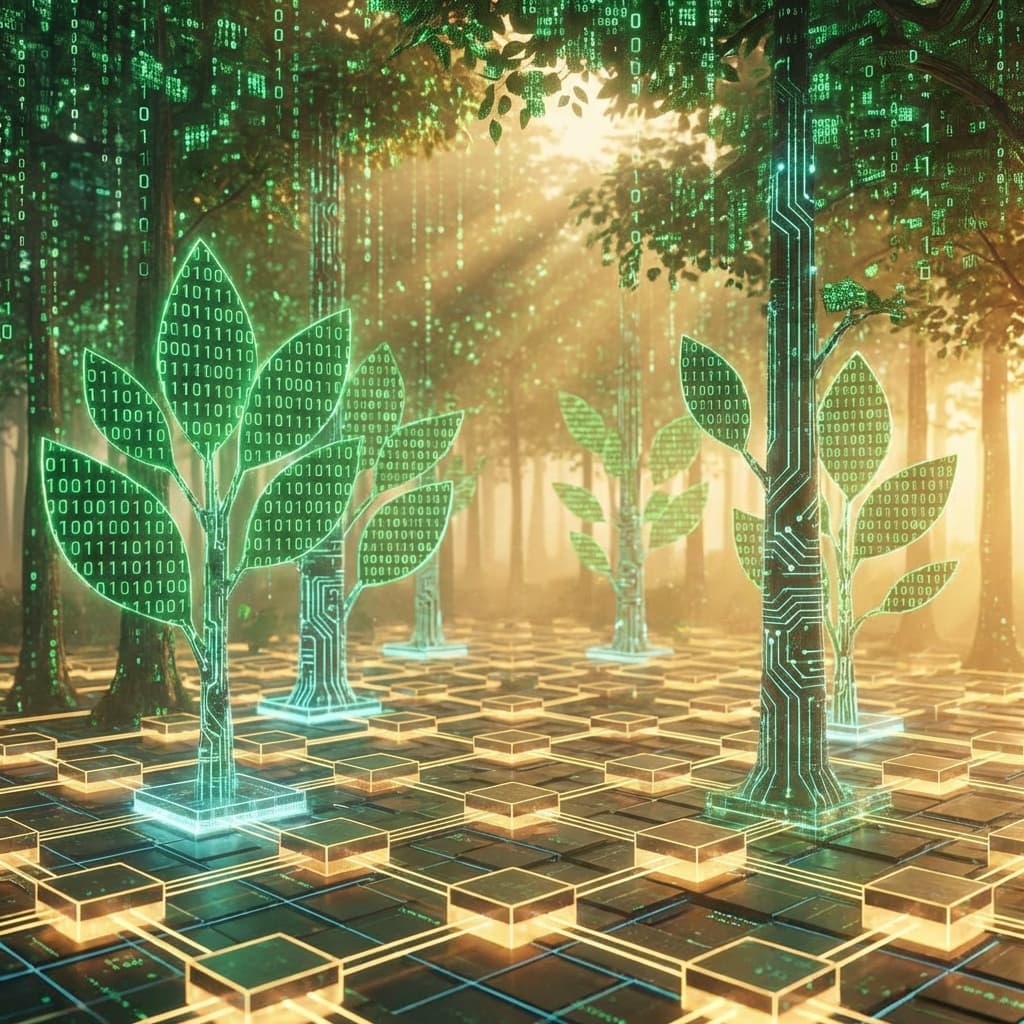
Executive Summary: By 2026, the voluntary carbon market (VCM) has undergone a radical transformation driven by Regenerative Finance (ReFi). Tokenization has solved the industry's plague of 'double-counting' and opacity, creating a verifiable, transparent ledger for environmental assets. This report examines the technical standards and market adoption of on-chain carbon credits.
Introduction
For years, the Carbon Credit market was the "Wild West" of finance—riddled with fraud, phantom forests, and assets sold to multiple buyers simultaneously. Corporations bought credits to claim "Net Zero," only to find out later the trees had burned down or were never planted.
In 2026, Regenerative Finance (ReFi) has deployed the blockchain to fix this. By tokenizing carbon credits, we turn a paper promise into a digital bearer asset with a unique, immutable history.
The Core Problem: Double Spending
In traditional markets, a carbon registry (like Verra or Gold Standard) issues a credit. A broker buys it, sells it to an airline, who sells it to a hedge fund. Along the way, it's unclear who actually "retired" (used) the credit. Sometimes, both the broker and the airline claimed the offset.
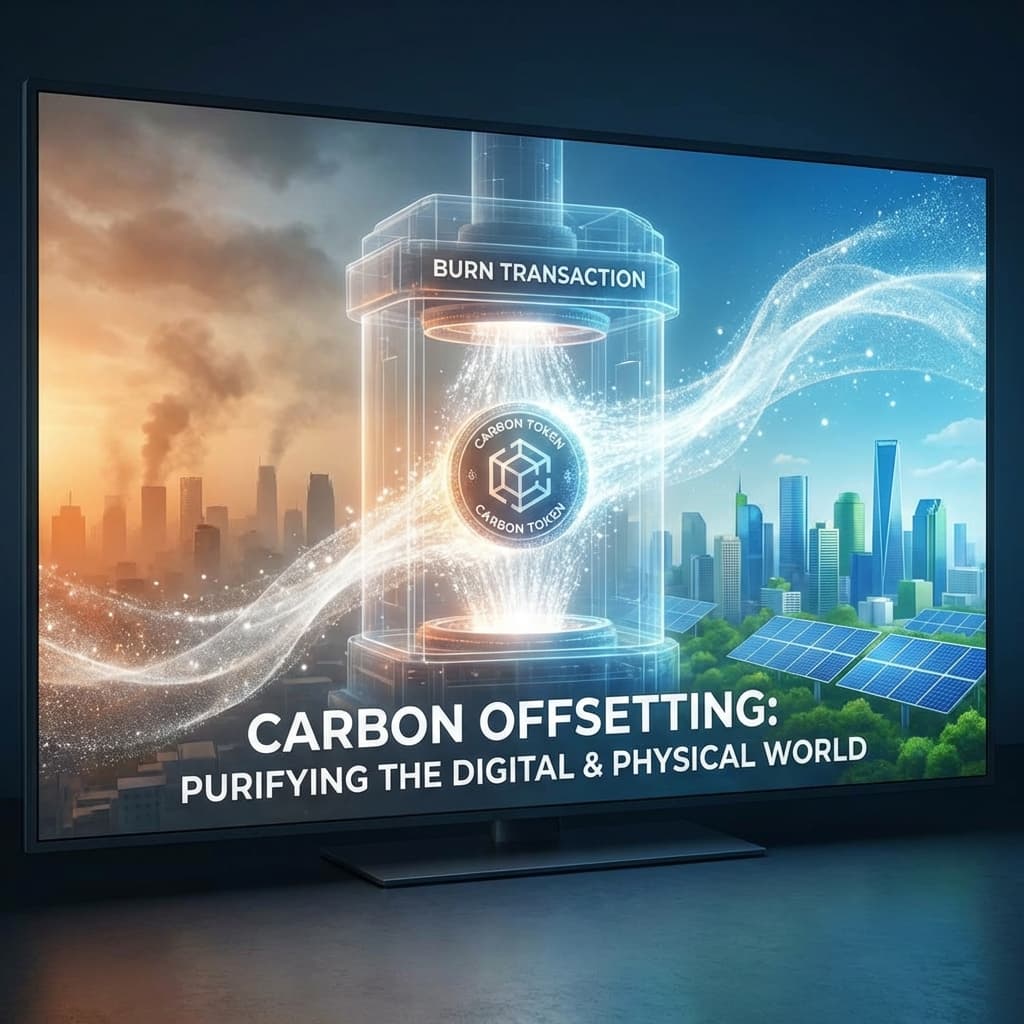
Blockchain solves this via "Burn" mechanics. On-chain, a credit exists as a token. To claim the environmental benefit (the offset), you must send the token to a "burn address" (a digital trash can). This action is public and irreversible. Once burned, the token is destroyed forever, mathematically proving that the offset was claimed exactly once.
Traditional VCM vs. Tokenized ReFi (2026)
| Feature | Legacy Carbon Market | Tokenized ReFi Market |
|---|---|---|
| Traceability | PDF Certificates / Excel Sheets | Full On-Chain Provenance (Mint to Burn) |
| Liquidity | OTC Broker Deals (Phone/Email) | DEX Liquidity Pools (Toucan / KlimaDAO) |
| Pricing | Opaque / Fragmented | Transparent Global Market Price |
| Retirement | Manual Registry Update (Slow) | Instant "Burn" Transaction |
| Programmatic | None | Programmable via Smart Contracts |
The ReFi Ecosystem of 2026
1. Toucan Protocol (The Bridge)
Toucan remains the primary infrastructure. Its "Carbon Bridge" allows users to take legacy credits (from registries like Verra), lock them in a vault, and mint a matching Tokenized CO2 (TCO2). This moves the asset from a siloed database to the open Defi economy.
2. KlimaDAO (The Central Bank of Carbon)
KlimaDAO acts as a "black hole" for carbon. By accumulating millions of tonnes of carbon credits in its treasury, it drives up the price of pollution, economically incentivizing companies to reduce emissions rather than just offsetting them. In 2026, their "Automated Retirement" feature allows eco-conscious blockchains to automatically offset their own energy consumption with every block produced.
3. Flowcarbon (Corporate Adoption)
Flowcarbon focuses on the supply side, funding projects (like reforestation in Brazil) upfront via token sales. This provides liquidity to project developers years before they would receive payment in the traditional system, accelerating the pace of climate action.
Integration with DeFi
The magic happens when Carbon meets DeFi.
- Green Collateral: In 2026, you can use high-quality Carbon Tokens as collateral to borrow stablecoins. This turns a "cost" (buying offsets) into a capital-efficient asset on a balance sheet.
- Green Yields: Liquidity providers for Carbon pools earn fees, creating a financial return for supporting the carbon market.
Challenges
- "Garbage In, Garbage Out": Tokenizing a bad credit (e.g., a "protected forest" that was never in danger) just makes it a liquid bad credit. The token is only as good as the underlying data.
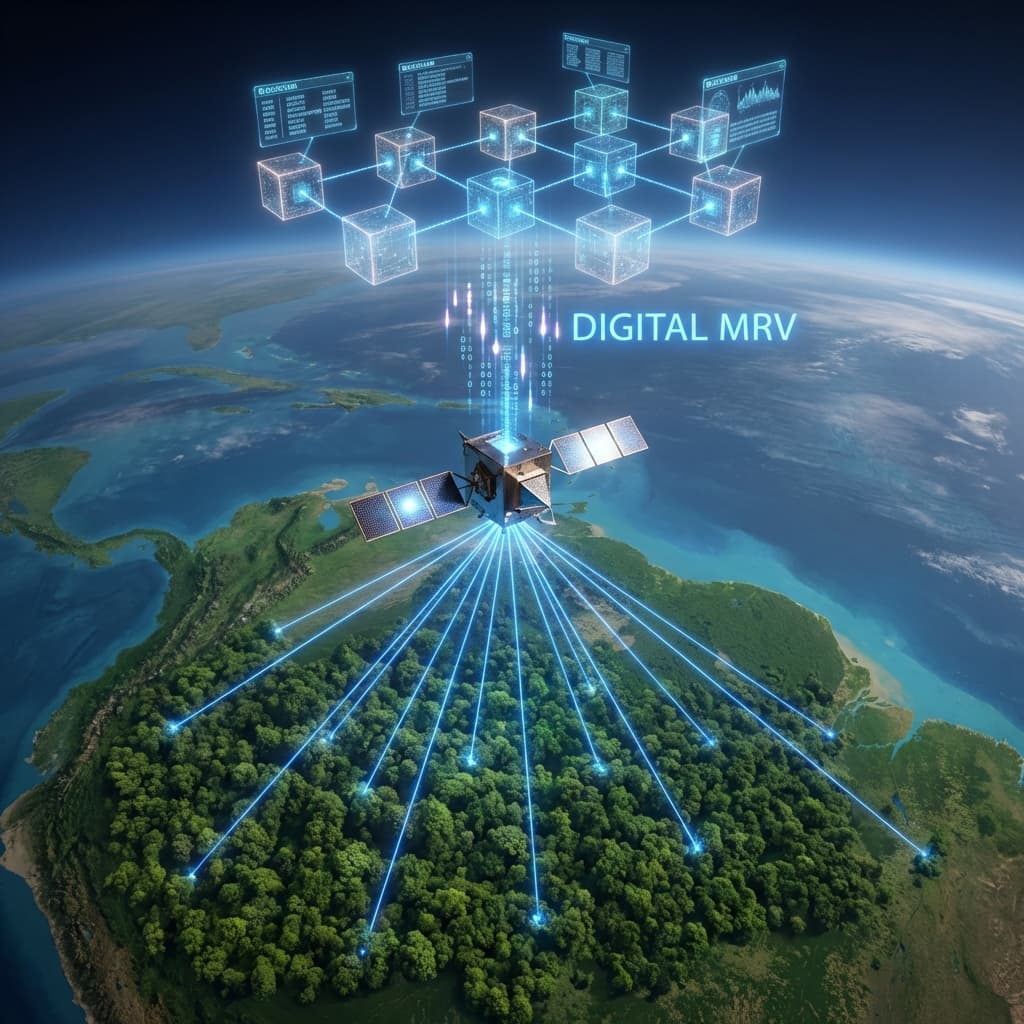
- Verification Lag: While the token is instant, verifying the tree still takes time. However, Digital MRV (Measurement, Reporting, Verification) using satellite data and AI is rapidly closing this gap, providing near real-time updates on forest health to the blockchain.
Conclusion
The tokenization of carbon credits is not just a tech upgrade; it is a trust upgrade. By imposing the transparency of the blockchain on the opaque world of ESG, ReFi has made "Net Zero" claims verifiable. In 2026, the question for corporations is not "Did you buy offsets?" but "Can you show us the burn transaction hash?"

Related Articles
Stablecoins: The New Global Settlement Rails
SWIFT is too slow. Visa is too expensive. In 2026, Stablecoins settle $50 Trillion annually, becoming the default layer for cross-border B2B payments.
BNPL 2.0: The B2B Credit Revolution
Buy Now Pay Later isn't just for sneakers anymore. In 2026, B2B BNPL allows companies to finance cloud costs, inventory, and SaaS subscriptions on-chain.
Tokenized Mortgages 2026: Home Ownership on the Blockchain
The 30-day closing period is history. Tokenized mortgages allow for instant settlement, fractional ownership, and global liquidity for real estate debt.