


DePIN Investment Narratives 2026: Physical Infrastructure Meets DeFi
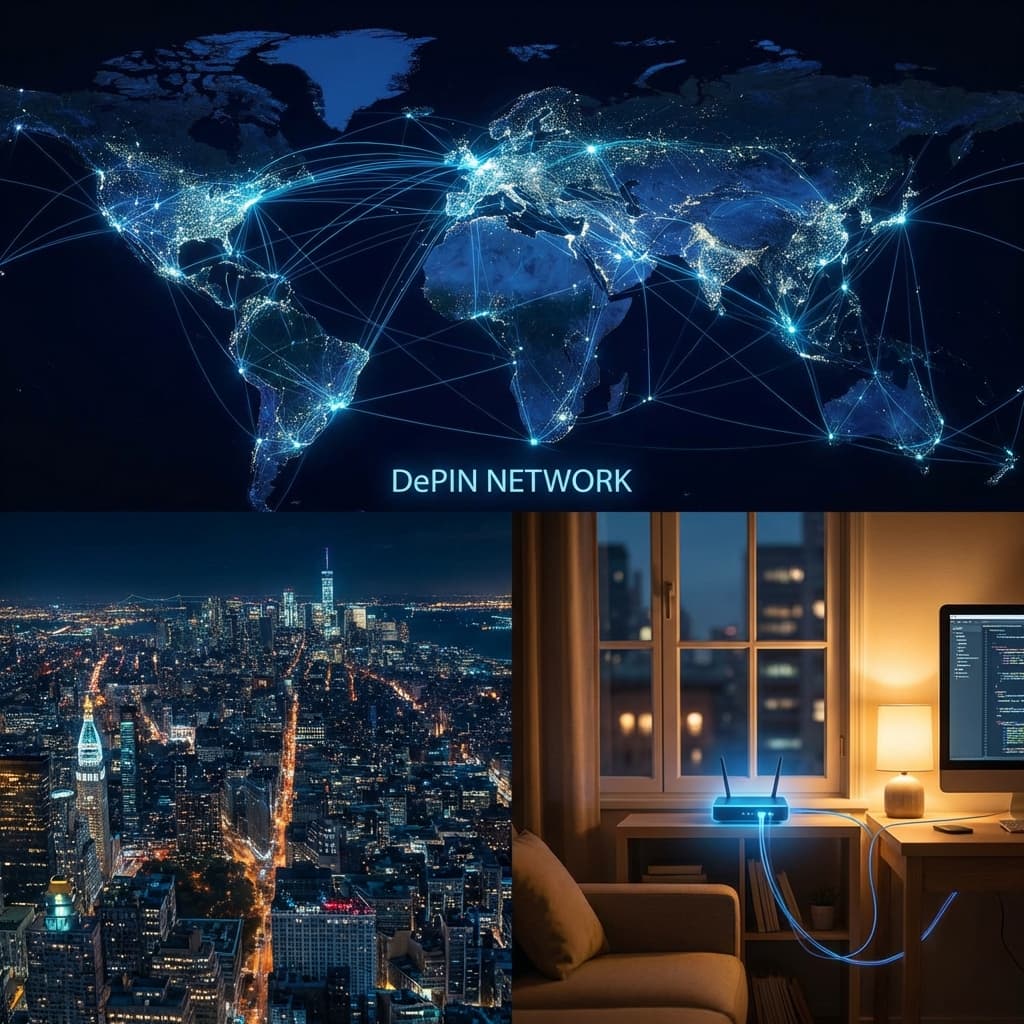
Executive Summary: DePIN (Decentralized Physical Infrastructure Networks) has become the sleeper hit of the 2026 bull market. By incentivizing users to deploy real hardware—from 5G hotspots to GPU clusters—crypto protocols are building infrastructure faster and cheaper than centralized telcos or cloud providers. This report covers the investment thesis for Helium, Render, and newcomer Hivemapper.
Introduction
For years, "Crypto" meant invisible internet money. DePIN changes that. It's crypto you can touch. It solves the "Cold Start Problem" of infrastructure. How do you build a 5G network to rival AT&T? You don't. You pay 1 million people in tokens to put a router in their window.
In 2026, this model has proven superior. DePIN networks have captured significant market share in Telecoms, Cloud Compute, and Sensor Data, creating a trillion-dollar asset class that bridges the digital and physical worlds.
The Core Sectors of DePIN 2026
1. Decentralized Compute (Render & io.net)
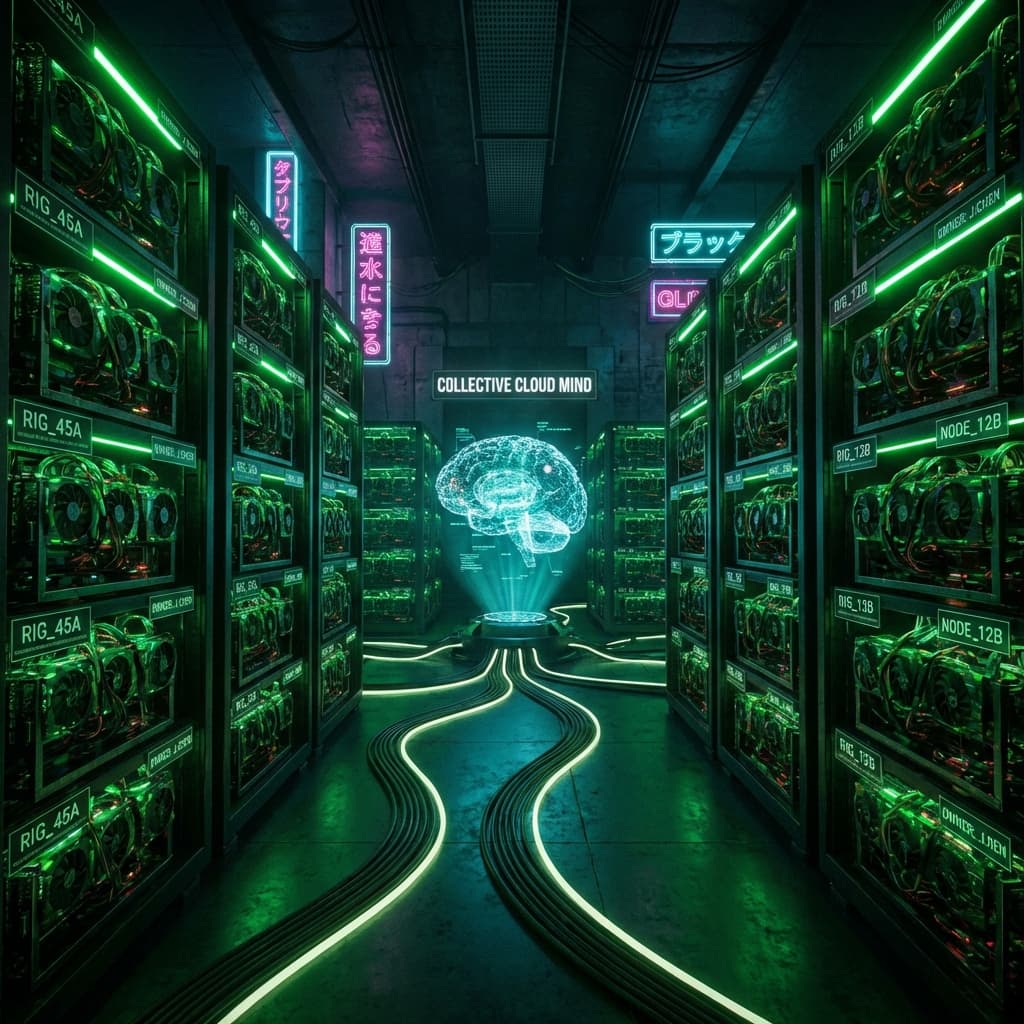
The AI explosion of 2024-2025 created a massive shortage of GPUs. DePIN solved this. Render Network and io.net aggregate idle GPUs from gamers and data centers worldwide. In 2026, they provide the compute power for training the mid-sized AI models used by enterprises, offering 80% cheaper rates than AWS or Google Cloud.
2. Connectivity (Helium Mobile)
Helium stumbled in IoT but found its stride in 5G. By 2026, Helium Mobile allows users to earn tokens for mapping network coverage and acting as "micro-towers." With major carrier roaming agreements now in place, it is a legitimate discount competitor to T-Mobile/Verizon, funded entirely by user-deployed hardware.
3. Sensor Networks (Hivemapper & Dimo)
Hivemapper creates a real-time 4K map of the world using dashcams. Unlike Google Maps which updates every few months, Hivemapper updates daily. This "Freshness" is sold to logistics companies (FedEx, Uber) who pay for the data, burning the HONEY token and creating real revenue.

The "DePIN Flywheel"
The magic of DePIN is the economic loop:
- Incentivize Supply: Tokens (like HNT or RNDR) are emitted to hardware owners.
- Build Coverage: The network grows rapidly without CapEx from the company.
- Attract Demand: Cheap services draw enterprise clients.
- Token Burn: Revenue buys and burns the token, supporting the price.
- Repeat: Higher token price attracts more hardware.
Investment Thesis: Revenue over Speculation
In 2026, DePIN tokens are valued like REITs (Real Estate Investment Trusts) or commodity producers. We look at:
- Hardware Active: How many active nodes?
- Utilization Rate: Is the network actually being used?
- Burn-to-Mint Ratio: Is revenue outpacing token inflation?
Unlike meme coins, DePIN projects have balance sheets. The best performers in Q1 2026 are those with "Real Demand"—compute networks running actual AI training jobs, not just empty storage networks.
FAQ
Q: Do I need to buy a $500 device to participate? A: Often, yes. This "Skin in the Game" reduces wash trading. However, newer protocols allow smartphone-only participation (e.g., Silencio for noise mapping).
Q: Is DePIN profitable for the hardware owner? A: It depends on location. A 5G hotspot in downtown Manhattan earns significantly more than one in rural Nebraska due to higher data utilization.
Q: What is the risk? A: Supply Overhang. If token prices crash, users might unplug their devices, causing the network coverage to shrink, leading to a "Death Spiral."
Q: Can Amazon/Google crush this? A: They can try, but they cannot beat the cost structure. They have to pay for land, power, and employees. DePIN offloads those costs to the user.
Q: How does this relate to AI? A: DePIN is the "Body" for AI's "Brain." AI needs massive compute (Render) and massive real-world data (Hivemapper). They are symbiotic.
Conclusion
DePIN is the most defensible sector in crypto. It builds moats of hardware and real-world utility that cannot be "forked" overnight. For the 2026 investor, a diversified portfolio of Compute, Connectivity, and Sensor networks offers exposure to the physical build-out of Web3.

Related Articles
Stablecoins: The New Global Settlement Rails
SWIFT is too slow. Visa is too expensive. In 2026, Stablecoins settle $50 Trillion annually, becoming the default layer for cross-border B2B payments.
BNPL 2.0: The B2B Credit Revolution
Buy Now Pay Later isn't just for sneakers anymore. In 2026, B2B BNPL allows companies to finance cloud costs, inventory, and SaaS subscriptions on-chain.
Tokenized Mortgages 2026: Home Ownership on the Blockchain
The 30-day closing period is history. Tokenized mortgages allow for instant settlement, fractional ownership, and global liquidity for real estate debt.