
IP as NFTs: The 2026 Revolution in Royalties and Rights
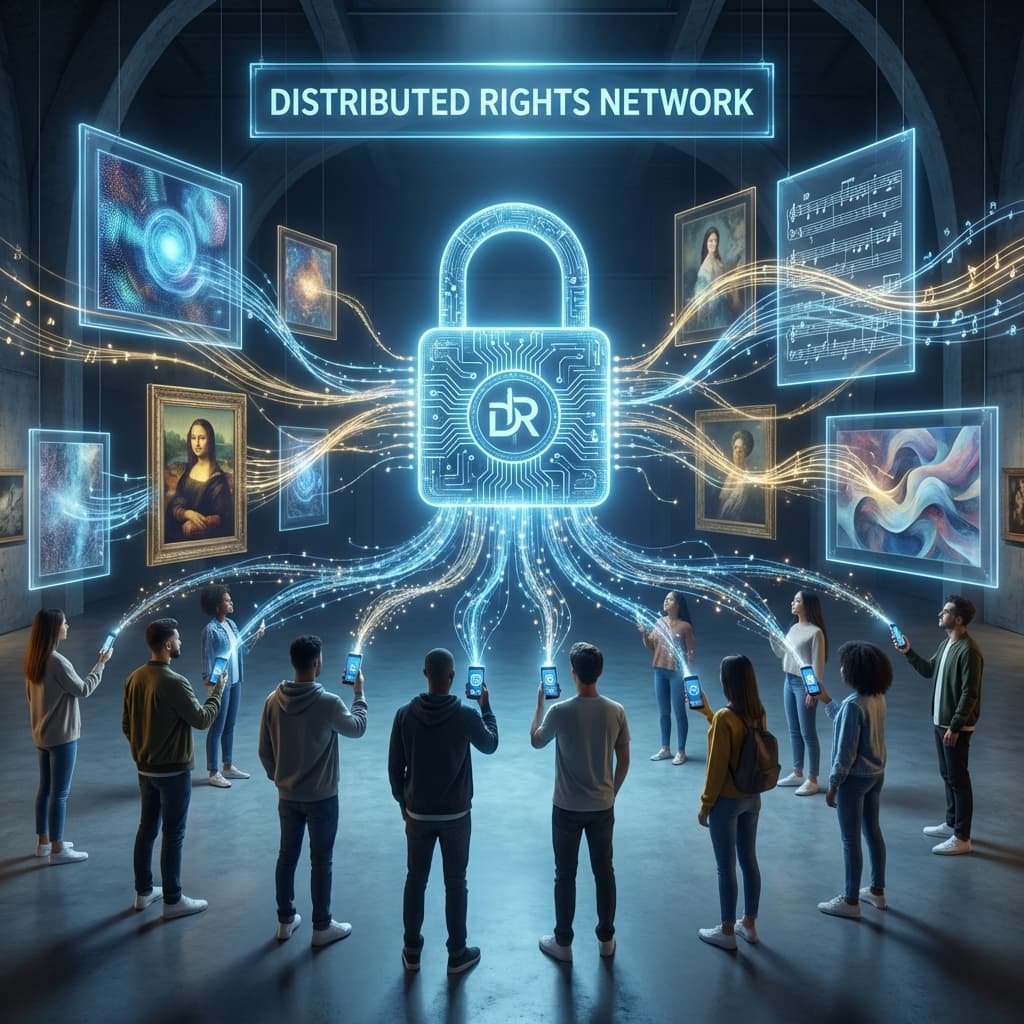
Executive Summary: The NFT market of 2026 bears little resemblance to the speculative mania of 2021. Today, Non-Fungible Tokens are the legal vessels for Intellectual Property (IP). This article explores how 'IP-NFTs' are automating royalty payments for musicians, fractionalizing patent ownership for scientists, and creating liquid markets for copyright licensing.
Introduction
In the early 2020s, "NFT" was synonymous with digital art profile pictures. By 2026, the technology has grown up. The true utility of the Non-Fungible Token was never the image itself, but the provenance and rights attached to it.
We have entered the era of the IP-NFT. This is a token that doesn't just point to a JPEG, but legally contains the copyright, licensing rights, or royalty claims to a creative work or invention. This shift is dismantling the "Middleman Economy" of record labels, patent trolls, and publishing houses.
The "Smart" Licensing Model
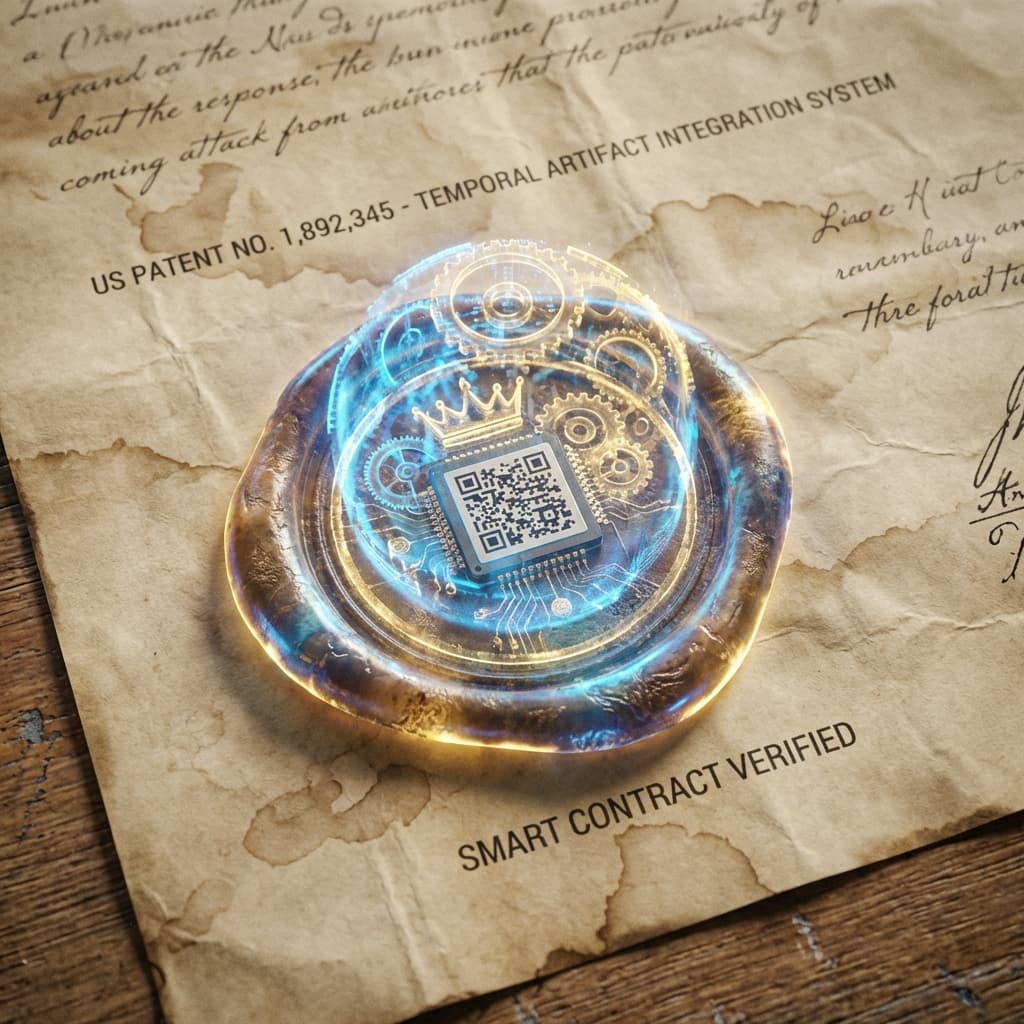
The core innovation is Programmable Licensing. In the old world, if you wanted to use a song in a commercial, you called a licensing agency, negotiated for weeks, and signed a paper contract. In 2026, the song's IP-NFT has a "License" function. You send the required payment (e.g., 500 USDC) to the smart contract, and it instantly mints you a "Sub-License Token" granting you the legal right to use the audio. The payment is instantly split and routed to the artist, the producer, and the songwriter. No emails. No lawyers. Just code.
Traditional IP vs. IP-NFTs (2026)
| Feature | Legacy IP Management | IP-NFT Ecosystem |
|---|---|---|
| Royalty Speed | 3-6 Months (Quarterly checks) | Instant (Real-time streaming) |
| Middleman Fee | 15% - 50% | 0% - 2.5% (Platform/Gas fees) |
| Liquidity | Illiquid (Catalog sales are complex) | Liquid (Trade rights on OpenSea Pro) |
| Transparency | "Black Box" Accounting | 100% On-Chain Audit Trail |
| Fractionalization | Impossible for retail | Buy 1% of a song's rights for $10 |
Use Cases: Music, Science, and Brands
1. Music: The "Invest in Your Idol" Model
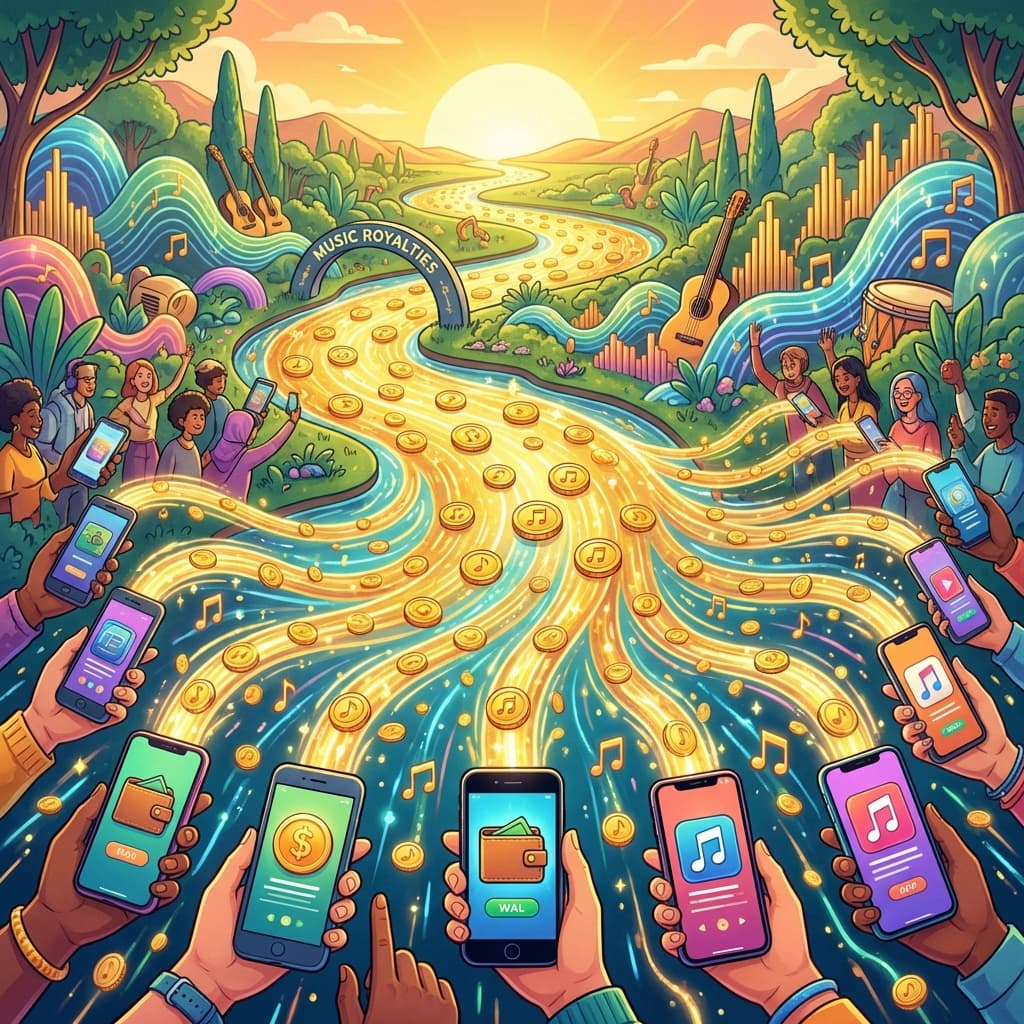
Platforms like Royal and Catalog have matured. Artists now fund their albums by selling "Royalty tokens" to fans. If you bought a token for a breakout hit in 2024, you are now receiving a stream of USDC every time that song is played on Spotify or Apple Music, routed directly to your wallet via the blockchain.
2. Science: DeSci (Decentralized Science)
The Molecule protocol is using IP-NFTs to tokenize early-stage pharmaceutical research. Traditionally, university research sits in a "Valley of Death" waiting for funding. Now, DAOs (Decentralized Autonomous Organizations) purchase the IP-NFT of a new molecule, funding the lab's research in exchange for a stake in the future patent rights. It’s crowdfunding for cures.
3. Brands: The "Commercial Rights" PFP
Projects like Pudgy Penguins pioneered this, but now it's standard. Owning the NFT gives you the unlimited commercial right to use that character. In 2026, we see small businesses built entirely around "renting" the IP of popular digital characters for merchandise, regulated entirely by on-chain rental contracts.
The Legal Wrapper: Tying Code to Law
The biggest hurdle was legal enforceability. Be 2026, frameworks like the "Wyoming DAO Law" and specialized legal wrappers (like KaliDAO) have created a bridge. The metadata of the IP-NFT references a legally binding PDF contract stored inevitably on IPFS. Courts in major jurisdictions now recognize this link: holding the token is holding the contract.
FAQ
Q: If I steal the image, do I own the rights? A: No. Just like photocopying a deed to a house doesn't make you the homeowner. The blockchain record supersedes the visual file.
Q: Can I lose my royalties? A: If you lose access to your wallet, yes. Custody of the private key is custody of the IP rights. This is why institutional IP holders use Multi-Sig wallets or qualified custodians.
Q: Is this copyright infringement? A: No, it's copyright management. The original creator mints the token, explicitly defining the rules of the system.
Conclusion
IP-NFTs are the "Title Deeds" of the digital age. They transform intellectual property from a static legal concept into a liquid, programmable asset class. For creators, it means financial independence. For investors, it opens a new asset class of "Culture Capital." In 2026, the next Beatles catalog won't be owned by a hedge fund; it will be owned by a DAO of fans.

Related Articles
Stablecoins: The New Global Settlement Rails
SWIFT is too slow. Visa is too expensive. In 2026, Stablecoins settle $50 Trillion annually, becoming the default layer for cross-border B2B payments.
BNPL 2.0: The B2B Credit Revolution
Buy Now Pay Later isn't just for sneakers anymore. In 2026, B2B BNPL allows companies to finance cloud costs, inventory, and SaaS subscriptions on-chain.
Tokenized Mortgages 2026: Home Ownership on the Blockchain
The 30-day closing period is history. Tokenized mortgages allow for instant settlement, fractional ownership, and global liquidity for real estate debt.