


Peer-to-Peer Energy Trading: The Decentralized Grid of 2026
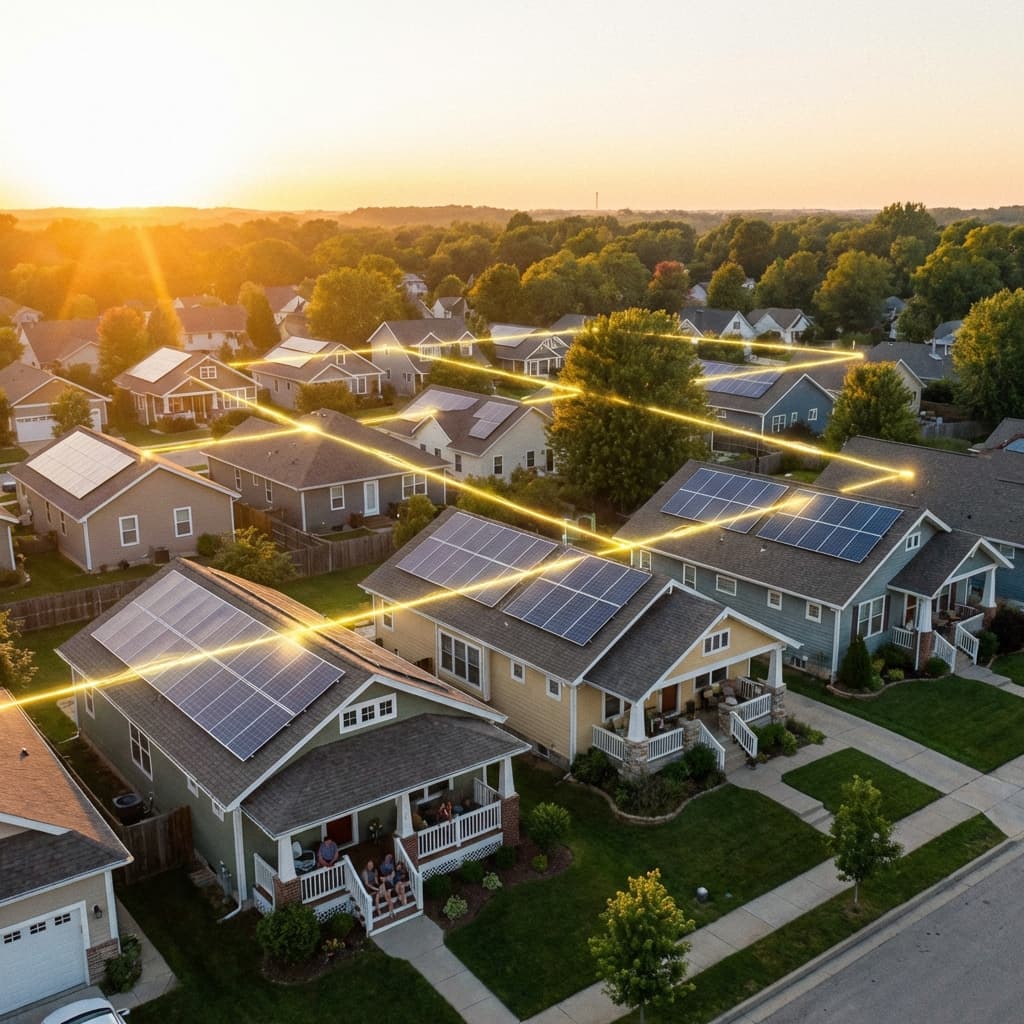
Executive Summary: The centralized power grid is failing under the load of EV charging and AI data centers. The solution is the 'Prosumer.' By 2026, blockchain-enabled Microgrids allow neighbors to trade excess solar energy directly, settling payments in real-time tokens. This report examines Power Ledger, Energy Web, and the hardware driving this revolution.
Introduction
For 100 years, the electricity grid was a one-way street: Power plant -> You. In 2026, it is a web. With the massive adoption of home solar (Tesla Solar Roofs) and home batteries (Powerwalls), millions of households are no longer just consumers; they are Prosumers (Producers + Consumers).
The problem was: selling power back to the grid yielded pennies. The solution: Peer-to-Peer (P2P) Trading. Why sell to the grid for $0.04/kWh when your neighbor will buy it for $0.15/kWh to charge their EV?
The Tech Stack: Smart Meters + Blockchain
This isn't sci-fi; it's software.
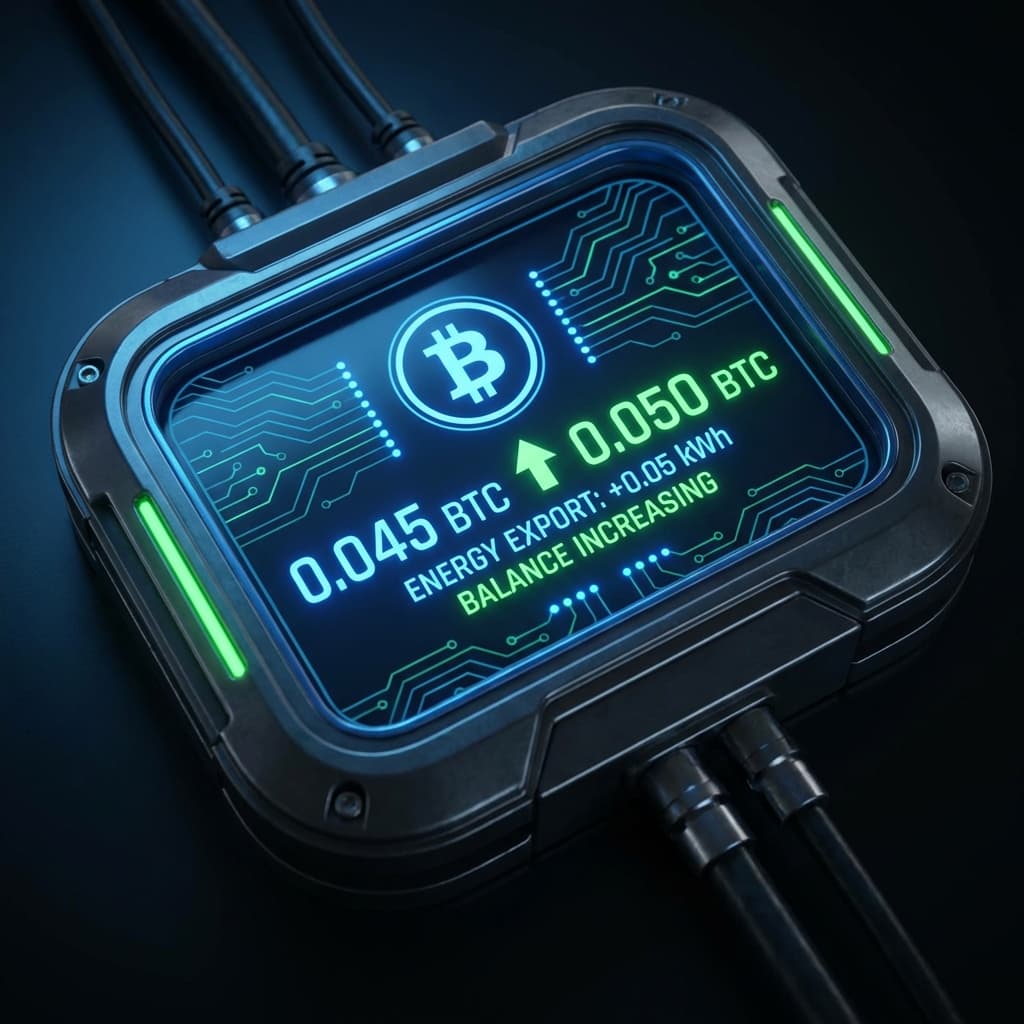
- IoT Smart Meter: Records exactly how much energy you generate and consume every minute.
- Blockchain Ledger: Records the trade. "House A sent 5 kWh to House B."
- Smart Contract: Automatically deducts USDC (or EnergyToken) from House B and sends it to House A.
No phone calls. No utility company "middleman" taking a 40% cut.
Leading Platforms
1. Power Ledger (POWR)
The Australian giant has gone global. In 2026, Power Ledger runs the backend for "uGrid" markets in California and Thailand. Their "xGrid" feature allows you to sell your roof's energy to a specific coffee shop across town, effectively sponsoring their green energy usage.
2. Energy Web Token (EWT)
The enterprise choice. Energy Web connects massive assets—like wind farms and industrial batteries—to the grid. They focus on "Green Proofs," ensuring that the energy you bought actually came from a renewable source, not a coal plant.
3. Rowan Energy
A DePIN newcomer. They invented a "Smart Miner"—a device that sits on your solar setup, verifies energy generation, and mines crypto simultaneously. It tracks carbon offsets at the source.
The "Virtual Power Plant" (VPP)
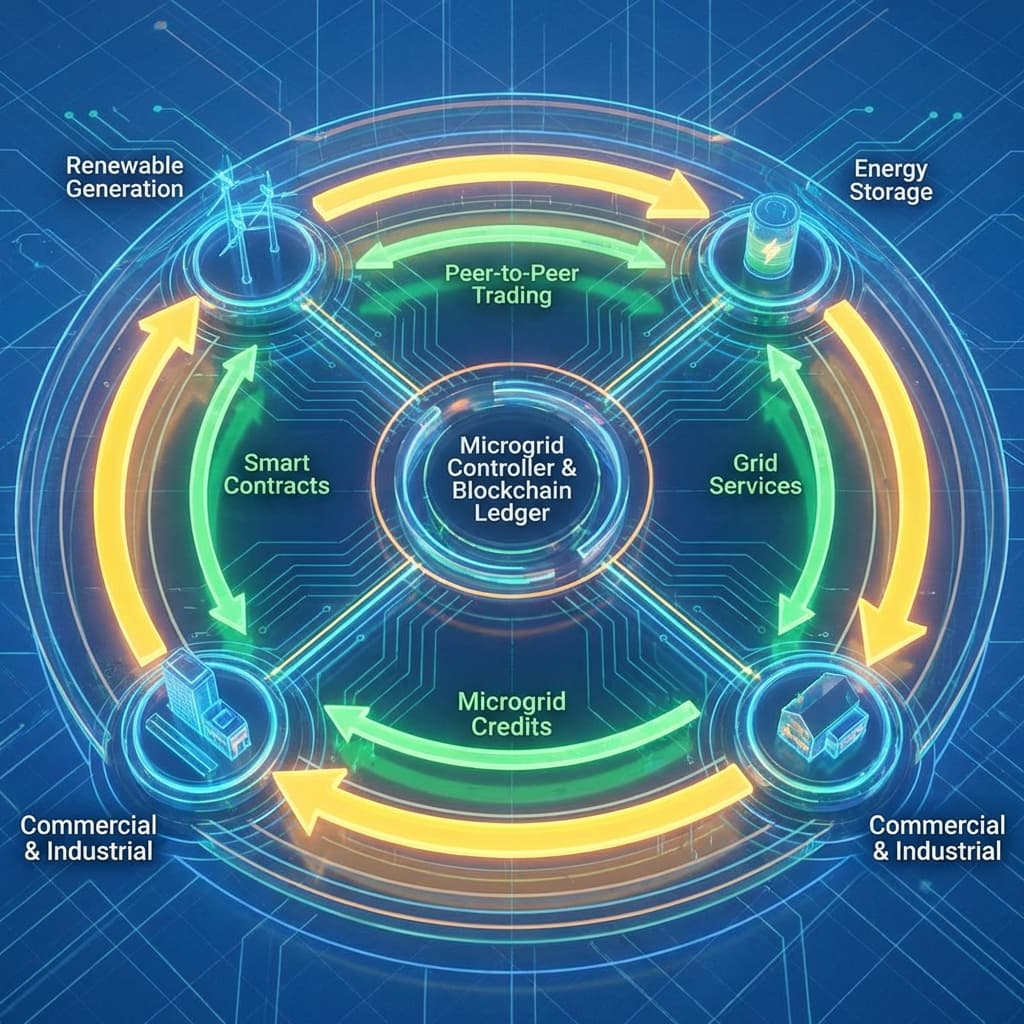
The killer app of 2026 is the VPP. When the grid is stressed (e.g., a heatwave), the utility company usually fires up a dirty gas "Peaker Plant." Now, they ping a VPP smart contract. Instantly, 50,000 home batteries discharge 10% of their stored power back to the grid. The utility pays a "Surge Pricing" premium to the homeowners. It saves the utility billions in infrastructure, and homeowners earn passive income.
FAQ
Q: Do I need to disconnect from the main grid? A: No. It operates over the main grid. You still pay a small "distribution fee" to the utility for using their wires, but the energy cost is settled peer-to-peer.
Q: How much can I earn? A: An average US home with 10kW solar + battery in a P2P market earns ~$1,200/year more than under traditional "Net Metering."
Q: What if the sun doesn't shine? A: The smart contract auto-switches back to the main grid seamlessly. You never lose power; you just pay the market rate.
Q: Is Tesla involved? A: Yes. Tesla's "Autobidder" software basically runs a proprietary P2P market for Powerwall owners. Blockchain protocols are trying to build the "Open Source" version of this.
Conclusion
P2P Energy Trading is the ultimate "Power to the People" movement. By financializing the electron, we have aligned incentives: saving the planet is now the most profitable thing a homeowner can do. In 2026, your house isn't a liability; it's an energy factory.

Related Articles
Stablecoins: The New Global Settlement Rails
SWIFT is too slow. Visa is too expensive. In 2026, Stablecoins settle $50 Trillion annually, becoming the default layer for cross-border B2B payments.
BNPL 2.0: The B2B Credit Revolution
Buy Now Pay Later isn't just for sneakers anymore. In 2026, B2B BNPL allows companies to finance cloud costs, inventory, and SaaS subscriptions on-chain.
Tokenized Mortgages 2026: Home Ownership on the Blockchain
The 30-day closing period is history. Tokenized mortgages allow for instant settlement, fractional ownership, and global liquidity for real estate debt.