
BNPL 2.0: The B2B Credit Revolution
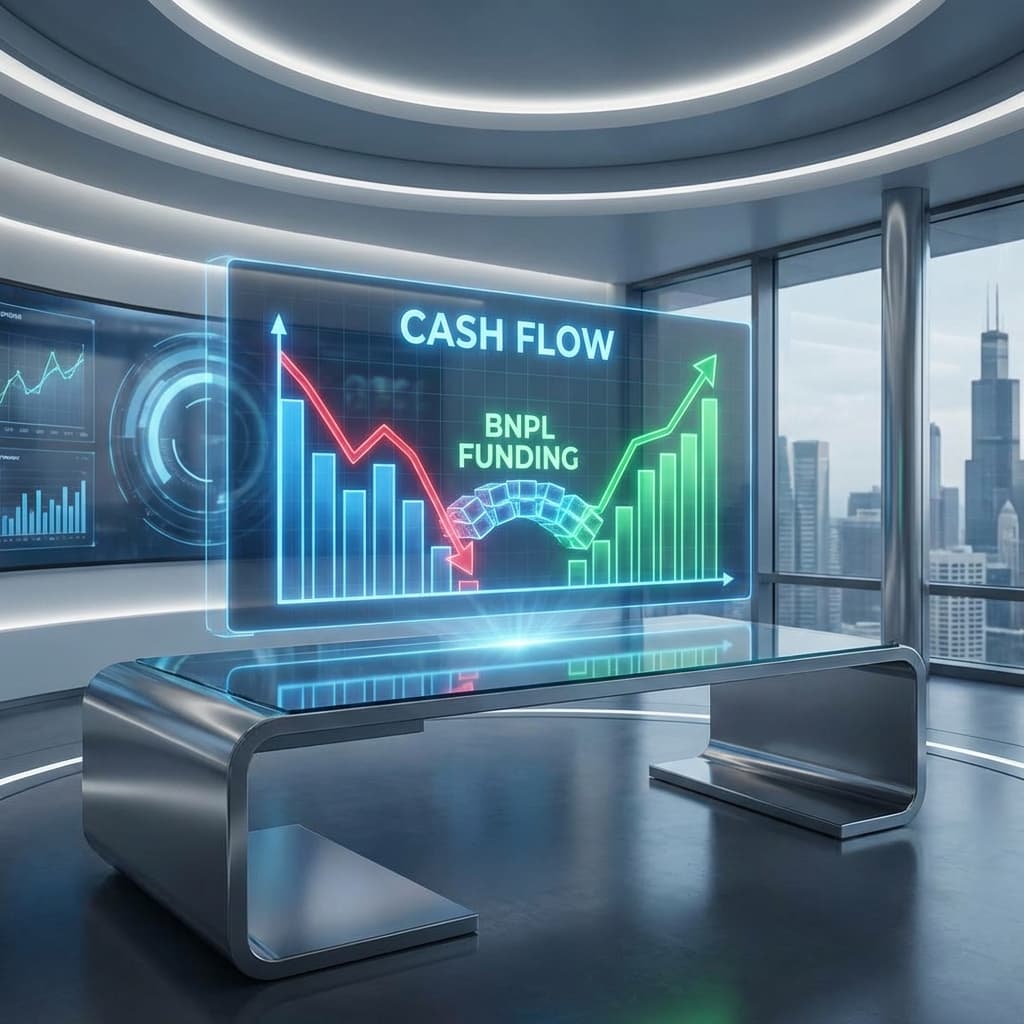
Executive Summary: The consumer "Buy Now Pay Later" boom of 2021 collapsed under bad debt. But out of the ashes rose BNPL 2.0—strictly for Business-to-Business (B2B). Companies use on-chain reputation and cash flow streaming to finance operational costs instantly. This is "Working Capital as a Service."
Introduction
Startups die because they run out of cash, not because they lack profit. You land a huge contract with Walmart, but you need to buy inventory now. Walmart pays in 60 days. You are stuck. Consumer BNPL (Klarna/Affirm) lets you buy shoes. B2B BNPL lets you buy the factory to make the shoes.
In 2026, this sector has moved on-chain because smart contracts can "garnish" revenue streams automatically, lowering risk.
How B2B BNPL Works
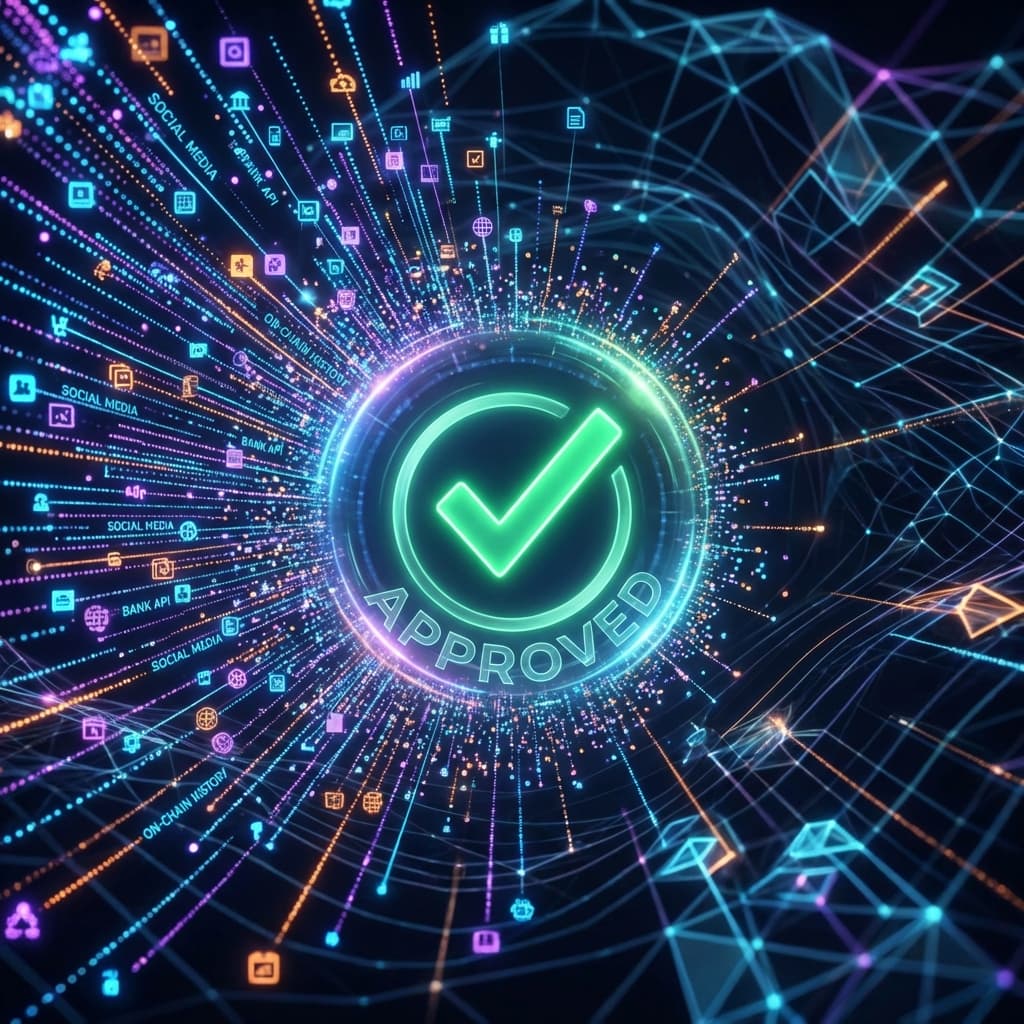
- Underwriting: You connect your business bank account (Open Banking) and your crypto wallet to the protocol.
- Scoring: AI analyzes your revenue consistency. It sees you have $50k MRR (Monthly Recurring Revenue).
- The Offer: The protocol offers you "Pay in 4" for your $20,000 Amazon Web Services (AWS) bill.
- Execution: The protocol pays AWS directly. You repay the protocol in 4 weekly installments + 1% fee.
The Crypto Edge: Revenue Streaming
Why use crypto? Superfluid Finance. With programmable money, the repayment isn't a manual bank transfer. It is a Stream. The protocol intecepts 10% of your incoming revenue stream every second until the debt is paid.
- Lower Risk: Lenders get paid first, before the CEO buys a ping pong table.
- Lower Rates: Because risk is lower, interest rates drop from 15% (Credit Card) to 6% (BNPL 2.0).
Top Protocols
- Plaid-Fi: (Not the Web2 Plaid). A DeFi aggregator that uses banking data to underwrite on-chain loans.
- Loop: Purpose-built for SaaS companies. It allows startups to convert their annual subscriptions into upfront cash. If a customer signs a $12k/year contract, Loop gives you $11k today.
- Backflow: Focuses on logistics. It pays shipping fees for exporters instantly, collecting repayment when the goods arrive.
Integration with Stablecoins
The entire ecosystem runs on Payment Stablecoins (PYUSD, USDC). Because settlement is instant (Solana/Base), a supplier in Germany can offer BNPL terms to a buyer in Brazil without waiting 5 days for SWIFT. The "Credit Check" is global and instant via the blockchain history.
FAQ
Q: Is this risky for the lender? A: Less risky than consumer loans. Businesses prioritize essential bills (AWS, Inventory) over luxury goods. Default rates in B2B BNPL are <1%.
Q: Can I use this for payroll? A: Yes. "Payroll Financing" is a huge use case. Borrow to pay staff, repay when client invoices clear.
Q: Does it affect my credit score? A: Yes. On-chain credit history is now aggregated by credit bureaus like Experian. A good repayment history on-chain helps you get cheaper bank loans off-chain.
Q: Who funds this? A: Usually, institutional liquidity pools looking for high-yield, short-duration exposure (similar to Factoring).
Conclusion
BNPL 2.0 is the "lubricant" of the B2B economy. By smoothing out cash flow volatility, it allows businesses to grow at the speed of their ambition, not the speed of their bank balance.

מאמרים קשורים
Stablecoins: The New Global Settlement Rails
SWIFT is too slow. Visa is too expensive. In 2026, Stablecoins settle $50 Trillion annually, becoming the default layer for cross-border B2B payments.
Tokenized Mortgages 2026: Home Ownership on the Blockchain
The 30-day closing period is history. Tokenized mortgages allow for instant settlement, fractional ownership, and global liquidity for real estate debt.
Tokenized Invoice Factoring: Supply Chain Finance on Autopilot
Small businesses wait 90 days to get paid. DeFi pays them in 9 seconds. See how tokenized invoices are solving the $1.7 Trillion trade finance gap.