South Korea's AML Proposal Sparks Industry Backlash
🤖This content was generated by TradingMaster AI based on real-time market data. While we strive for accuracy, please verify important financial information from the original source.
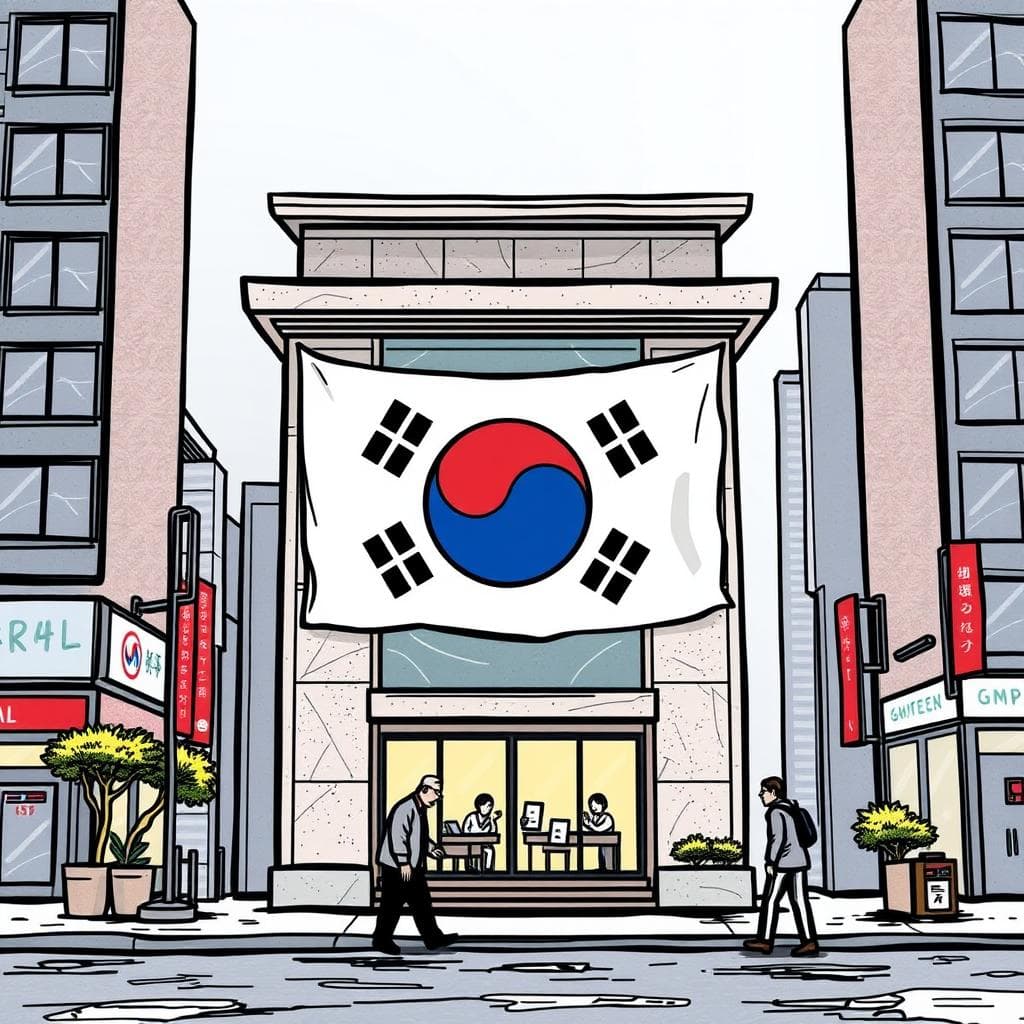
South Korea's crypto industry is pushing back against proposed anti-money laundering (AML) rules, warning they could overwhelm exchanges with excessive reporting requirements. According to a Yonhap report, the Digital Asset eXchange Alliance (DAXA) estimates the new regulations could force the country's five largest exchanges to file over 5.4 million suspicious transaction reports annually. This would represent a dramatic increase from current levels, potentially straining compliance operations and hindering market efficiency.
The proposal, aimed at strengthening AML controls, has drawn criticism for being overly broad and impractical. Industry experts argue that the rules could inadvertently label routine transactions as suspicious, creating unnecessary burdens without proportionally enhancing security. If implemented, the regulations may drive trading activity to unregulated platforms or offshore exchanges, undermining the very oversight they seek to establish.
As the debate unfolds, market participants should monitor regulatory developments closely. A heavy-handed approach could dampen investor sentiment and reduce liquidity in South Korean crypto markets, though a more balanced outcome remains possible. The final impact will depend on whether regulators adjust the proposal based on industry feedback.
Latest Market Intelligence
LG and Arbitrum Target $679B Ad Market
LG and Arbitrum are launching a blockchain platform targeting the $679 billion advertising market.
BTC at Risk as Tech Rout and ETF Outflows Pressure $60K
Bitcoin's failure to hedge against tech losses and ETF outflows puts the $60K support at risk.
Altman Weighs Price Cuts Amid AI Competition
Sam Altman's token price cuts to compete with Anthropic may be undercut by DeepSeek's free model, signaling a price war in AI.