
Zero-Knowledge Proofs: Privacy is the New Scalability
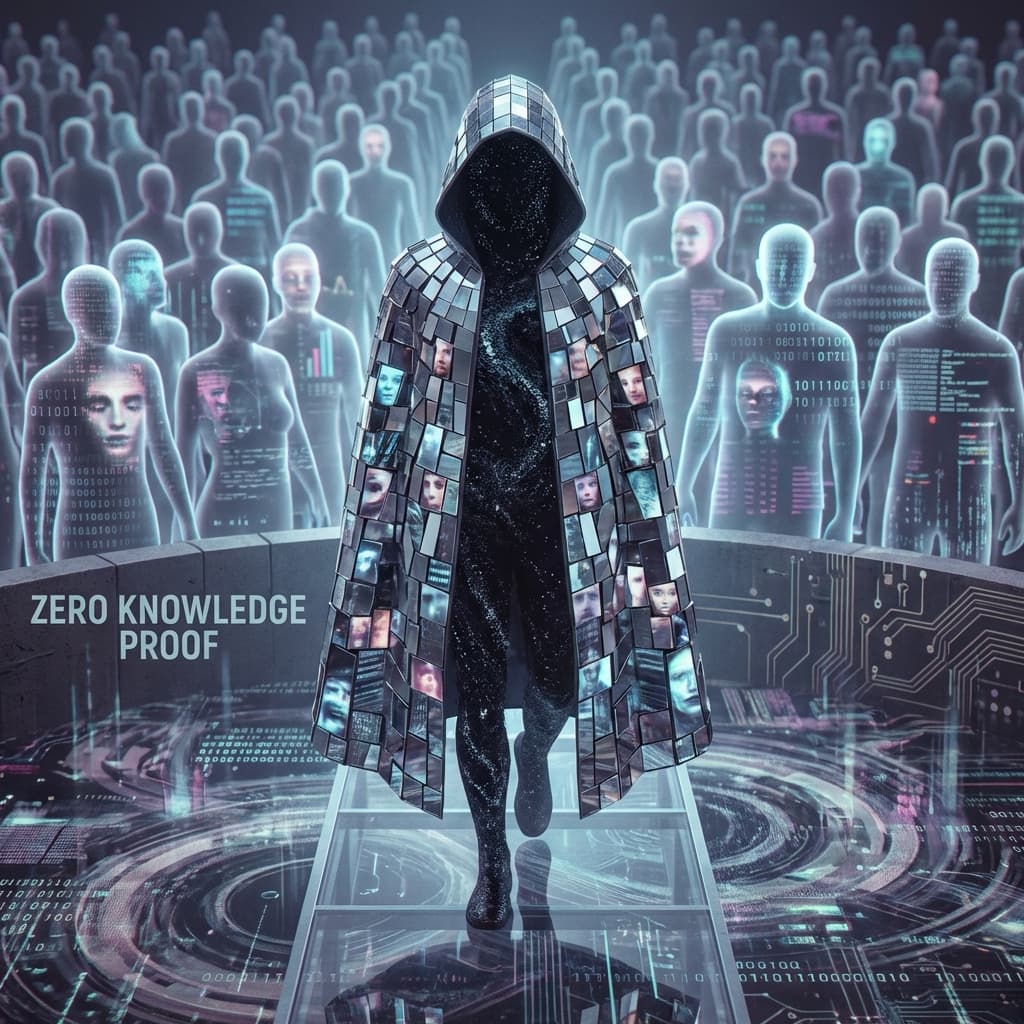
Executive Summary: Zero-Knowledge Proofs (ZKPs) were once academic math magic. In 2026, they are the substrate of the decentralized internet. They solve the two biggest blockers of blockchain: Privacy (hiding data) and Scalability (compressing data).
Introduction
"Prove you are over 21 without showing your ID." In the physical world, this is impossible. You hand the bouncer your ID, and he sees your name, address, and birthdate. Too much info. With Zero-Knowledge Proofs, you generate a cryptographic token that says "True: Age > 21." The bouncer verifies the token. He learns nothing else.
In 2026, ZK is everywhere.
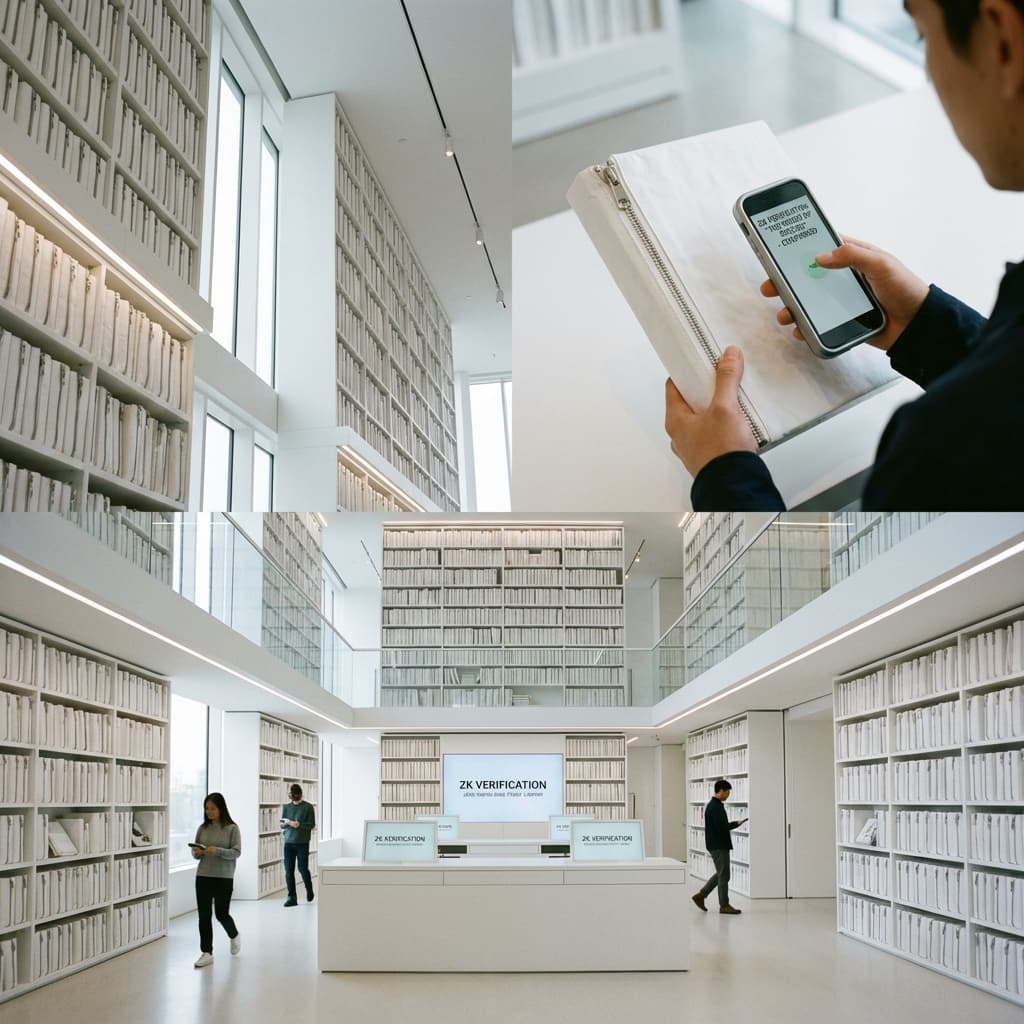
The Two Pillars of ZK
1. ZK for Scalability (Rollups)
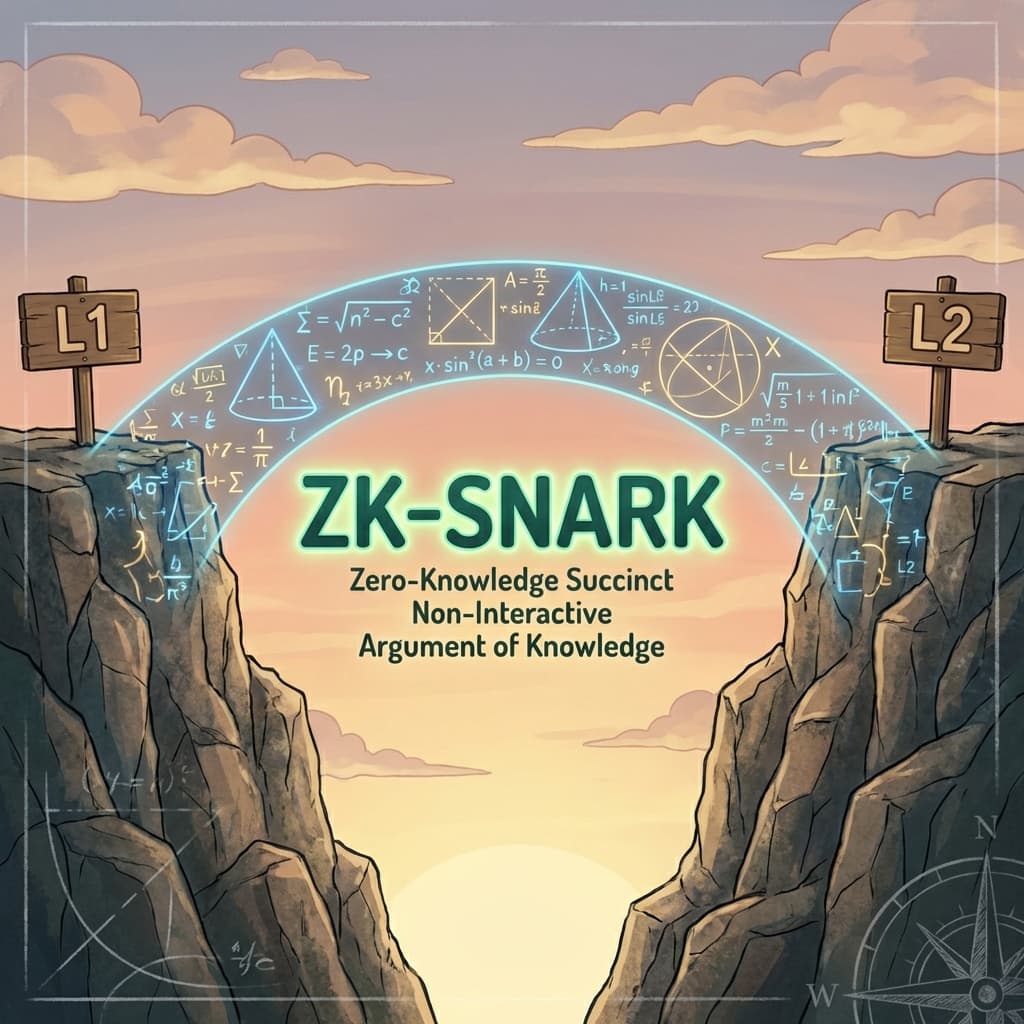
ZK-Rollups (like zkSync, Starknet, Scroll) process 10,000 transactions off-chain. They generate a tiny "Validity Proof" (a SNARK or STARK) that certifies all 10,000 trades were valid. They post only the proof to Ethereum. This compression allows Ethereum to handle NASDAQ-level throughput.
2. ZK for Privacy (The "Dark" Web3)
Public blockchains are public. If I pay you, you see my balance. Aztec and Midnight are privacy-first chains. They use ZKPs to encrypt the values.
- Payroll: A company pays employees on-chain. The blockchain records "Wallet A paid Wallet B," but the amount is hidden. The proof ensures Wallet A actually had the funds.
ZK-KYC: Compliance without Doxing
This is the holy grail for Institutional DeFi. ZK-ID. I upload my passport to a trusted issuer (like Coinbase or a Government portal). They give me a ZK-Attestation: "User is a US Citizen, Non-Sanctioned." I present this attestation to a DeFi protocol. The protocol verifies it and lets me trade. Result: The protocol knows I am compliant, but does not know who I am. Regulatory compliance meets cypherpunk privacy.
Hardware Acceleration
ZK proofs are math-heavy. Generating them used to take minutes. Now, we have ZK-ASICs. Specialized chips (like Bitcoin miners, but for ZK) that sit in our phones and laptops. This allows "Client-Side Proving." Your phone generates the proof locally, so your private data never leaves your device.
FAQ
Q: What is the difference between SNARK and STARK?
- SNARK: Smaller proofs, faster verification, but requires a "Trusted Setup" (initially).
- STARK: Larger proofs, quantum-resistant, no trusted setup. Invented by StarkWare. In 2026, STARKs are winning for high-volume scaling.
Q: Is Monero a ZK coin? A: Monero uses Ring Signatures, an older privacy tech. ZK is more flexible because it is programmable (you can build smart contracts with it).
Q: Will governments ban ZK? A: They tried (Tornado Cash). But ZK-Compliance (proving you aren't a criminal without revealing your name) is actually embraced by privacy-conscious regulators in the EU (GDPR compatibility).
Conclusion
Zero-Knowledge is the encryption layer of the next web. It allows us to resolve the tension between "Transparency" (Public Blockchains) and "Privacy" (Human Rights). We can finally have both.

Klaar om Je Kennis in de Praktijk te Brengen?
Begin vandaag met vertrouwen AI-aangedreven handel
BeginGerelateerde Artikelen
Gedecentraliseerde Identiteit (DID) en Soulbound Tokens: Je bent geen Wallet
Het tijdperk van 'Inloggen met Google' loopt ten einde. Ontdek hoe DID's je eigenaar maken van je digitale zelf en reputatie over het web mogelijk maken.
Quantum-veilige Blockchains: Voorbereiden op Q-Day 2030
Quantumcomputers zullen Bitcoin-encryptie kraken. Hier is de overlevingsgids. Hoe Ethereum en Algorand migreren naar Post-Quantum Cryptography (PQC).
Account Abstractie (ERC-4337): De dood van de Seed Phrase
We hebben eindelijk het UX-probleem opgelost. Leer hoe Smart Accounts sociaal herstel, gasloze transacties en biometrische ondertekening mogelijk maken in 2026.