

Private Credit Tokenization: Institutional Yield for the Mass Affluent
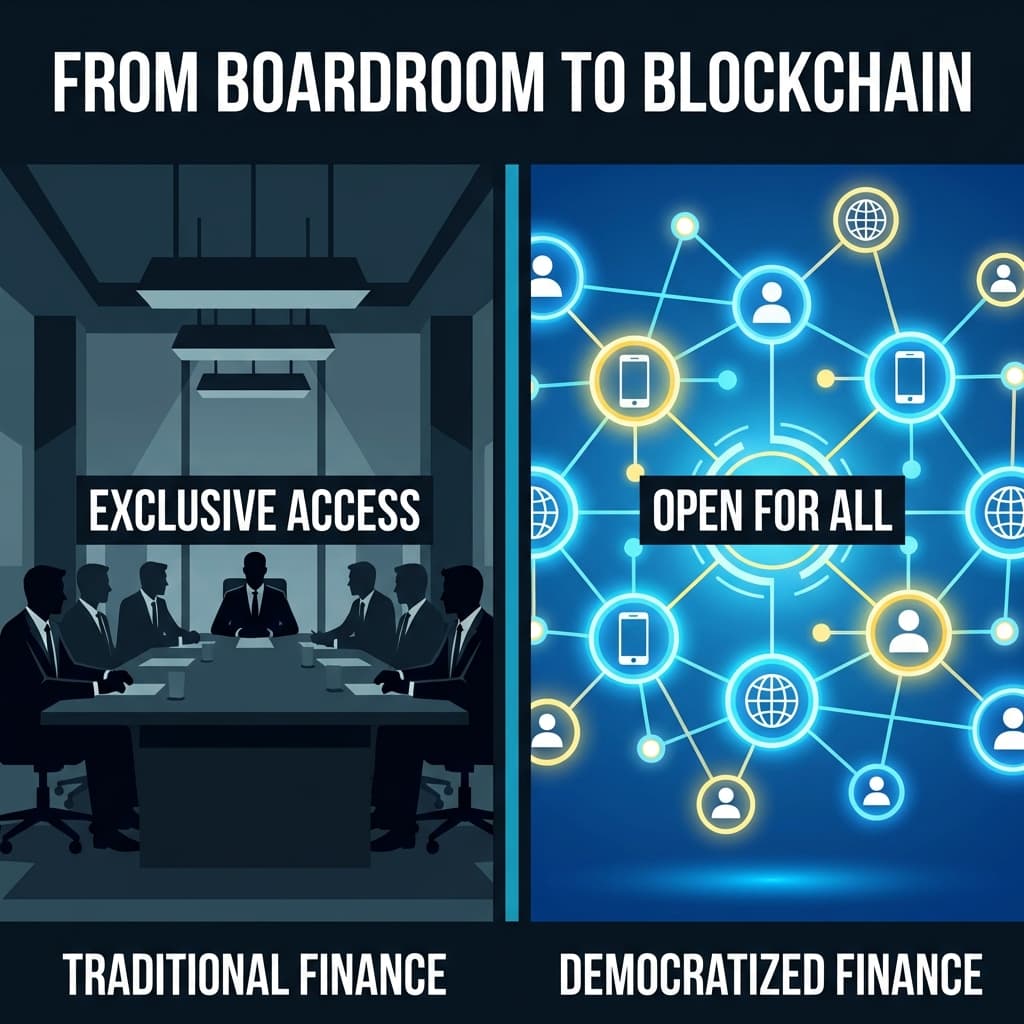
Executive Summary: By 2026, private credit has become the largest sector within Real-World Asset (RWA) tokenization, surpassing even US Treasuries in total value locked (TVL). This article explores how platforms like Centrifuge and Goldfinch have democratized access to corporate debt, offering consistent, uncorrelated yields to the 'mass affluent' investor.
Introduction
For decades, "Private Credit"—direct lending to companies outside the traditional banking system—was a velvet-roped VIP section. Without a net worth of $5 million or more, you were barred from entry. But in 2026, the velvet rope has been cut by blockchain technology.
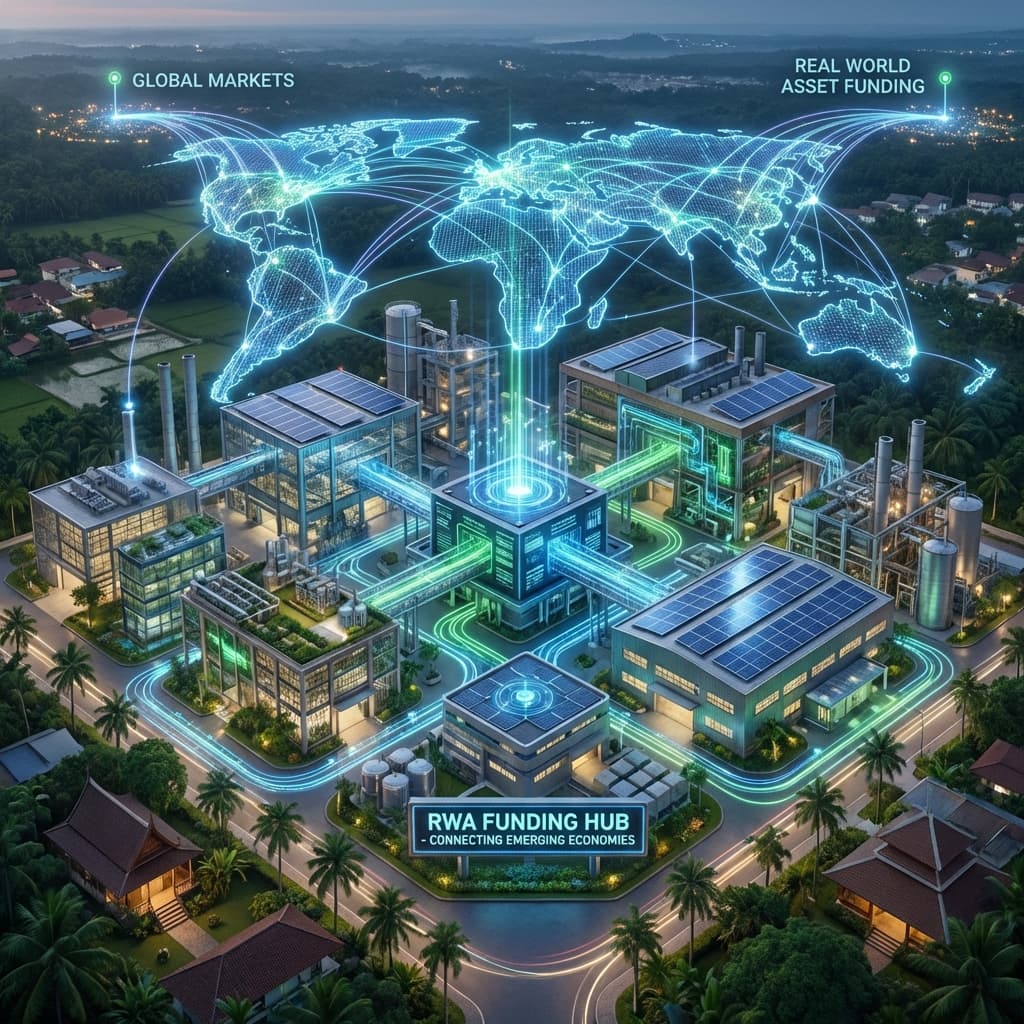
Private Credit Tokenization has emerged as the "killer app" for DeFi yields. As crypto-native yields compressed and algorithmic stablecoins faced regulatory extinction, investors pivoted to the one thing the blockchain couldn't print: Real-World Economic Activity. Today, your stablecoins can fund a fintech startup in Lagos, a cargo shipment in Singapore, or a green energy grid in Texas, all while earning yields (8-14%) that are uncorrelated with the volatility of Bitcoin or Ethereum.
The Shift: From Speculation to Sustainable Yield
The defining characteristic of the 2026 DeFi market is the "Real Yield" narrative. Investors are tired of inflationary governance tokens. They want returns paid in USDC, derived from actual profit margins of real businesses.
The Access Revolution: Traditional vs. Tokenized
| Market Feature | Traditional Private Credit | Tokenized Private Credit (2026) |
|---|---|---|
| Minimum Ticket | $1,000,000+ | $500 - $1,000 |
| Liquidity | 5-7 year lock-up periods | Quarterly liquidity or secondary markets |
| Transparency | Quarterly PDF reports (opaque) | Real-time on-chain loan performance |
| Sourcing | Local / Regional banks | Global Liquidity Pools |
| Settlement | Weeks (Legal red tape) | Minutes (Smart Contract execution) |
Leading Platforms of 2026
The landscape is dominated by protocols that have proven their underwriting rigor over multiple cycles.
1. Centrifuge (The Infrastructure Layer)
Centrifuge remains the backbone of the industry. By 2026, they aren't just a platform; they are the "operating system" for on-chain credit. Their Centrifuge Prime service allows traditional DAOs (like Aave or Maker) to legally onboard RWAs. Their localized "pools" finance everything from inventory for Amazon sellers to structured credit for auto loans.

2. Goldfinch (The Emerging Market Engine)
Goldfinch has scaled by solving the "trust" gap. Their "trust through consensus" mechanism allows Borrowers to demonstrate creditworthiness without initially over-collateralizing with crypto. In 2026, they are the primary financier for non-bank lenders in emerging markets (Africa, SE Asia, LatAm), bringing global capital to high-growth, credit-starved regions.
3. Credix (The Institutional Gateway)
Credix focuses strictly on connecting institutional lenders with fintech originators in Latin America. Their adoption of "legal-tech" wrappers ensures that every tokenized loan is enforceable in local courts, a critical feature that has attracted pension funds and family offices to their liquidity pools.
Risks: The "Real World" Can Defaults
Unlike a crypto loan where a smart contract automatically liquidates collateral if the price drops, you cannot "liquidate" a factory in Vietnam instantly via code.
- Default Risk: Real businesses fail. If a borrower defaults, the recovery process is legal, slow, and offline.
- Liquidity Mismatches: You might want your money back today, but the underlying loan is for 2 years. Protocols use "epoch" systems to manage withdrawals, but liquidity crunches are a real risk.
- Currency Risk: Providing USDC (Dollar) loans to companies earning revenue in Nigerian Naira or Brazilian Real exposes the borrower to FX risk, which can lead to default if the local currency crashes.
Future Outlook: The "Credit Score" NFT
The next frontier is Identity. By late 2026, we are seeing the rise of Soulbound Tokens (SBTs) that carry a borrower's on-chain repayment history. This creates a portable, global credit score. A business that repays a Goldfinch loan on time mints a "Reputation Credential," allowing them to get cheaper rates on Aave or Credix next time.
FAQ
Q: Is my principal guaranteed? A: No. Private credit carries default risk. Platforms typically have a "Junior/Senior" tranche system. If you invest in the "Senior" tranche, you are paid first and safer, but earn less. "Junior" investors take the first loss but earn higher yields.
Q: How is this different from staking ETH? A: Staking rewards come from network inflation and transaction fees (crypto economy). Private credit yield comes from interest paid by real-world borrowers (real economy). They are fundamentally different risk profiles.
Q: Do I need to be an Accredited Investor? A: For many "Senior" pools, yes under US law. However, international users or users interacting with "permissionless" secondary market pools often access these yields without accreditation, depending on their local jurisdiction.
Q: What happens if a borrower refuses to pay? A: The protocol's legal delegates (off-chain entities) initiate foreclosure or legal proceedings in the real world jurisdiction to seize assets.
Q: Can I use these tokens in DeFi? A: Yes! This is the "money lego" magic. You can often pledge your private credit position (e.g., a Centrifuge Drop token) as collateral on a lending protocol to borrow cash while still earning the yield (though this adds leverage risk).
Conclusion
Private credit tokenization is the bridge that brings the $800 trillion global financial market on-chain. For the "mass affluent" investor in 2026, it offers a rare opportunity: the ability to earn the returns of a private equity firm with the convenience of a crypto wallet. As the infrastructure hardens and legal frameworks standardize, the line between "DeFi" and "FinTech" will vanish entirely.

Relaterade Artiklar
Stablecoins: Nya Globala Avvecklingsskenor
SWIFT är för långsamt. Visa är för dyrt. År 2026 avvecklar Stablecoins $50 Biljoner årligen och blir standardlagret för gränsöverskridande B2B-betalningar.
BNPL 2.0: B2B-Kreditrevolutionen
Köp Nu Betala Senare är inte längre bara för sneakers. År 2026 låter B2B BNPL företag finansiera molnkostnader, lager och SaaS-prenumerationer på kedjan.
Tokeniserade Bolån 2026: Bostadsägande på Blockkedjan
30-dagars stängningsperiod är historia. Tokeniserade bolån möjliggör omedelbar avveckling, delat ägande och global likviditet för fastighetsskuld.