


Cross-Border Stablecoin Payments vs. SWIFT 2026

Executive Summary: The correspondent banking network (SWIFT gpi) is losing its monopoly. In 2026, multinational corporations are shifting to Stablecoin Settlement Rails (USDC/PYUSD) for cross-border liquidity. This report analyzes the cost structures, settlement speeds, and FX efficiencies driving the "De-Dollarization of Messaging" in favor of the "Dollarization of Value".
1. Introduction: The Weekend Gap
For 50 years, global trade paused on Friday evening. If a Singaporean supplier needed payment from a German buyer, nothing moved until Monday morning. In the 24/7 economy of 2026, this "Weekend Gap" is an unacceptable friction.

Stablecoins have solved this. By moving "Tokenized Commercial Bank Money," businesses can settle invoices on Christmas Day at 3:00 AM for pennies. The narrative has shifted from "Crypto is volatile" to "Crypto is the fastest rail for Fiat."
2. Core Analysis: The Death of Correspondent Banking
2.1 The Relay Race vs. The Teleport
SWIFT is a messaging system, not a movement of money. It relies on a chain of correspondent banks, each taking a fee and adding delay (The Relay Race). Blockchain settlement is atomic. The asset moves from Wallet A to Wallet B directly, peer-to-peer (The Teleport).
2.2 Payment vs. Settlement
- SWIFT: Payment happens now; Settlement happens T+2.
- Stablecoins: Payment and Settlement happen simultaneously (T+0). This frees up trillions in "trapped capital" that corporations previously held in nostro/vostro accounts just to facilitate liquidity.
2.3 Cost Comparison 2026 (Transaction: $10,000 USD to EUR)
| Feature | SWIFT (Traditional) | Stablecoin Rail (Solana/Base) |
|---|---|---|
| Fees | $25 - $50 (Wire fee) | < $0.01 (Gas fee) |
| FX Rate | Bank Rate (Spread ~2%) | DEX Rate (Spread ~0.05%) |
| Time | 1-3 Business Days | 400 Milliseconds |
| Transparency | Low (Where is my money?) | Perfect (On-chain tracking) |
| Availability | Banking Hours (9-5) | 24/7/365 |

3. Technical Implementation: The FX Aggregator
Modern treasuries use "FX Aggregators" that route fiat-to-stablecoin conversions.
# 2026 Corporate Treasury Strategy
def settle_invoice(invoice_amount, recipient_chain):
    # Check Gas vs Wire Cost
    if recipient_chain == 'Solana':
        cost = 0.00025
    else:
        cost = 25.00 # Wire

    if cost < 1.00:
        print("Routing via Stablecoin Rail...")
        # Execute atomic swap USDS -> EUROC
        send_on_chain(invoice_amount, currency='EUROC')
    else:
        print("Fallback to SWIFT")
4. Challenges & Risks: The "Off-Ramp" Problem
The blockchain part is instant. The banking part (converting USDC back to Fiat in a bank account) is still slow in some jurisdictions. This is known as the "Last Mile Problem."
- Solution: Fintech cards (Visa/Mastercard crypto integration) allow spending stablecoins directly without ever off-ramping to a bank account.
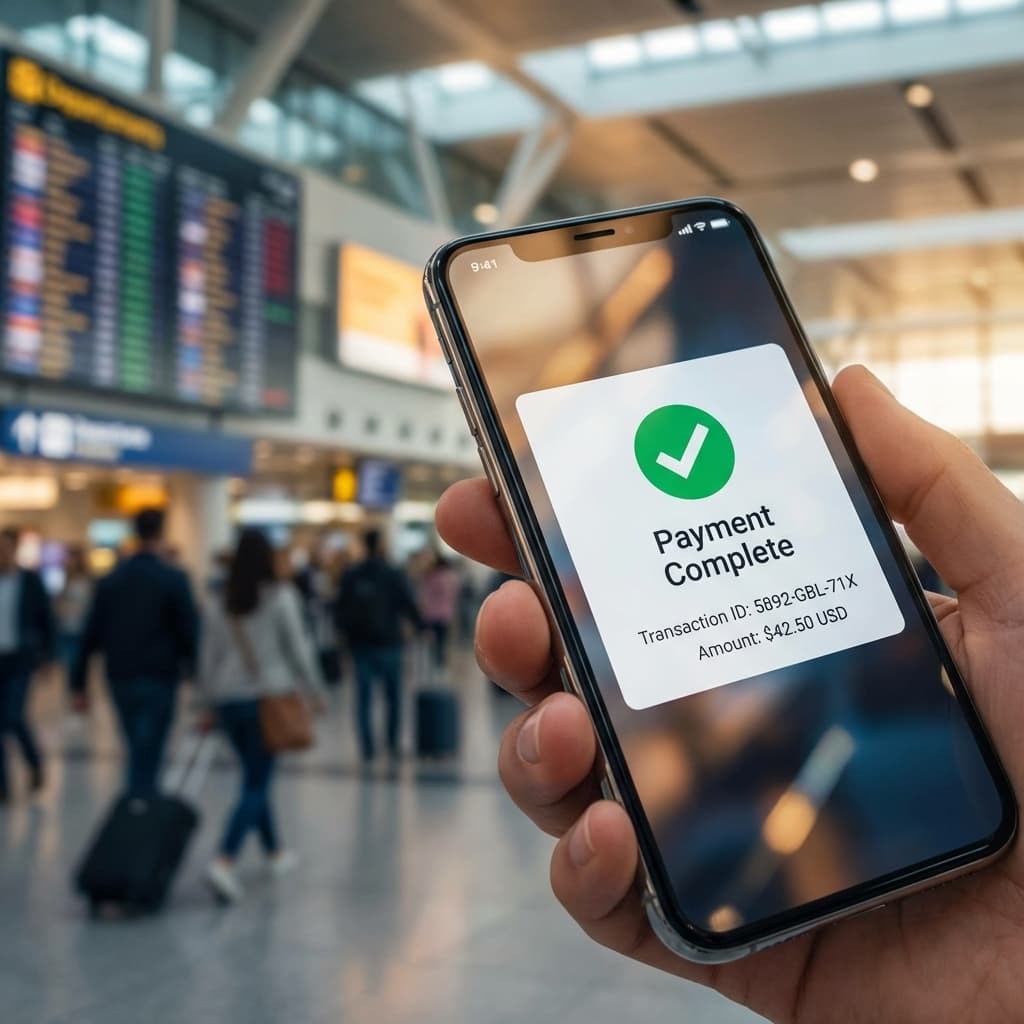
5. Future Outlook: CBDC Interoperability
By late 2026, we expect CBDCs (Central Bank Digital Currencies) to bridge with public stablecoins. The "mBridge" project in Asia suggests a future where different national currencies swap directly on a shared ledger, potentially bypassing the US Dollar as the intermediary unit of account.
6. FAQ: Corporate Adoption
1. Is safe to hold millions in stablecoins? Only in "Systemically Important" stablecoins regulated under the US GENIUS Act or EU MiCA, which mandate 1:1 cash reserves in T-Bills.
2. What about volatility? Stablecoins are pegged. The only volatility is FX risk (USD vs EUR), which exists in SWIFT too.
3. Does this bypass sanctions? No. Issuers like Circle (USDC) and PayPal (PYUSD) have "Freeze" functions to block sanctioned addresses, making them more compliant than cash.
4. Why isn't everyone doing this? Regulatory inertia. Many CFOs are still waiting for clear tax guidelines on "Capital Gains" for currency swaps, though 2026 legislation has clarified much of this.
5. Which chain is best for payments? In 2026, Solana and Base (L2) dominate payments due to sub-cent fees. Ethereum Mainnet is reserved for high-value institutional settlement.

Related Articles
Stablecoins: The New Global Settlement Rails
SWIFT is too slow. Visa is too expensive. In 2026, Stablecoins settle $50 Trillion annually, becoming the default layer for cross-border B2B payments.
BNPL 2.0: The B2B Credit Revolution
Buy Now Pay Later isn't just for sneakers anymore. In 2026, B2B BNPL allows companies to finance cloud costs, inventory, and SaaS subscriptions on-chain.
Tokenized Mortgages 2026: Home Ownership on the Blockchain
The 30-day closing period is history. Tokenized mortgages allow for instant settlement, fractional ownership, and global liquidity for real estate debt.