

Regulatory Compliance 2026: MiCA & The GENIUS Act

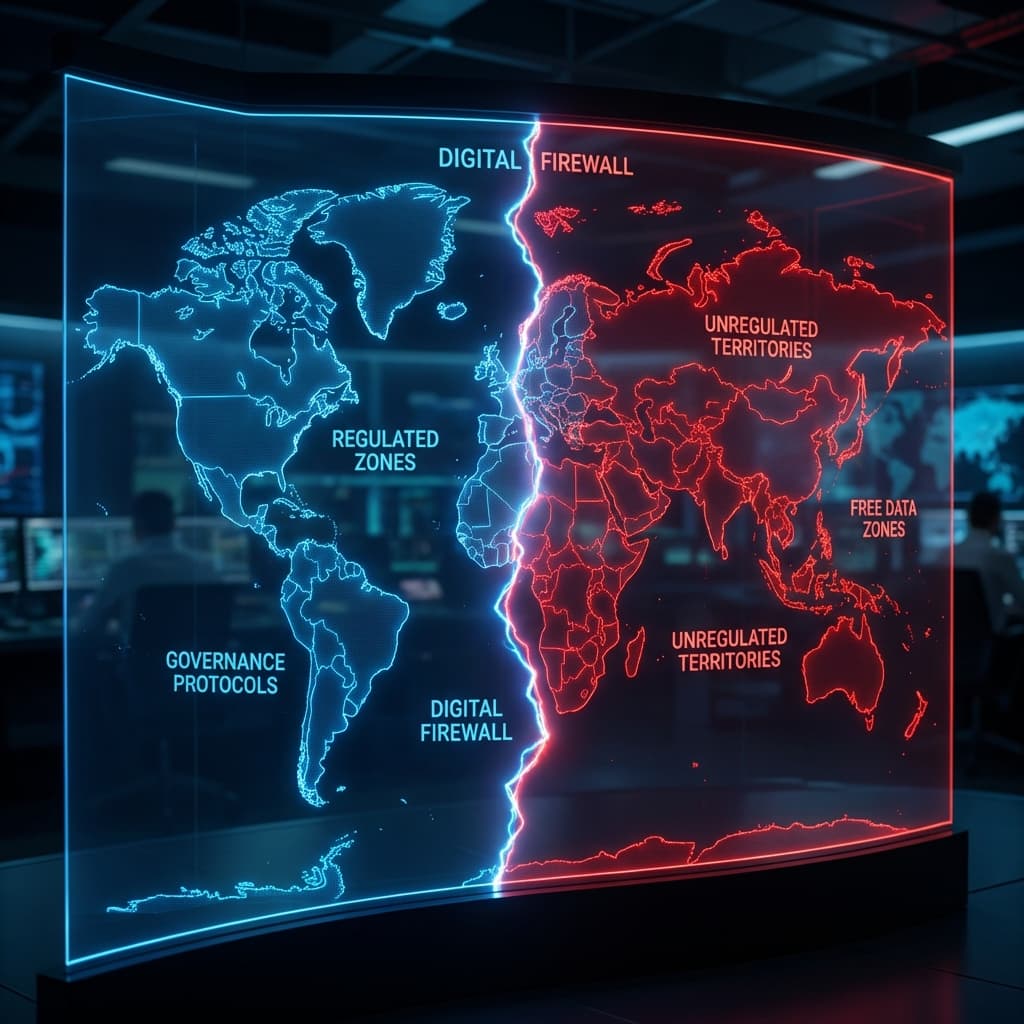
Executive Summary: The "Wild West" era ended in 2025. Today, crypto operates under two massive frameworks: Europe's MiCA and America's GENIUS Act. This guide explains what developers and funds need to know to stay out of jail, focusing on the shift from "Post-Trade Reporting" to "Pre-Trade Filters."
1. Introduction: The Year of the Audit
In 2024, regulators chased bad actors. In 2026, they audit code. The GENIUS Act (Global Enforceable Network Identity & User Standards) mandates that any smart contract handling >$10M TVL must have an "Emergency Pause" function accessible by a multi-sig of licensed guardians.

The debate is over: DeFi is regulated. The question now is: How do we comply without destroying privacy?
2. Core Analysis: The Global Frameworks
2.1 EU MiCA (Markets in Crypto-Assets)
Fully enforceable as of Jan 2026.
- Stablecoins: Only "Electronic Money Tokens" (EMTs) issued by authorized banks (like Circle EU) are legal. Algo-stables are banned.
- CASPs: Crypto Asset Service Providers must report transaction data to ESMA daily.
2.2 US GENIUS Act
Passed in late 2025, this act focuses on DeFi Frontends.
- The Frontend Rule: While the protocol (smart contract) is free speech, the website (frontend) is a broker-dealer. This forces dApps to geoblock US users unless they integrate KYC.
2.3 Compliance Matrix
| Regulation | Region | Focus | Key Requirement |
|---|---|---|---|
| MiCA | EU | Issuers / Stablecoins | 1:1 Reserves + Whitepaper Approval |
| GENIUS Act | USA | DeFi Frontends | KYC / AML Integration |
| VASP Law | Asia (VARP) | Exchanges | Travel Rule (Share sender info) |
| GDPR 2.0 | Global | Privacy | "Right to be Forgotten" on-chain |
3. Technical Implementation: ZK Compliance
The savior of 2026 is Zero-Knowledge (ZK) Compliance. Instead of sending your passport to every dApp, you send it to a "ZK Identity Provider" (like World ID). They issue a "Proof of Human & Not Sanctioned" token.

// 2026 Solidity Compliance Modifier
modifier onlyCompliantUser(address _user) {
    // Check ZK-Proof from Identity Provider
    require(IDRegistry.verifyProof(_user), "User failed compliance check");

    // Check <a href="https://www.chainalysis.com/" target="_blank">Chainalysis</a> Sanctions Oracle
    require(!SanctionsOracle.isSanctioned(_user), "User is sanctioned");
    _;
}
4. Challenges & Risks: The "Unstoppable" Code
What happens if you deploy an immutable contract without compliance features?
- The Blacklist: Regulators blacklist the address. Circle/Tether freeze funds engaging with it. Interaction becomes a felony.
- The Fork: Compliant validators (base layer) may choose to censor transactions to that contract to protect their own licenses.
5. Future Outlook: Regulated DeFi (RDeFi)
We predict that by 2027, Liquidity Pools will be split:
- Permissioned Pools (RDeFi): KYC'd users, massive institutional liquidity (BlackRock/JPM), 4% APY.
- Dark Pools: Anonymous users, high risk, fragmented liquidity, 15% APY.
6. FAQ: Compliance
1. Is TradingMaster compliant? Yes. We integrate Chainalysis reporting tools and restrict access based on user IP and KYC status where required.
2. Can I trade anonymously? Only on "Dark Pool" protocols, but you risk interacting with tainted funds, which may get your wallet frozen by CEXs.
3. What is the Travel Rule? It requires exchanges to share the name of the sender and receiver for any crypto transaction over $1,000.
4. Are DAOs illegal? No, but DAOs with "control" over funds are treated as General Partnerships, meaning token holders have unlimited liability. Most DAOs now wrap themselves in a "Swiss Association" wrapper.
5. What happened to Tornado Cash? It was replaced by Privacy Pools, which use ZK-proofs to prove that your deposit did not come from a hack (see MEV Protection), allowing privacy without protecting criminals.

Related Articles
Crypto Trading Addiction: The Silent Crisis of 2026
When the charts control your life, you've already lost. Recognizing the signs of dopamine-driven trading addiction and actionable strategies to reclaim your mental health.
AI-Powered Explainable Risk Management: Beyond VaR
The Black Box era is over. In 2026, Institutional Risk Management demands Explainable AI (XAI) to detect tail risks invisible to traditional VaR models.
DeFi Insurance Protocols 2026: Protecting Your Yield
Don't yield farm naked. In 2026, DeFi insurance is no longer optional. We review Nexus Mutual v4, Unslashed, and the rise of Parametric Covers.