
RWA Tokenization Platforms 2026: The New Capital Markets
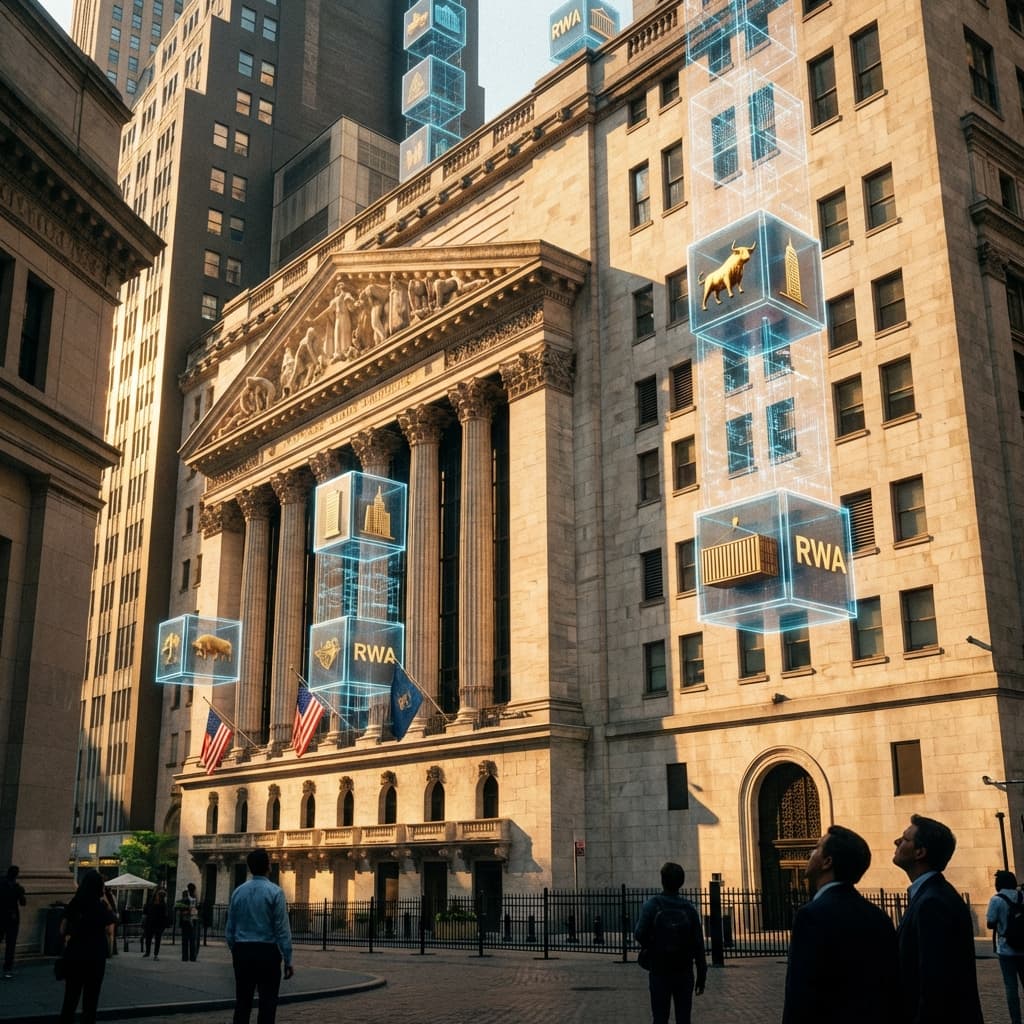
Executive Summary: Real-World Asset (RWA) tokenization has graduated from "pilot project" to "core infrastructure." In 2026, the world's largest asset managers—including BlackRock and Franklin Templeton—are actively tokenizing money market funds and private credit on public blockchains. This report compares the leading platforms facilitating this migration and analyzes the "Liquidity Bridge" thesis that will define the next decade of finance.
1. Introduction: The 100 Trillion Dollar Opportunity
Three years ago, RWA tokenization was a niche narrative. Today, it is the primary driver of institutional blockchain adoption. The thesis is simple: putting assets on a shared, global ledger (blockchain) makes them cheaper to issue, faster to settle (T+0), and easier to use as collateral.
In 2026, we are witnessing the "Great Migration" of private credit, real estate, and U.S. Treasuries onto the chain. This isn't just about crypto; it's about upgrading the "operating system" of global finance.

2. Core Analysis: Leading Platforms of 2026
The market has consolidated around three primary archetypes: The Institutional Gatekeepers, The DeFi Bridges, and The Infrastructure Layers.
2.1 The Gatekeepers: Securitize & Ondo
- Securitize: Partnering with BlackRock, Securitize has become the dominant transfer agent for tokenized securities. Their "BUIDL" fund set the standard for on-chain liquidity.
- Ondo Finance: Focusing on "yield-bearing stablecoins," Ondo Finance allows non-US investors to access US Treasury yield without a brokerage account, purely via permissionless DeFi rails.
2.2 The DeFi Bridges: Centrifuge
- Centrifuge: The leader in tokenized private credit. Centrifuge connects real-world SMEs (Small/Medium Enterprises) needing loans with DeFi liquidity providers, effectively functioning as an on-chain bank.
2.3 Comparison: 2026 RWA Leaders
| Platform | Primary Asset Class | Target User | 2026 Status |
|---|---|---|---|
| Securitize | Funds (BlackRock) | Institutions | Market Leader (TVL > $5B) |
| Ondo Finance | US Treasuries | DeFi Users | "Yield Stablecoin" Standard |
| Centrifuge | Private Credit | DAOs / Lenders | Key DeFi Primitive |
| Goldfinch | Emerging Market Loans | Global | High Yield / High Risk |
| TradingMaster RWA | AI Compute Power | Retail | Niche High-Growth |
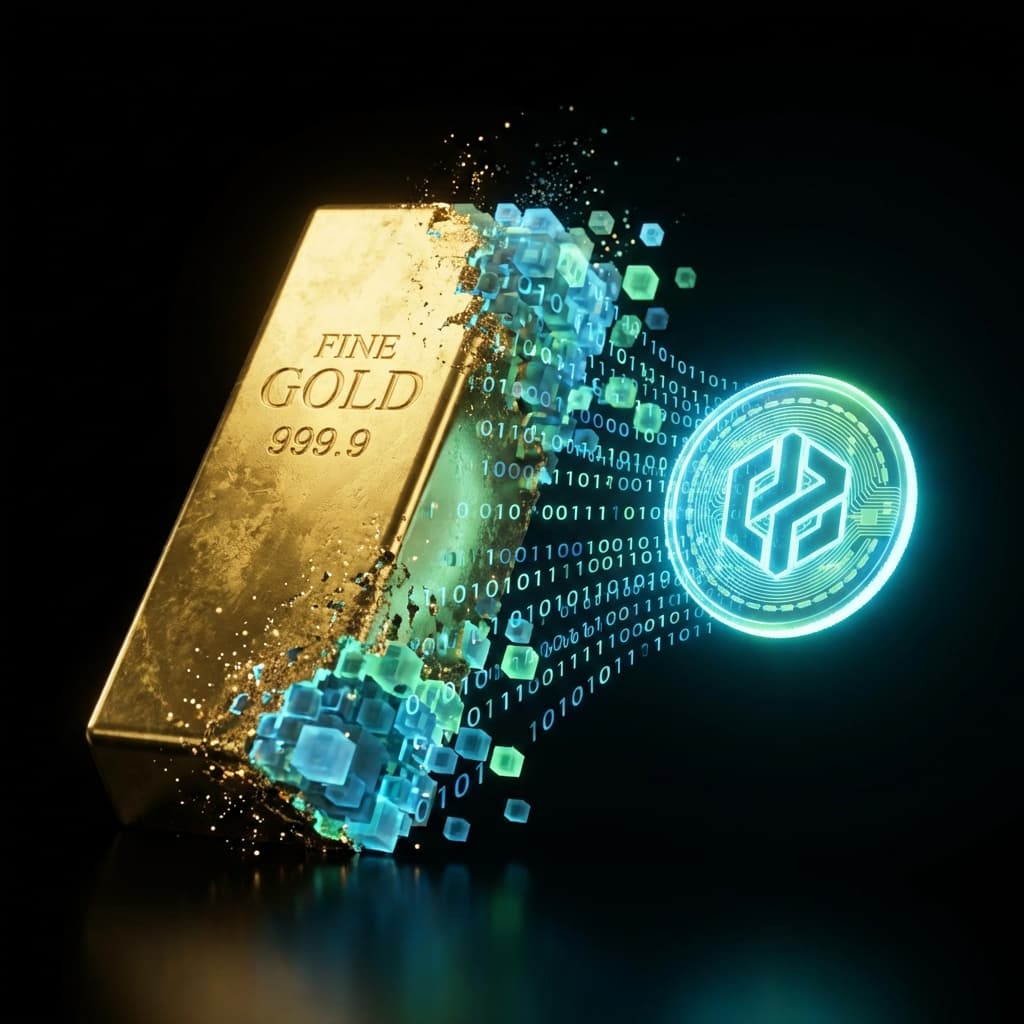
3. Technical Implementation: The Compliance Standard
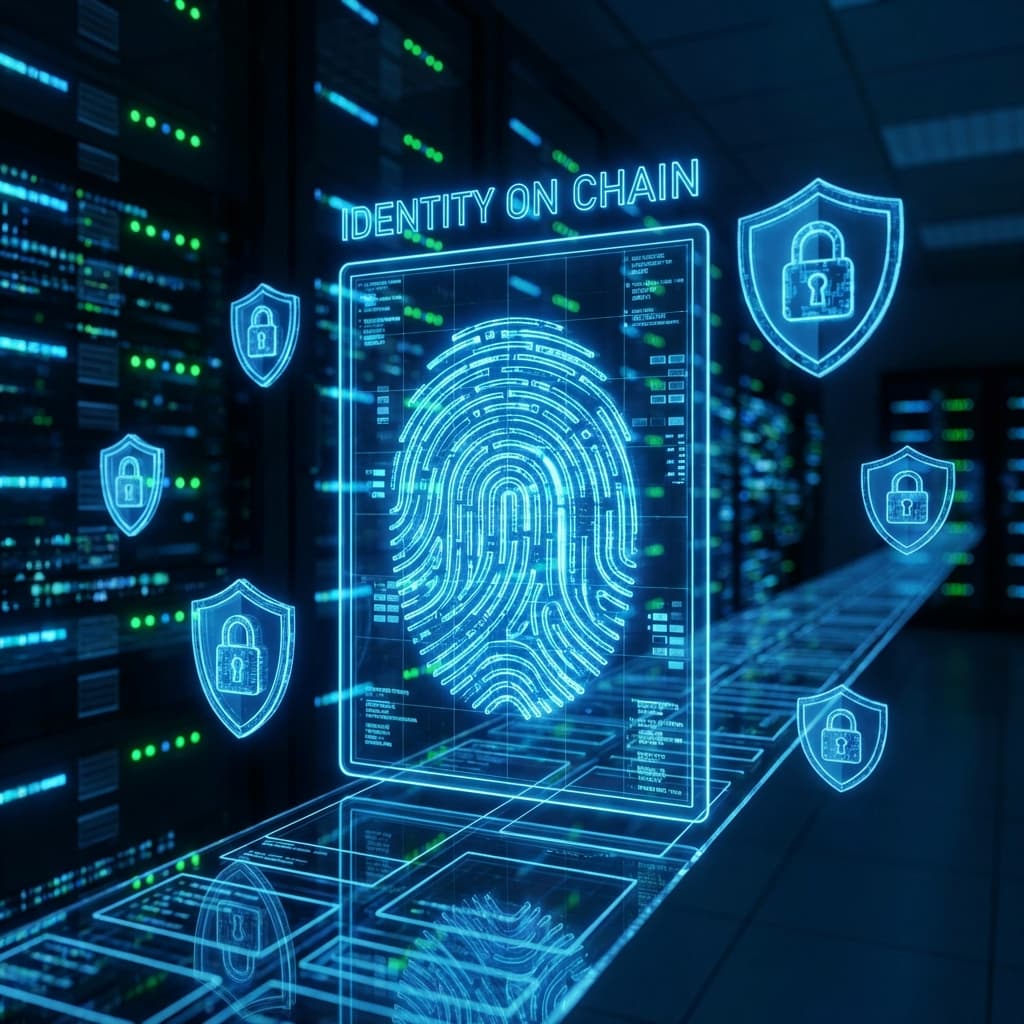
Institutional RWA is impossible without Identity. You cannot send a tokenized security to a sanctioned wallet. This is solved via ERC-3643 (T-Rex Protocol) and similar "Permissioned Token" standards.
3.1 How it Works
- Whitelist: A user must pass KYC (Know Your Customer) to have their wallet address whitelisted.
- Transfer Check: Every time the token
transfer()function is called, the smart contract checks theIdentityRegistry. - Block: If the receiver is not whitelisted, the transaction reverts.
4. Challenges & Risks: Fragmentation
The biggest risk in 2026 is Liquidity Fragmentation. If BlackRock tokenizes on Ethereum, and Franklin Templeton on Stellar, and Hamilton Lane on Polygon, the market is fractured. Chainlink CCIP (Cross-Chain Interoperability Protocol) has emerged as the critical "glue," allowing RWA tokens to move seamlessly between banking chains and public DeFi chains without wrapping risks.
5. Future Outlook: The "Collateralization" of Everything
The endgame of RWA is not just buying assets; it's using them. By late 2026, we expect Unified Collateral Pools where you can post your tokenized House, your Apple Stock, and your Bitcoin into a single vault to borrow against them instantly. This unlocks trillions in "dead capital."
6. FAQ: RWA Investing
1. Can I buy tokenized BlackRock funds? Generally, only if you are an Accredited Investor (Qualified Purchaser). However, platforms like Ondo offer "wrapped" versions for retail users in certain jurisdictions.
2. Is RWA safe? It carries both Smart Contract risk and Legal risk (e.g., if the issuer goes bankrupt). It is not "trustless" like Bitcoin.
3. Why use blockchain for stocks? Instant settlement (T+0) vs T+2 days, 24/7 trading, and global programmability.
4. What is the "Liquidity Bridge"? The mechanism allowing Real-World Assets to flow into DeFi protocols (like Aave or Maker) to generate yield or be used as collateral.
5. How does TradingMaster use RWA? We integrate RWA price feeds into our analytics, allowing you to correlate crypto movements with real-time Treasury yield and Corporate Bond data.

Related Articles
Bitcoin ETF Flows Analysis 2026: The Wall Street Takeover
BlackRock now owns 8% of all Bitcoin. We analyze the daily inflows of IBIT and FBTC to predict the next supply crunch.
CBDC Rollout Schedule 2026: The Global Impact
The Digital Euro is live. The Digital Dollar is in pilot. Track the global rollout of Central Bank Digital Currencies and what it means for privacy.
Institutional Custody Solutions 2026: Fireblocks vs. Copper
Hedge funds don't use MetaMask. They use MPC (Multi-Party Computation). We compare the top custody providers securing the industry's billions.