


CBDC Rollout Schedule 2026: The Global Impact
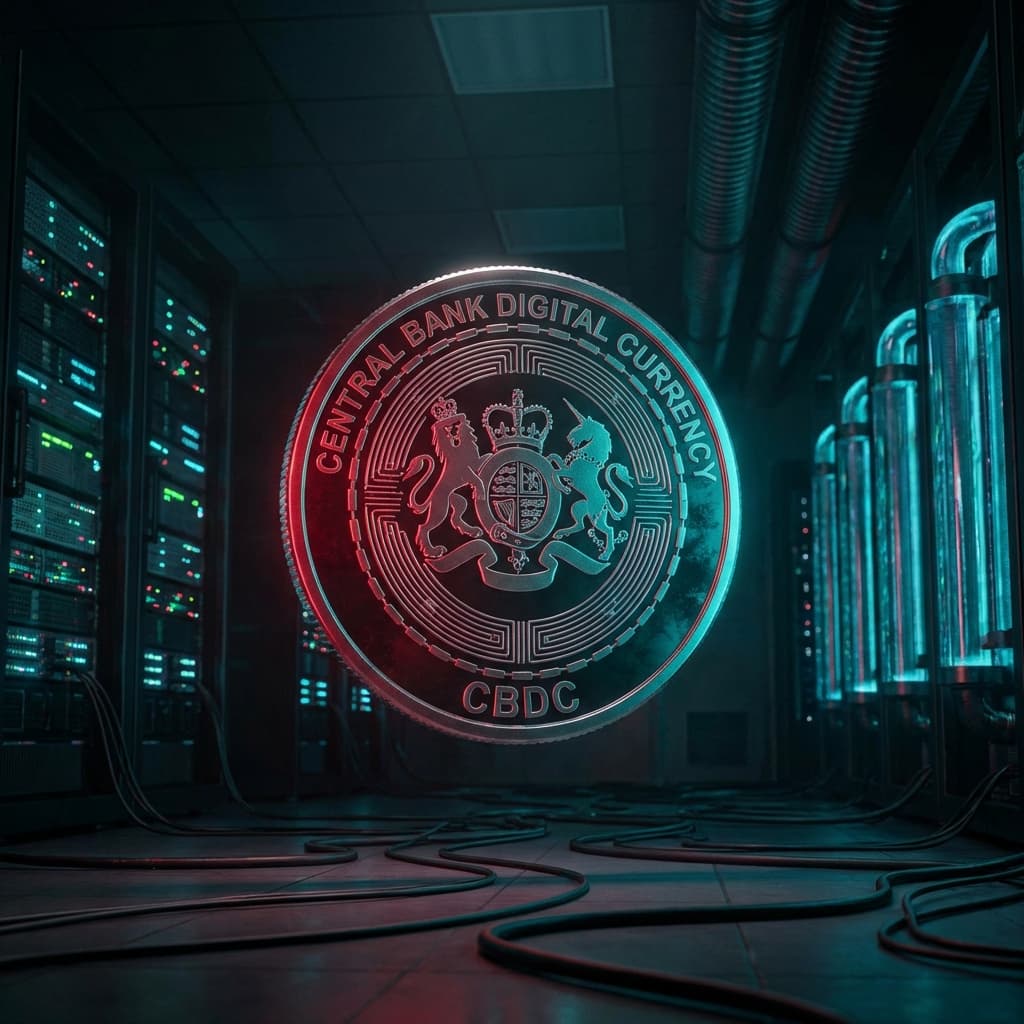
Executive Summary: Money is being nationalized. By the end of 2026, 90% of global GDP will be transacted via Central Bank Digital Currencies (CBDCs). While promised as a tool for financial inclusion, they pose significant risks to privacy and the existing commercial banking model. This report details the verified timelines for the Fed, ECB, and PBoC.
1. Introduction: Programmable Money
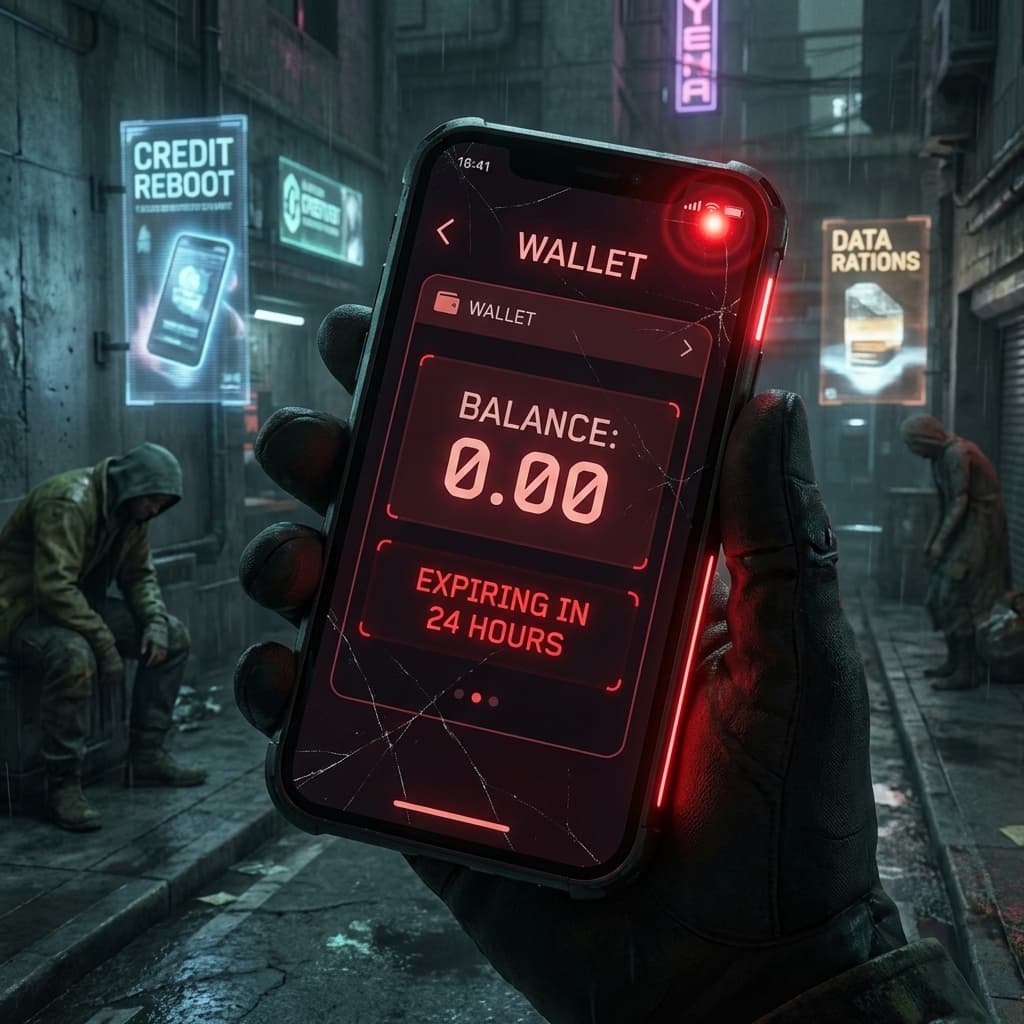
Physical cash is anonymous. Digital Bank money is surveilled but private from the government (mostly). CBDC is programmable money directly controlled by the State. If the Fed wants to stimulate the economy, they can airdrop $1,000 to your wallet with an expiration date: "Spend this by Friday or it vanishes." This is not sci-fi; this is the snippet code of the Digital Yuan.

2. Core Analysis: The Global Timeline
2.1 The Leaders
- China (e-CNY): Live. Used by 800M people. Integrated into WeChat.
- Eurozone (Digital Euro): Live (Phase 1). Launched Jan 2026. Capped at €3,000 holding per citizen to prevent bank runs.
- India (e-Rupee): Live. Focusing on wholesale interbank settlement.
2.2 The Laggards
- USA (Digital Dollar): Pilot. Project Cedar (Wholesale) is active. Retail CBDC is stalled in Congress due to privacy concerns (The "Anti-Surveillance State Act").
- UK (Britcoin): Delayed. Postponed to 2028 citing "Technical Complexity."

3. Technical Implementation: The Two-Tier Model
Central Banks realized they can't service 300M retail customers. So they adopted the Two-Tier Model.
- Tier 1 (Fed): Issues the token to Banks.
- Tier 2 (Chase/Wells Fargo): Distributes the token to You.
- Result: You still use your Chase App, but the underlying asset is no longer a "Chase Liability," it is a "Fed Liability."
4. Challenges & Risks: The Bank Run
If citizens can hold risk-free Fed Money, why would they hold money at Silicon Valley Bank (which might crash)? The Risk: In a crisis, everyone will swap Commercial Deposits -> CBDC instantly. This would bankrupt every commercial bank in seconds.
- The Fix: Holding Limits (e.g., Max €3,000 in CBDC wallet).
5. Future Outlook: The Orwellian Pivot
We predict that by 2027, "Carbon Credits" will be integrated into CBDCs. Buying a steak? Your wallet might block the transaction because you exceeded your carbon allowance for the month. This "Social Credit" aspect is the primary driver for Bitcoin adoption as a "Permissionless Alternative."
6. FAQ: CBDCs
1. Can I opt out? For now, yes. Cash remains legal tender. But many shops in Sweden/China no longer accept cash.
2. Is it on Blockchain? Rarely. Most CBDCs use a Centralized Ledger (DLT-inspired but not a blockchain) because blockchains are too slow.
3. Does it replace Bitcoin? No. Bitcoin is "State-Free Money." CBDC is "State-Maximalist Money." They are polar opposites.
4. Will FedNow become a CBDC? FedNow is just a fast payment rail (like Zelle). It is not a new currency. But it lays the infrastructure for a future CBDC.
5. Is USDT a CBDC? No. USDT is a private liability (see Stablecoin Risks). A CBDC is a public liability.

Related Articles
Bitcoin ETF Flows Analysis 2026: The Wall Street Takeover
BlackRock now owns 8% of all Bitcoin. We analyze the daily inflows of IBIT and FBTC to predict the next supply crunch.
Institutional Custody Solutions 2026: Fireblocks vs. Copper
Hedge funds don't use MetaMask. They use MPC (Multi-Party Computation). We compare the top custody providers securing the industry's billions.
RWA Tokenization Platforms 2026: The New Capital Markets
The Tokenization Tsunami is here. Compare the top RWA platforms of 2026 (Securitize, Ondo, Centrifuge) and how they are bringing trillions on-chain.