


The 'Collaborator' Trap: Why You Should Never 'Test' a Friend's Bot
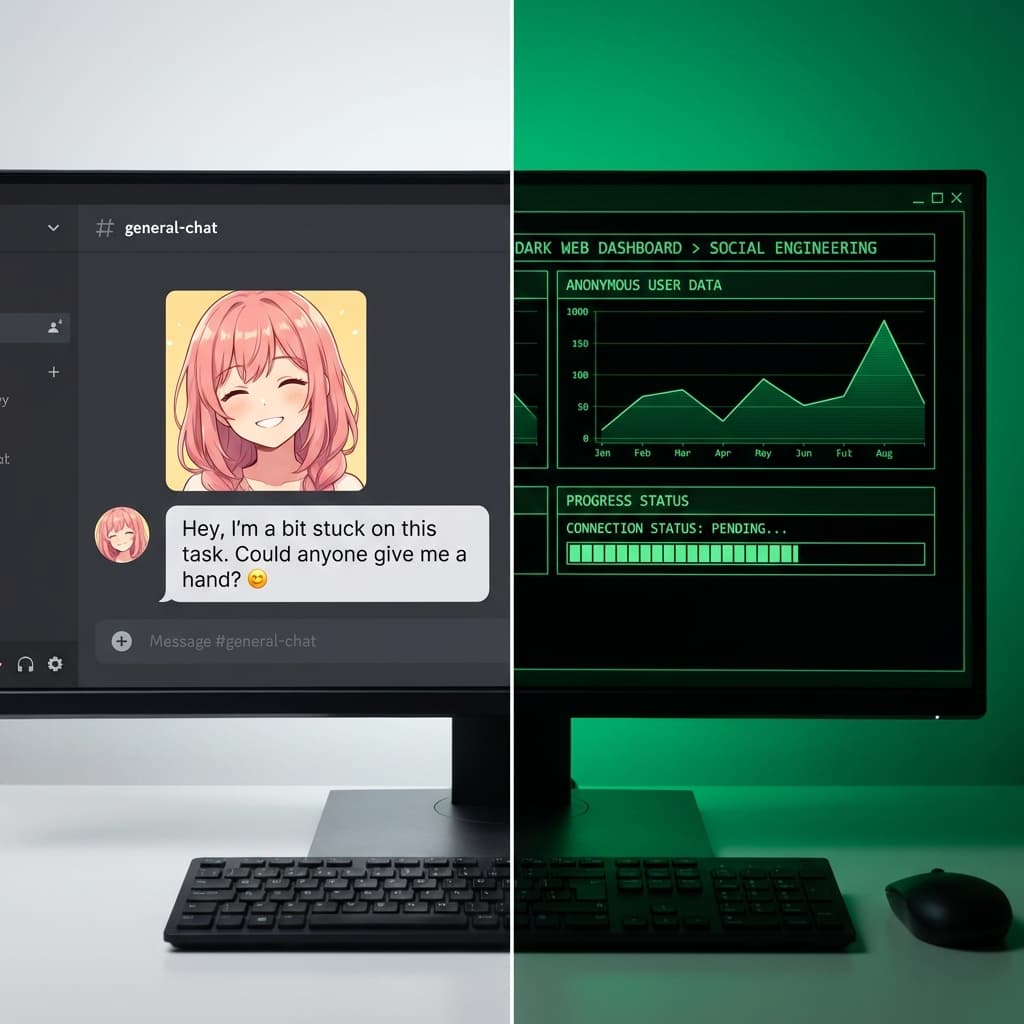
Executive Summary: Social engineering isn't just about fake jobs. It's about fake friendship. This article explores the "Help Me Fix This Bug" scam on Discord and Telegram, where attackers trick developers into cloning malicious repos under the guise of collaboration.
1. The Setup: "Can You Help Me With This Bug?"
You are in a Discord channel for a popular Web3 library (e.g., Ethers.js or Hardhat). A user sends a DM or posts in general chat:
"Hey dev, I'm building an arbitrage bot but I'm getting a weird gas error on Sepolia testnet. Can you take a look? I'm stuck."
They don't ask for money. They don't ask for your seed phrase. They appeal to your curiosity and your willingness to help.
They send a GitHub link. It looks like a standard hardhat project.
2. The Payload: The "Test" Script
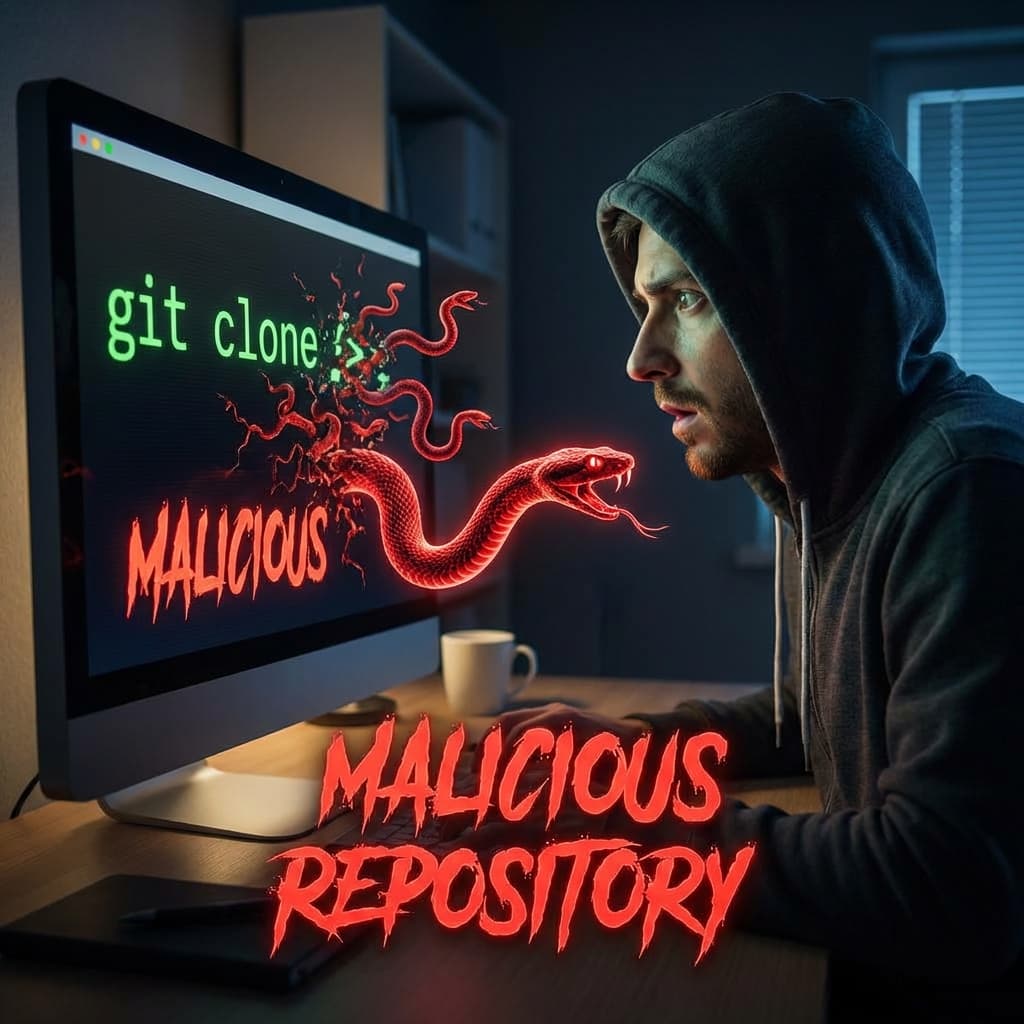
You clone the repo. You check the contracts/ folder. The Solidity code looks fine—maybe a bit messy, but safe.
The scammer says: "Just run the test script, you'll see the error."
You type:
npm install

npx hardhat test
Game Over.
While the test runs and prints a fake "Gas Error" to the console, a background process (hidden in a slightly modified dependency or a test.js file) has already:
- Scanned your
~/.configfolder. - Found your
browser_data(Chrome/Brave local state). - Decrypted your saved passwords and MetaMask vault.
- Uploaded the bundle to a remote server.
3. The "Game Tester" Variation
Another common variant targets gamers:
"I'm building a Web3 game (like Axie/Pixels) and need beta testers. I'll pay you $100 ETH just to play for 20 mins."
They send you an .exe or a Setup file.
The Scam: The game is real (often a stolen Unity template), but the installer drops a "Clipper" malware.
- Clipper Malware: It monitors your clipboard. When you copy a wallet address to make a transfer, it instantly swaps the address with the hacker's address. You unknowingly send funds to the attacker.

4. How to Spot the "Collaborator"
- The "Private" Repo: Legitimate open-source help happens on public issues, not private DMs or ZIP files.
- Obfuscated Code: If you see a file in the repo (like
lib/utils.js) that is one long line of random characters (var _0x5a1...), delete it immediately. - The "Urgency" to Run: If they get impatient when you say "I'm reading the code first," block them.
5. Defense Protocol: The Sandbox
Never "help" a stranger on your main machine.
- Use Replit / CodeSandbox: Import their repo into a cloud environment. If it contains malware, it infects the cloud container, not your PC.
- VM Isolation: As mentioned in our Contagious Interview guide, use a Virtual Machine for any code you didn't write yourself.
- Audit scripts: Always read
package.jsonscripts before runningnpm install.
See Also: Beware of "Get Rich Quick" bot tutorials on YouTube. They are often MEV Bot Scams in disguise.
Conclusion
In the open-source world, trust is earned, not given. A "buggy bot" is the oldest trick in the book. If someone needs help, ask them to post a CodeSnippet or a Gist—never clone a stranger's repo.

Related Articles
The Long Con: How 'Pig Butchering' Scams Steal Hearts and Wallets
It starts with a 'wrong number' text. It ends with you losing your retirement. Inside the psychological playbook of the 'Sha Zhu Pan' (Pig Butchering) scam.
Don't Trade Where You Play: The Case for a Dedicated Crypto Device
Your gaming PC is full of cracks. Your phone is full of trackers. Why spending $200 on a dedicated 'Banking Device' is the best insurance policy you can buy.
The Hidden Backdoor: Why You Must Revoke Permissions
You disconnected your wallet, but the hacker can still drain it. Learn how 'Unlimited Allowances' work and how to lock your digital backdoors.