
Crypto Trading Addiction: The Silent Crisis of 2026

Executive Summary: The 24/7 nature of crypto markets creates a perfect storm for behavioral addiction. In 2026, algorithmic dopamine loops and gamified exchanges have made 'chart addiction' a recognized mental health crisis. This guide separates passion from pathology and offers a recovery protocol for traders.
1. The Dopamine Casino
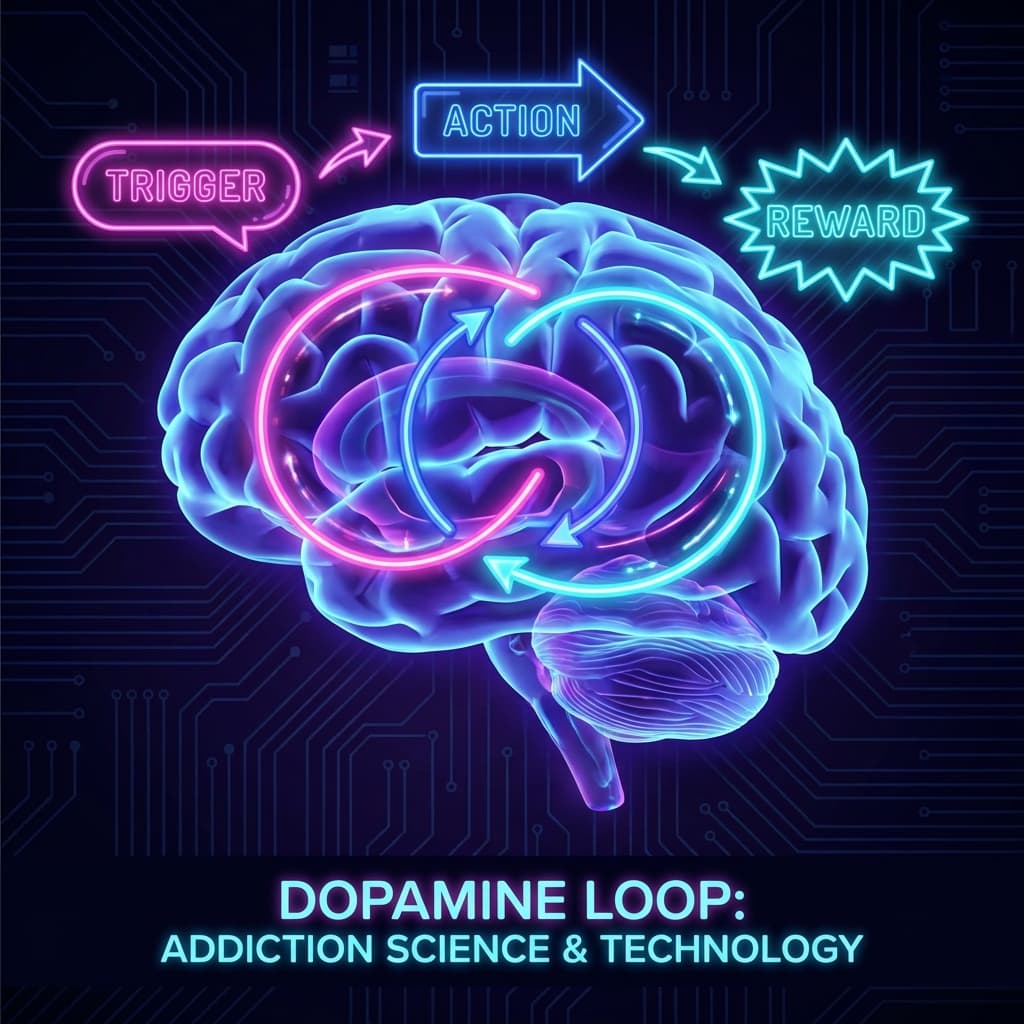
Unlike the stock market, crypto never closes. This 24/7 availability exploits the brain's reward system. Every green candle triggers a dopamine hit similar to gambling; every red candle triggers cortisol (stress). When you check your portfolio 50 times a day, you aren't "managing risk"—you are pulling the lever of a slot machine.
2. Signs of Trading Addiction
Are you a disciplined trader or an addict? In 2026, psychologists identify these red flags:
2.1 The "Phantom Notification"
You feel your phone vibrate with a price alert even when it hasn't. Your brain is hyper-sensitized to market stimuli.
2.2 Revenge Trading
After a loss, you feel a compulsive need to "win it back" immediately. This leads to larger position sizes and higher leverage—the classic gambler's ruin.
2.3 Neglect of Biology
Skipping sleep to watch the Asian market open? Eating at your desk? If your physical health is deteriorating for the sake of "alpha," your edge is already gone.
3. The Physiology of Stress
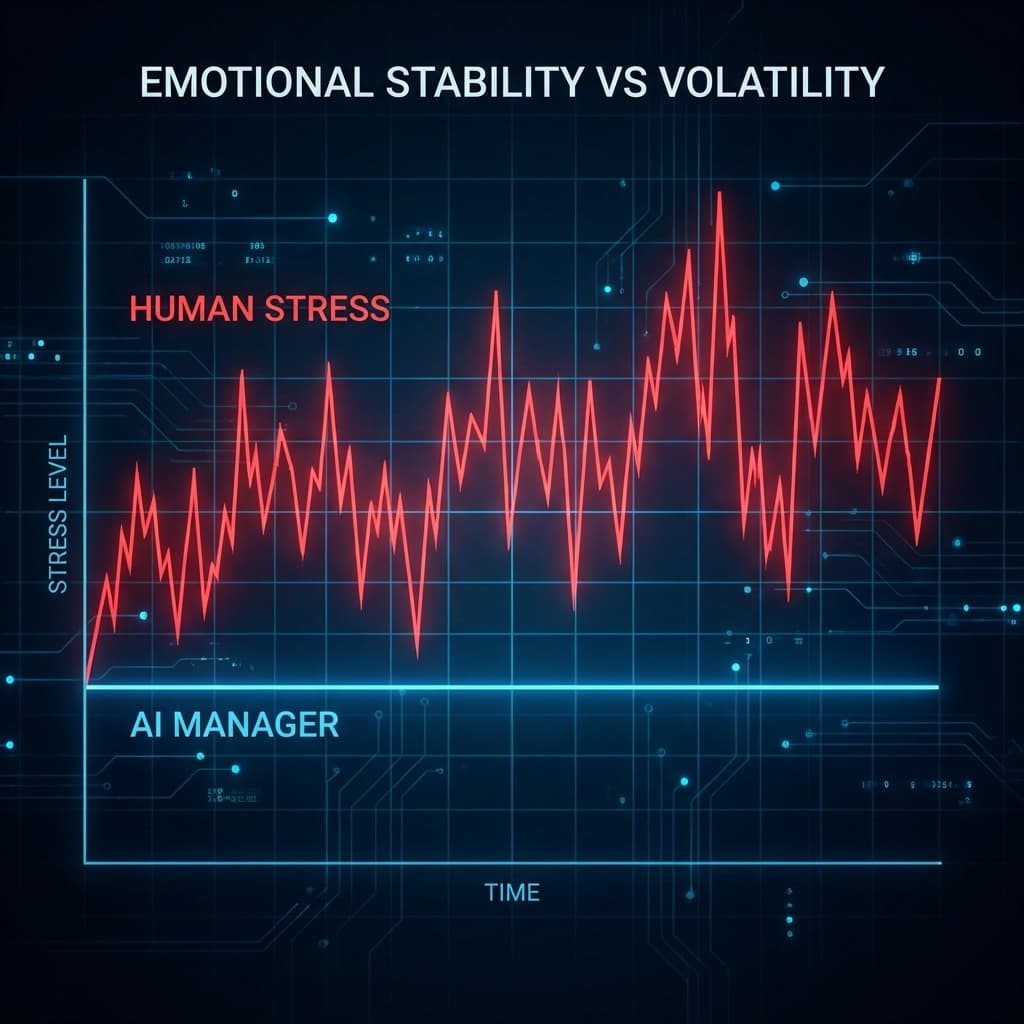
Chronic cortisol exposure shrinks the prefrontal cortex—the part of the brain responsible for logic and risk management.
- The Paradox: The more obsessed you become, the biologically worse you become at trading.
- The Result: Emotional decision making, panic selling, and FOMO buying.
4. The Recovery Protocol
4.1 The "Digital Detox" Kill Switch
Implement a hard stop on screen time.
- Rule: No charts 2 hours before bed.
- Tool: Use "Focus Mode" on your devices to block exchange apps after 8 PM.
4.2 Automation as Therapy
The most effective cure for trading anxiety is Automation. By delegating execution to an AI Agent or a Grid Bot, you remove the emotional burden of the "Buy" button.
- Manual Trading: "I hope price goes up." (Anxiety)
- AI Trading: "The bot will execute strategy A if price drops." (Plan)
4.3 Separation of Identity
You are not your PnL (Profit and Loss). A bad trade does not make you a bad person. In 2026, successful traders view losses as "operating expenses," not personal failures.
5. Conclusion: Wealth requires Health
There is no point in having a portfolio worth millions if you burn out before you can enjoy it. The ultimate hedge is your own mental stability. Step 1: Close the charts. Step 2: Go outside. Step 3: Let the TradingMaster AI watch the markets for you.

Related Articles
AI-Powered Explainable Risk Management: Beyond VaR
The Black Box era is over. In 2026, Institutional Risk Management demands Explainable AI (XAI) to detect tail risks invisible to traditional VaR models.
DeFi Insurance Protocols 2026: Protecting Your Yield
Don't yield farm naked. In 2026, DeFi insurance is no longer optional. We review Nexus Mutual v4, Unslashed, and the rise of Parametric Covers.
Portfolio Correlation Matrix: The Lie of Diversification
Think you're diversified because you own 50 coins? Think again. In a crash, correlation hits 1.0. Learn how to build a true Delta Neutral portfolio.