
Neural Networks in Trading: Beyond the Hype
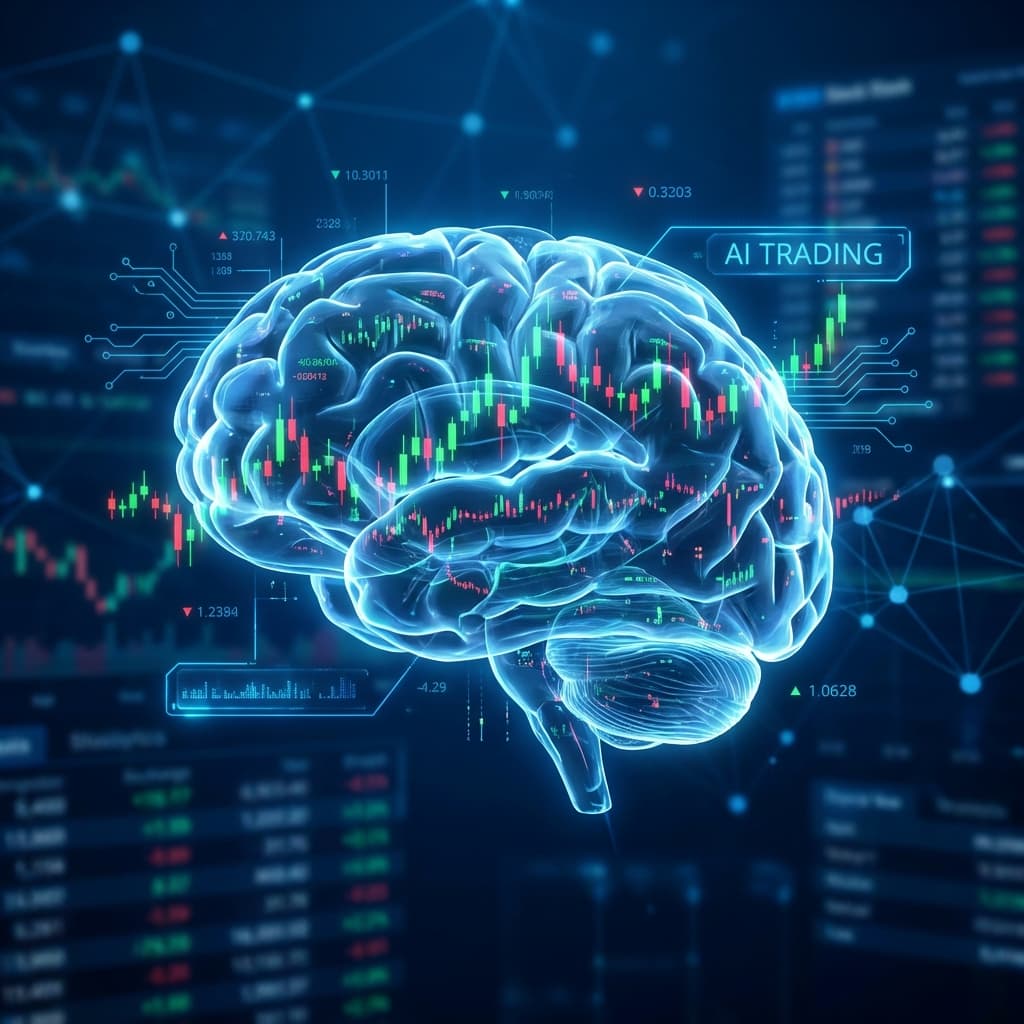
Artificial Intelligence is reshaping the financial landscape, and at the forefront of this revolution are Neural Networks. Unlike traditional algorithms that follow linear rules, Neural Networks are designed to mimic the human brain, learning from vast amounts of data to identify complex, non-linear patterns.
The Limitation of Linear Models
Traditional trading strategies often rely on linear indicators like Moving Averages or RSI. While effective in trending markets, these tools often fail to capture the chaotic nature of financial data.
- Linear Regression: Assumes a straight-line relationship.
- Simple Logic: "If Price > MA(50), Buy."
Markets, however, are rarely simple. They are influenced by thousands of variables simultaneously.
How Neural Networks "See" the Market
Neural Networks, specifically Deep Learning models, consist of multiple layers of nodes (neurons).
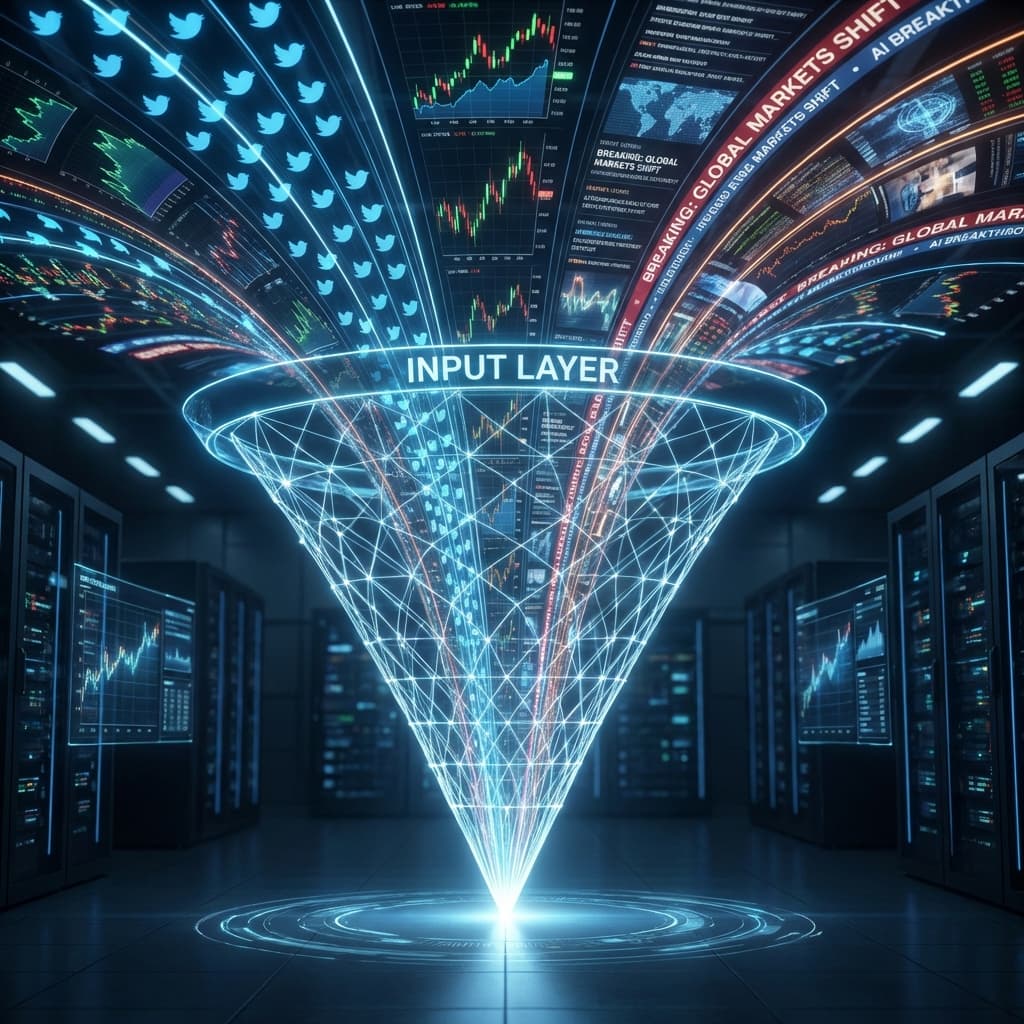
1. Input Layer
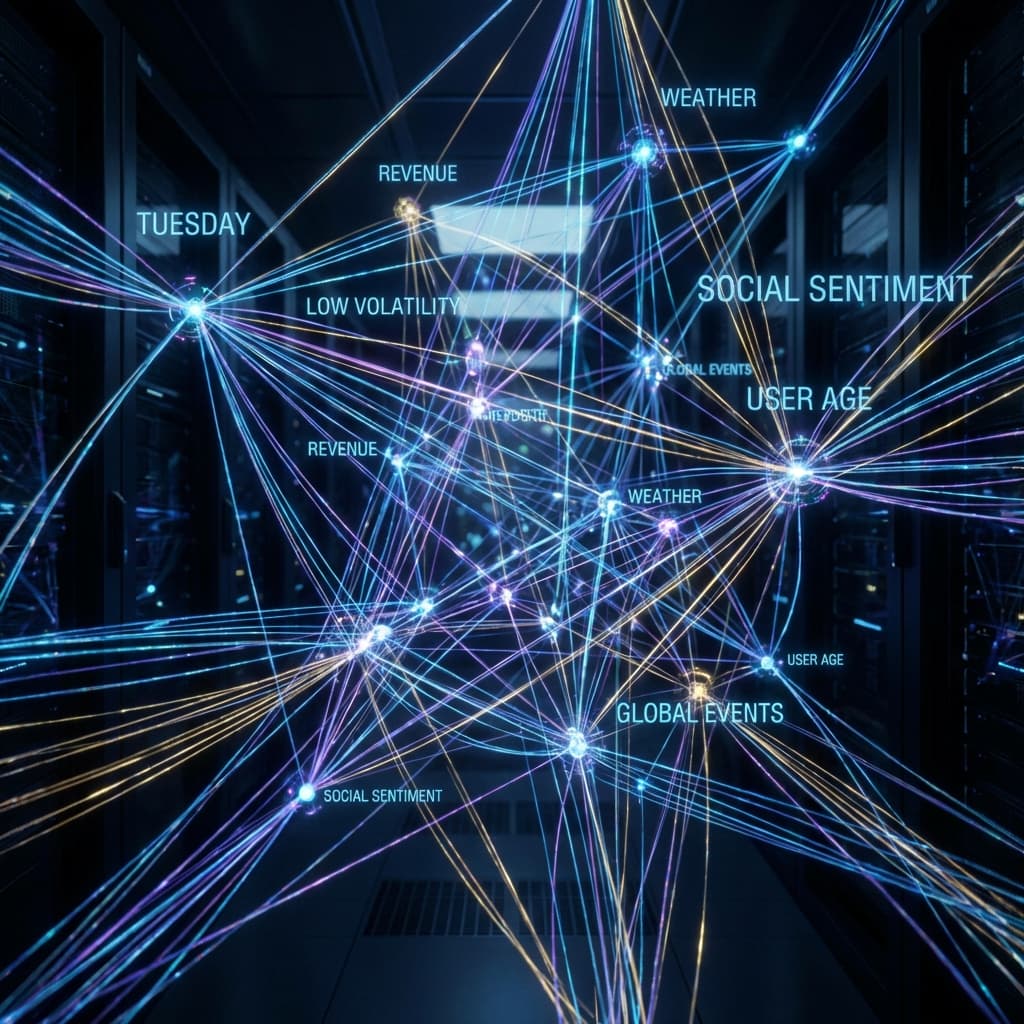
This is where raw data enters: price, volume, volatility, and even sentiment analysis.
2. Hidden Layers
The magic happens here. The network processes interactions between variables. It might "learn" that high volume + low volatility predicts a breakout, but only on Tuesdays.
3. Output Layer
The final prediction: Buy, Sell, or Hold, often accompanied by a confidence score.
Real-World Application
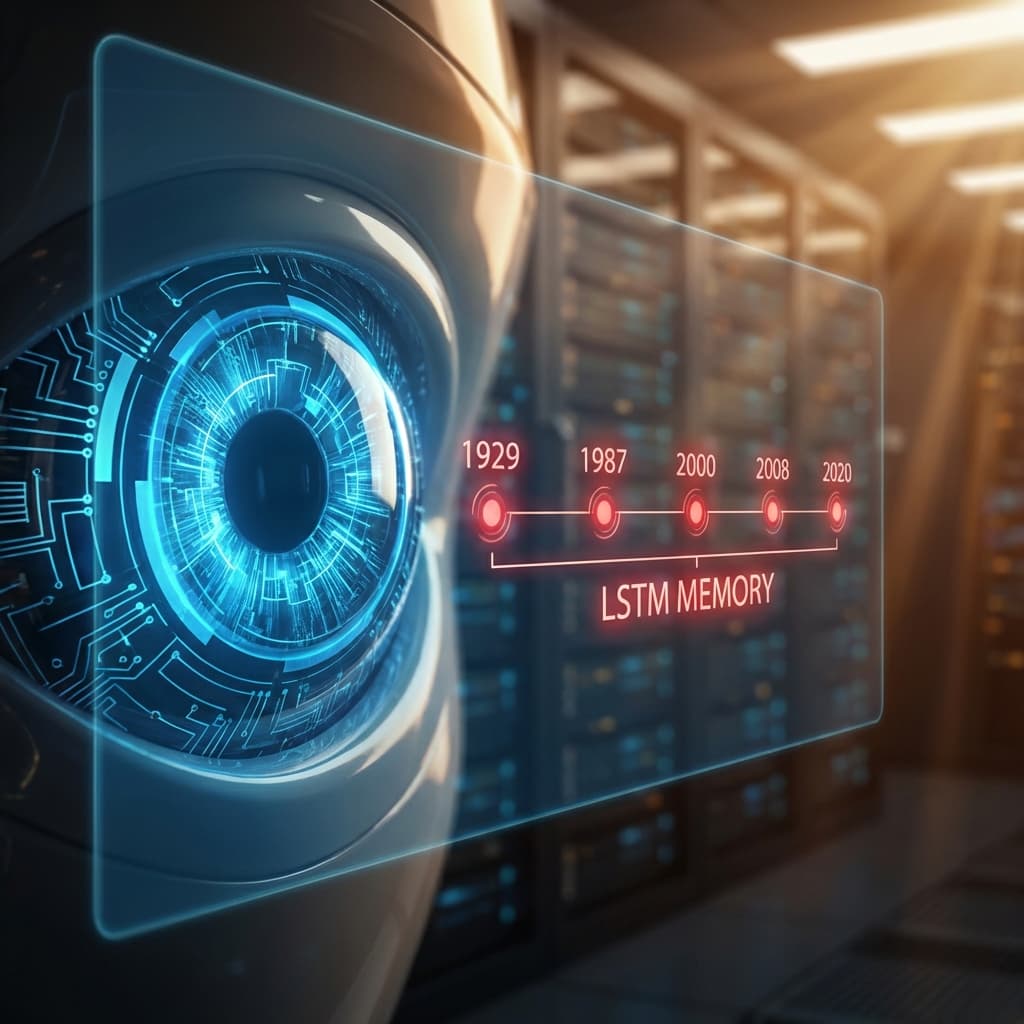
At TradingMaster AI, we utilize LSTM (Long Short-Term Memory) networks, a type of RNN specialized for time-series data. This allows our bots to remember past market shocks and adapt accordingly.
"The true power of AI is not in predicting the future with certainty, but in calculating probabilities better than any human can."
Getting Started
You don't need a PhD in Data Science to use these tools. Our platform abstracts the complexity. Check out our ML Features to see how you can deploy these models today.

Related Articles
Agentic AI Trading Bots 2026: The Rise of Autonomous Finance
From chatbots to autonomous agents. Discover how 2026's Agentic AI is rewriting the rules of algorithmic trading, risk management, and regulatory compliance.
AI Sentiment Analysis: Decoding Crypto Twitter 2026
Charts lie. Twitter doesn't. Learn how AI bots scrape millions of tweets to detect FOMO and FUD before the candles move.
Neuromorphic Computing: The Future of Trading Bots 2026
GPUs are power hungry. Neuromorphic chips (like Intel Loihi 3) mimic the human brain, allowing trading bots to run with 1000x less energy.