
Transformer Models for Price Prediction: Beyond LSTM

Executive Summary: For years, Long Short-Term Memory (LSTM) networks were the gold standard for time-series forecasting. But they had a flaw: they forgot data from 100 steps ago. Enter the Transformer. Originally built for language (ChatGPT), it turns out "Self-Attention" is perfect for understanding market cycles.
1. Introduction: Attention is All You Need (For Alpha)
Markets are a language.
- Words = Price Ticks.
- Sentences = Daily Candles.
- Paragraphs = Market Cycles.
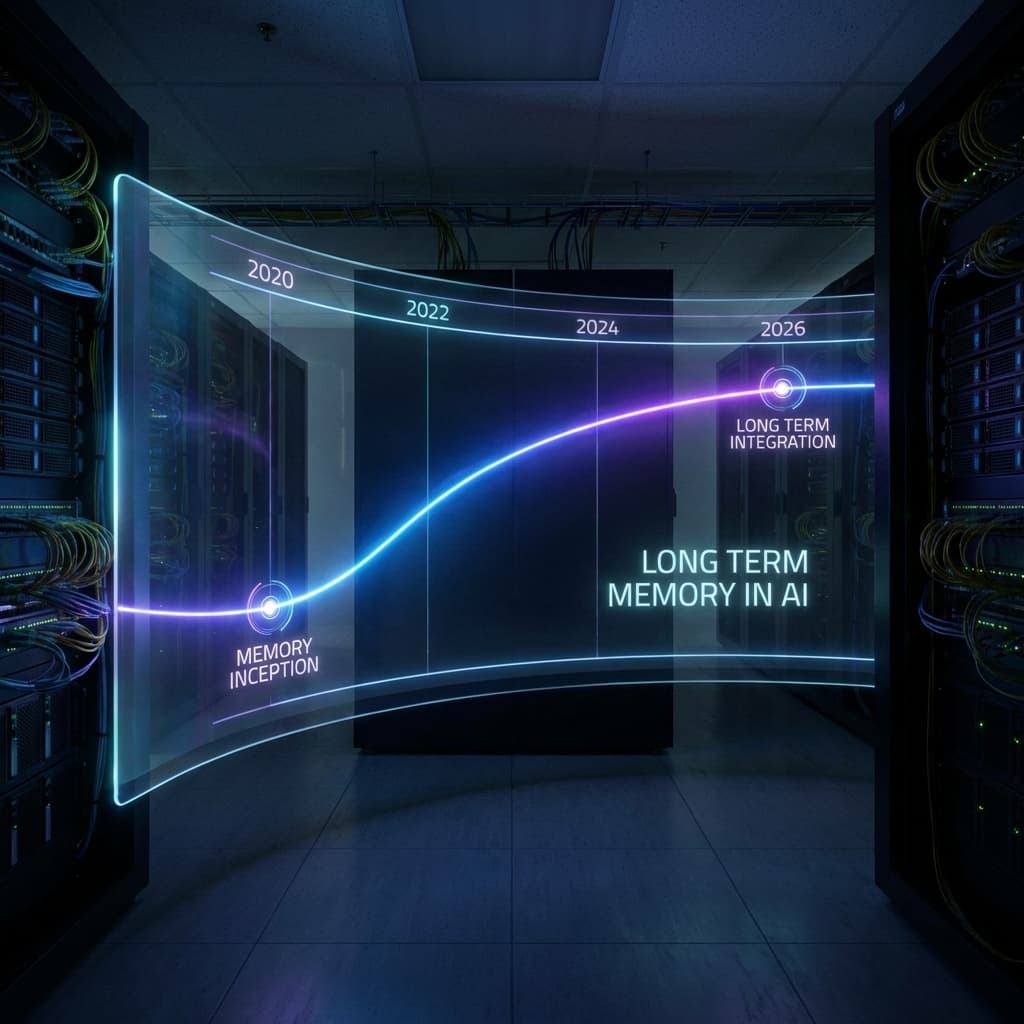
LSTMs read this language word-by-word, forgetting the beginning of the sentence by the time they reach the end. Transformers read the entire history at once, allowing them to spot correlations between the 2026 crash and the 2020 crash instantly.
2. Core Analysis: The Attention Mechanism
2.1 How it Works
The "Self-Attention" mechanism assigns a weight to every past candle.
- Scenario: Bitcoin drops 5%.
- LSTM: Only looks at the last 10 candles.
- Transformer: "This drop looks exactly like the Liquidation Cascade of May 2021. I will weight those events heavily."
2.2 Temporal Fusion Transformers (TFT)
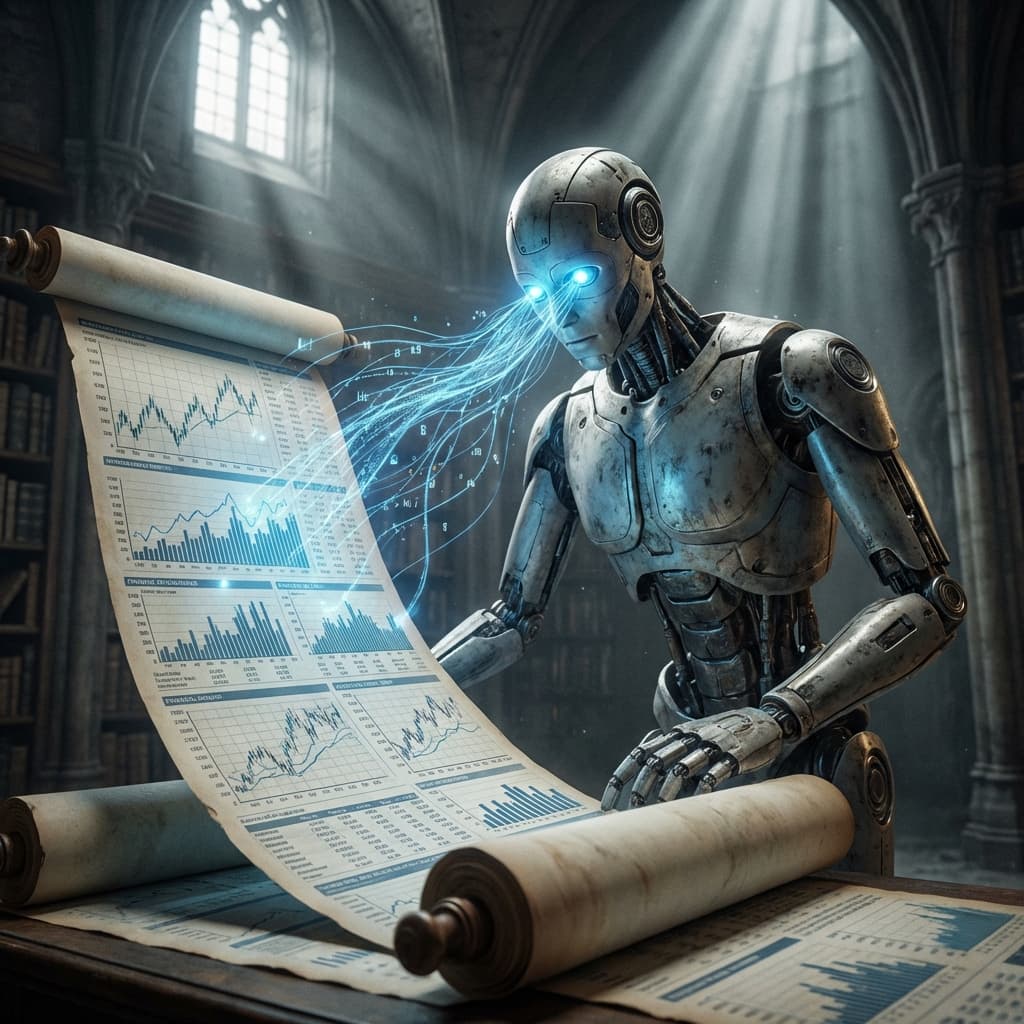
Google's TFT architecture is the 2026 status quo. It combines:
- Static Covariates: Metadata that doesn't change (e.g., "This is an AI Coin").
- Known Future Inputs: Dates of FOMC meetings or Halvings.
- Observed Inputs: Price and Volume.
This allows the model to predict not just what will happen, but why (Interpretability).
3. Technical Implementation: PyTorch Forecasting
We use the pytorch-forecasting library.
# 2026 Temporal Fusion Transformer Setup
from pytorch_forecasting import TemporalFusionTransformer, TimeSeriesDataSet

# Define the Dataset
training = TimeSeriesDataSet(
    data,
    time_idx="time_idx",
    target="price",
    group_ids=["symbol"],
    min_encoder_length=24,  # Look back 24 hours
    max_encoder_length=168, # Look back 7 days
    min_prediction_length=1,
    max_prediction_length=24, # Predict next 24 hours
    static_categoricals=["symbol"],
    time_varying_known_reals=["hour_of_day", "day_of_week"],
    time_varying_unknown_reals=["price", "volume"],
)

# Initialize TFT
tft = TemporalFusionTransformer.from_dataset(
    training,
    learning_rate=0.03,
    hidden_size=16,
    attention_head_size=4,
    dropout=0.1,
    hidden_continuous_size=8,
    output_size=7,  # 7 quantiles for probabilistic forecast
    loss=QuantileLoss(),
)
4. Challenges & Risks: The "Look-Ahead Bias"
The most common error in Transformer training is Look-Ahead Bias. If you unwittingly feed "Tomorrow's Open Price" as a feature for "Tomorrow's Close Price," the model will have 99% accuracy in training and 0% in production.
- Fix: Strict masking of future data in the DataSaver pipeline.
5. Future Outlook: Foundation Models for Finance
Just as GPT-4 is a Foundation Model for text, we are seeing the rise of FinGPT—models trained on every financial asset in history. You don't train them; you just fine-tune them (LoRA) on your specific asset (e.g., Dogecoin).
6. FAQ: Transformers
1. Is it better than XGBoost? For complex, multi-variable problems with long memory? Yes. For simple tabular data? XGBoost is still faster and competitive.
2. How much data do I need? Transformers are data-hungry. You need at least 100,000 rows of data (5-minute candles for 2 years) to get good results.
3. Can it predict Black Swans? No model can predict a Black Swan (by definition). But Transformers adapt faster to new regimes than LSTMs.
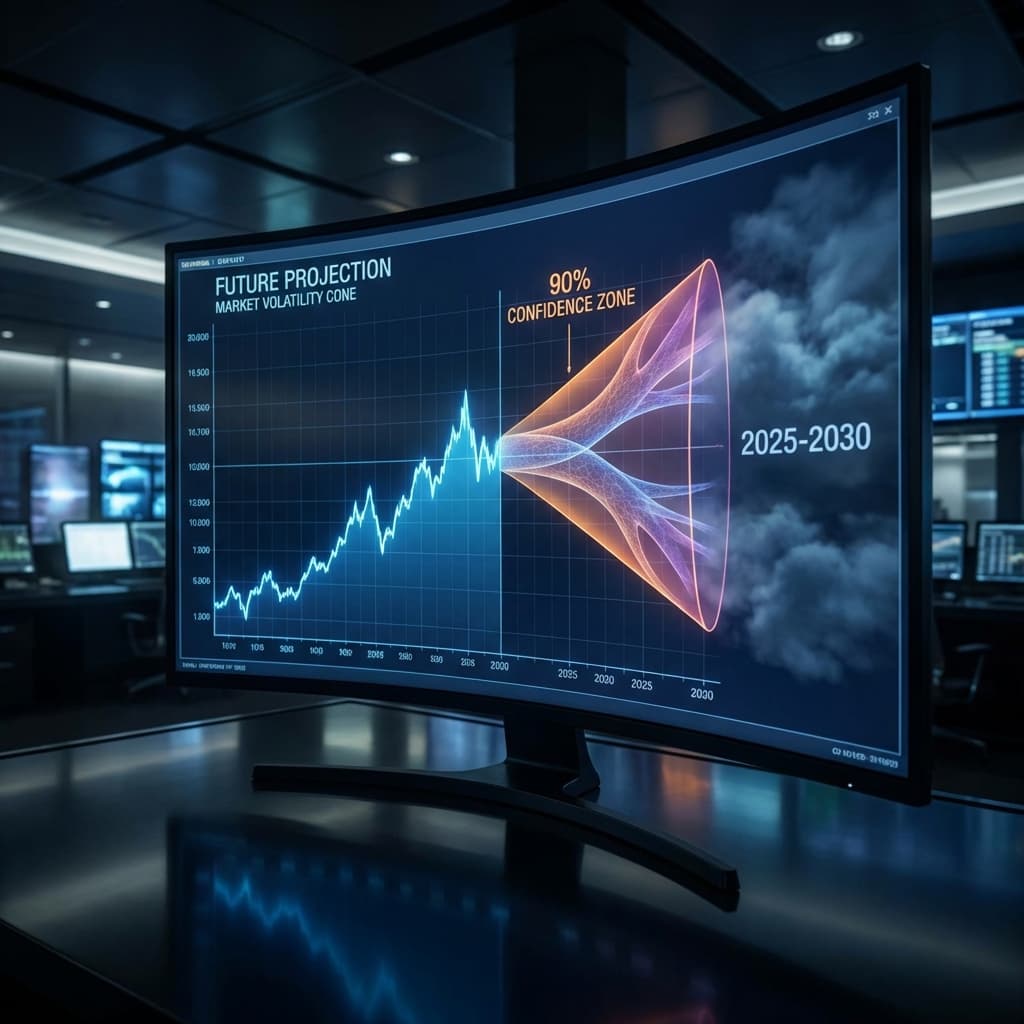
4. What is "Probabilistic Forecasting"? Instead of saying "BTC will be $100k," the TFT says "There is a 90% chance BTC will be between $98k and $102k." This is crucial for Risk Management.
5. Do I need a GPU? Yes. Training a Transformer on CPU is painfully slow.

Povezani članci
Agentni AI Trgovinski Botovi 2026: Uspon Autonomnih Financija
Od chatbota do autonomnih agenata. Otkrijte kako Agentni AI 2026. godine prepisuje pravila algoritamskog trgovanja i upravljanja rizikom.
AI Analiza Sentiment: Dekodiranje Crypto Twittera 2026
Grafikoni lažu. Twitter ne. Saznajte kako AI botovi prikupljaju milijune tweetova kako bi otkrili FOMO i FUD prije nego što se svijeće pomaknu.
Neuromorfno računalstvo: Budućnost botova za trgovanje 2026
GPU-ovi su gladni energije. Neuromorfni čipovi (poput Intel Loihi 3) oponašaju ljudski mozak, omogućujući botovima za trgovanje da rade sa 1000x manje energije.