
Institutional Custody Solutions 2026: Fireblocks vs. Copper
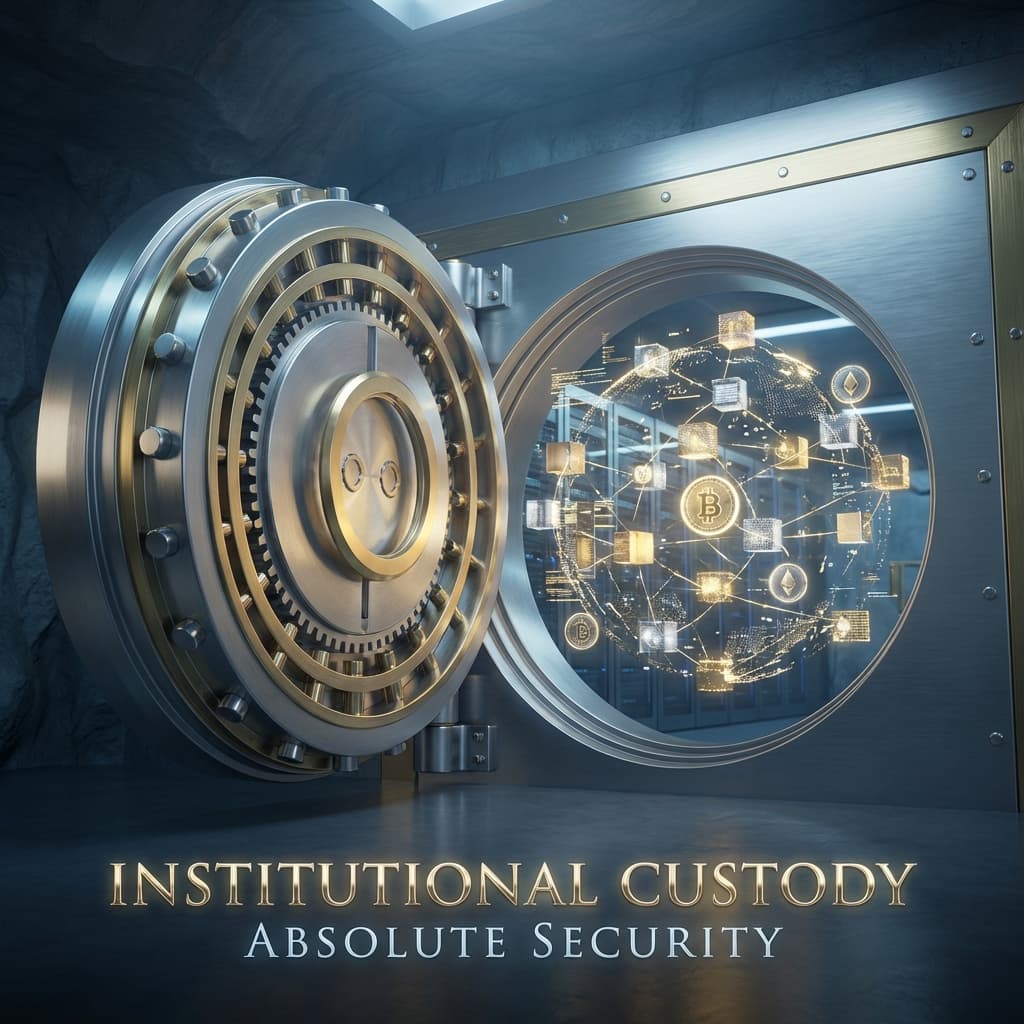
Executive Summary: When you manage $1 Billion in client assets, a "Ledger Nano S" is not enough. You need insurance, audit trails, and policy engines. This report compares the two giants of Institutional Custody: Fireblocks (MPC) and Copper (Walled Garden).
1. Introduction: The "Private Key" Problem
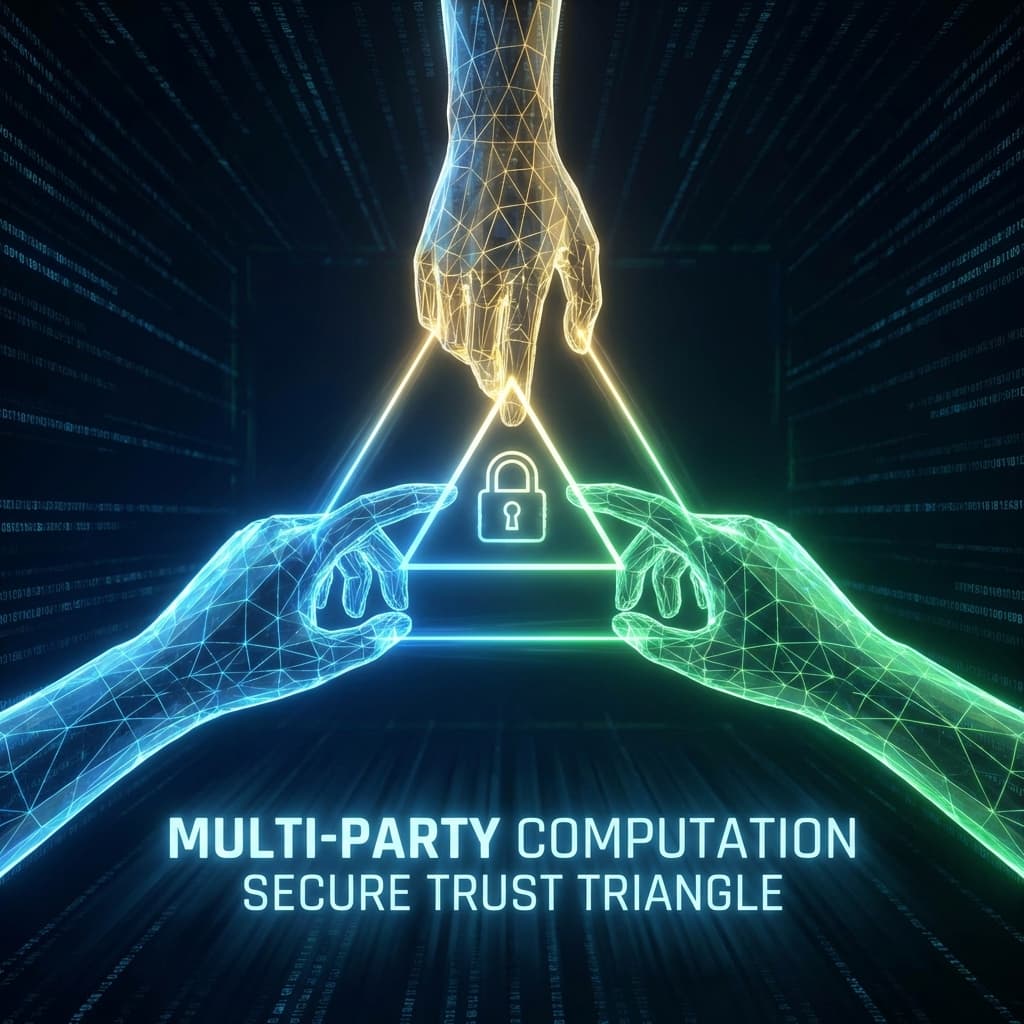
In retail crypto, "Not your keys, not your coins." In institutional crypto, "If you have a single key, you have a single point of failure." Institutions use MPC (Multi-Party Computation), where the private key is split into 3 shards. No single person (not even the CEO) can sign a transaction alone.

2. Core Analysis: The Contenders
2.1 Fireblocks (The Market Leader)
- Tech: MPC-CMP (proprietary fast signing).
- Network: The "Fireblocks Network" allows clients to transfer assets to each other instantly (Off-Chain Settlement) without gas fees.
- Best For: Market Makers, Exchanges.
2.2 Copper (The Challenger)
- Tech: ClearLoop.
- Unique Selling Point: Copper connects directly to exchanges (Binance/Bybit). You keep your funds in Copper custody, but you can trade on Binance. This removes "Counterparty Risk" (if Binance goes bust, your funds are safe in Copper).
- Best For: Arbitrage Funds.
2.3 The 2026 Comparison Matrix
| Feature | Fireblocks | Copper | Coinbase Prime |
|---|---|---|---|
| Technology | MPC | MPC | Cold Storage + MPC |
| Insurance | $30M per wallet | $500M Policy | $1B Policy |
| DeFi Access | Direct (WalletConnect) | Walled Garden | Restricted |
| Cost | $5k/month + AUM fee | AUM fee only | High Fees |
3. Technical Implementation: The Policy Engine
The real value of these platforms is the Policy Engine (Governance).
# Fireblocks Transaction Policy Example
rules:
  - name: "Transfer < $10k"
    asset: "*"
    from: "Trading Wallet"
    to: "Whitelisted Exchanges"
    approvers: [ "Trader_Junior" ]

  - name: "Transfer > $1M"
    asset: "USDC"
    approvers: [ "CFO", "Compliance_Officer" ]
    quorum: 2
4. Challenges & Risks: Insider Threat
MPC prevents external hacks. It does not prevent 3 bad actors inside the company from colluding.
- Solution: Third-Party Key Shard. One key shard is held by a law firm or cloud provider (AWS Nitro), meaning the company cannot sign a transaction without external verification.
5. Future Outlook: Decentralized Custody
Safe (formerly Gnosis Safe) is evolving into an institutional product. By 2027, many DAOs will move from Fireblocks (Centralized MPC) to Safe {Enterprise} (On-Chain Multisig) for transparency.
6. FAQ: Custody
1. Is Fireblocks a bank? No. It is a software provider. They do not hold your assets; they provide the software for you to hold them.
2. What happens if Fireblocks goes down? You have a "Disaster Recovery Kit" (PDF) that allows you to reconstruct the private key using the 3 shards offline.
3. Why not use a Multisig (Gnosis)? Gas fees. Every signature on Gnosis costs ETH. MPC happens off-chain (math), so it's free. Additionally, MPC keeps the signing structure private; Multisig reveals who the signers are on-chain.
4. Can I use Fireblocks as an individual? No. Minimum contract is usually $5,000/month.
5. What is "Qualified Custodian"? A legal term (SEC). Registered Investment Advisors (RIAs) must keep client funds with a Qualified Custodian (like Coinbase or Anchorage), not just use software like Fireblocks.

Related Articles
Bitcoin ETF Flows Analysis 2026: The Wall Street Takeover
BlackRock now owns 8% of all Bitcoin. We analyze the daily inflows of IBIT and FBTC to predict the next supply crunch.
CBDC Rollout Schedule 2026: The Global Impact
The Digital Euro is live. The Digital Dollar is in pilot. Track the global rollout of Central Bank Digital Currencies and what it means for privacy.
RWA Tokenization Platforms 2026: The New Capital Markets
The Tokenization Tsunami is here. Compare the top RWA platforms of 2026 (Securitize, Ondo, Centrifuge) and how they are bringing trillions on-chain.